Founders' Food Revealed
Uncover the Culinary Secrets: What America's Founders Really Ate in 1776
Anonymous
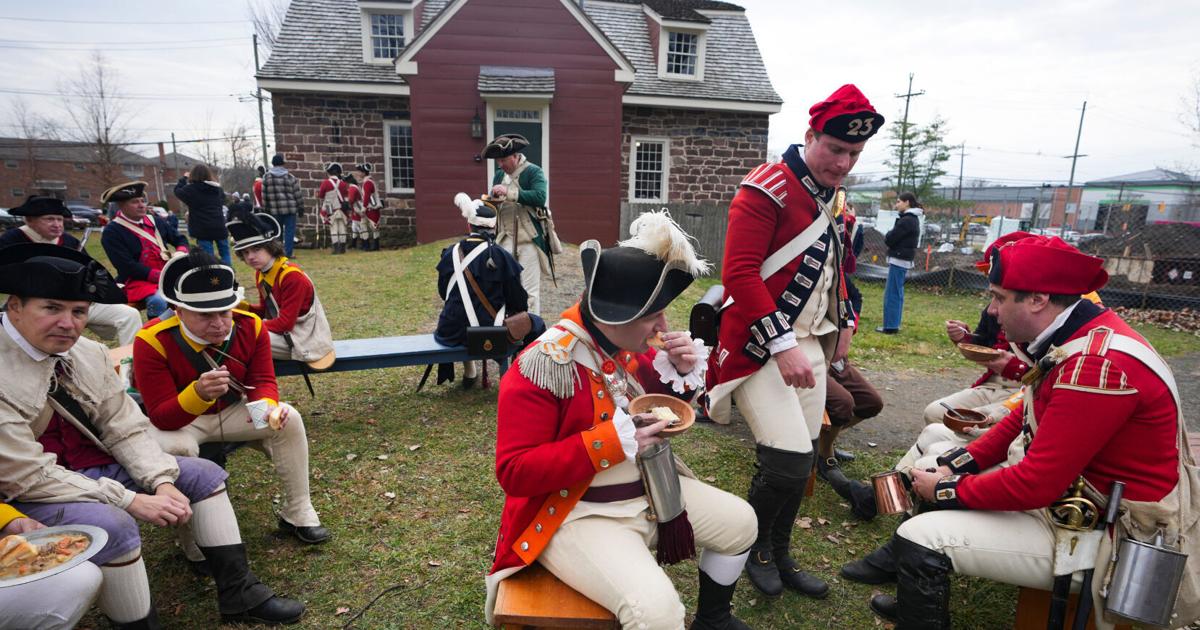
You don't storm a battlefield or sign a declaration on an empty stomach. According to WCF Courier, the founders of America ate a surprisingly varied — and sometimes exotic — diet, from giant sea turtles to homemade meat pies. And yes, mac and cheese was already on the table.
As the United States marks its 250th birthday, food historians are taking a closer look at what ended up on the plates of colonial Americans. The picture is both familiar and strange — comfort food mixed with dishes that would make most modern diners pause.
Colonial American Food Was Blander Than You Think
Most Americans in 1776 ate simple, repetitive meals. Charles Ludington, a former associate professor of food studies at New York University and author of several books on food history, described the everyday American diet of the era as bland. Helena Air reports that British visitors to the colonies often complained about the food they were served.
Corn was a staple. So were salt pork, dried beans, and root vegetables. Bread was common, but spices were rare and expensive. Most families ate whatever grew nearby or could be stored through a long winter. Variety was a luxury most colonists could not afford.
Turtle Soup Was the Caviar of the Founding Era
For wealthier colonists and the founders themselves, the table looked very different. Turtle soup was considered a delicacy — the dish of the elite. Large sea turtles were caught and shipped live to cities like Philadelphia and New York, where they were served at fancy dinners and taverns. It was the 18th-century version of a luxury appetizer.
Meat pies were another staple at grander tables. They could be filled with beef, pork, game birds, or whatever was in season. These pies were hearty, filling, and impressive enough to serve to guests. Founding-era dinner parties were as much about showing wealth as feeding people.
Mac and Cheese Has Deep American Roots
Mac and cheese may feel like a modern comfort food, but it has an old pedigree. Press of Atlantic City reports that macaroni started as an Italian dish, made its way to England, and then crossed the Atlantic. By the time of the Revolution, it had already been adapted into an American version — baked with cheese and served at elegant dinners.
Thomas Jefferson is often credited with popularizing mac and cheese in America, though food historians say he likely encountered it in France and Italy during his time as a diplomat. Tucson.com notes that Jefferson served a pasta dish with cheese at the White House around 1802. Whether he invented it or just loved it, the dish stuck.
What the Founders Ate Shaped American Comfort Food
Many dishes eaten in 1776 became the building blocks of American cuisine. Cornbread, baked beans, roast meats, and simple fruit pies all trace back to the colonial table. The founders ate what was local, seasonal, and affordable — the same values that still shape home cooking today.
Food historians say understanding what people ate helps explain how they lived. A soldier at Valley Forge surviving on fire cake — a simple mix of flour and water — tells a different story than Jefferson hosting a lavish dinner party. Both were part of 1776. Both were America.
Sentiment
NeutralNEGATIVENEUTRALPOSITIVE
Publishers
8
Articles
7
Reach
8
Topics
A
AnonymousAuthor


