Jolivet's Case Reopened
Canada's Justice Minister Orders New Trial for Daniel Jolivet After 33 Years in Prison
Anonymous
Key Points
1
J Jolivet's conviction hinged largely on a single informant's testimony, a factor his defense—represented by Nicholas St-Jacques of Project Innocence Quebec—has disputed as unreliable.
2
The case has a lengthy appellate history, including the initial overturn of Jolivet's verdict on appeal and its subsequent reinstatement by the Supreme Court of Canada in 2000.
3
In October 2025, the Quebec Crown prosecutor’s office said there was reason to believe Jolivet did not receive a fair trial and that new information not presented at trial warranted reconsideration.
4
Since being granted bail, Jolivet has described the challenges of re-entering society, including experiences like his first trip to a corner store and sleeping on a king-size bed, illustrating tangible changes after decades in prison.
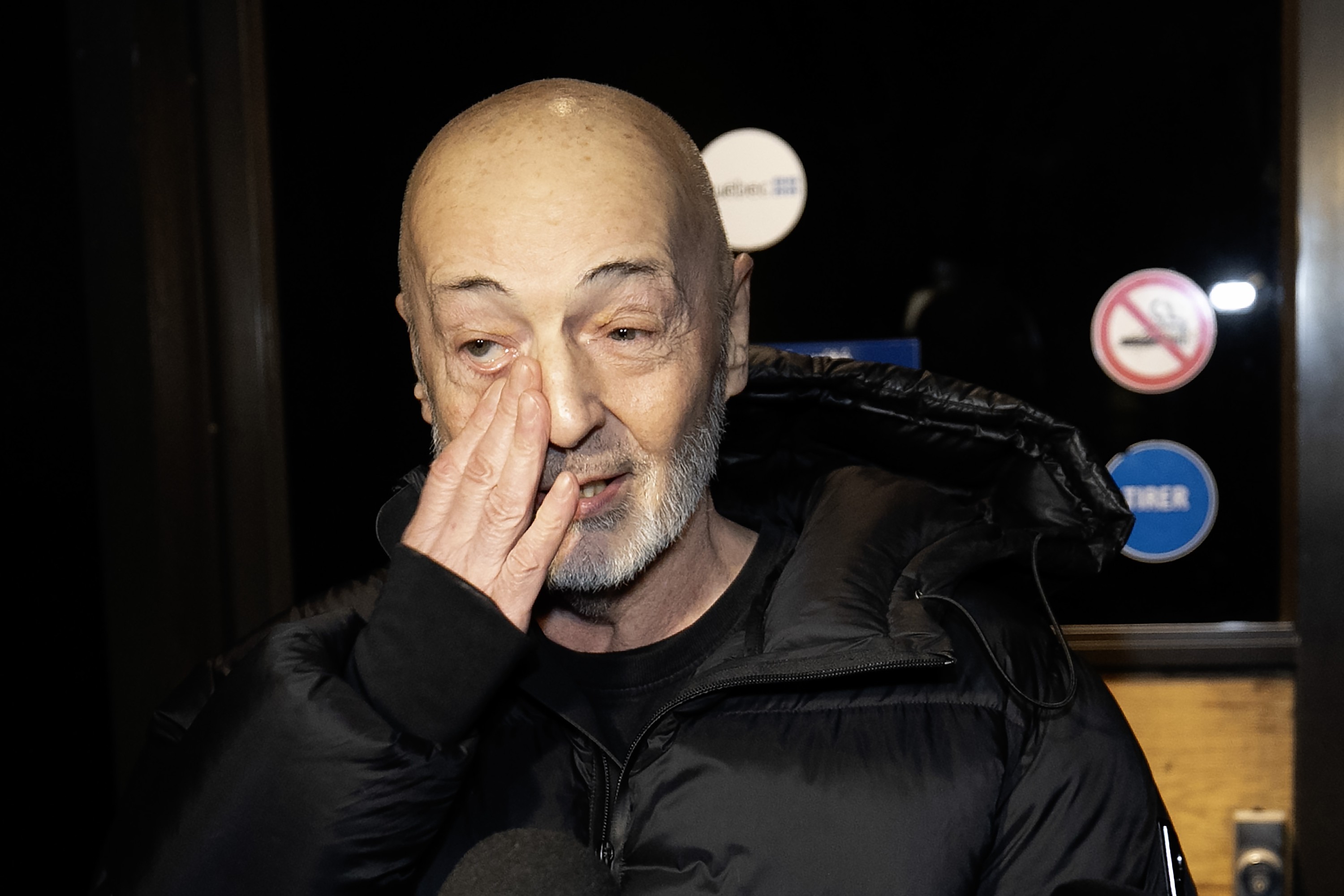
Canada's Justice Minister Sean Fraser has ordered a new trial for Daniel Jolivet, a Quebec man who spent about 33 years in prison after being convicted of four murders in 1994. Montreal Gazette reported that Fraser found reasonable grounds to believe a miscarriage of justice likely occurred, citing new information that was never presented at trial.
Jolivet was granted bail in December 2025 and is now set to face a new legal proceeding. Fraser was clear that his order is not a verdict. "This is not a declaration of guilt or innocence," he said, but a return of the case to the courts so new issues can be evaluated under the law.
A 1994 Conviction Built on One Witness
Jolivet was convicted for four murders tied to a drug-related dispute in Brossard, Quebec. His case rested heavily on the testimony of a single informant. His defense team, led by Nicholas St-Jacques of Project Innocence Quebec, argued that testimony was unreliable, according to Global News.
The case had a long legal history before reaching this point. An appeal court initially overturned Jolivet's conviction. But the Supreme Court of Canada reinstated it in 2000. He remained behind bars for decades as efforts to reopen the case continued.
Quebec Crown Office Raised Doubts in October 2025
The push for a new trial gained momentum in October 2025. That month, the Quebec Crown prosecutor's office said there was reason to believe Jolivet did not receive a fair trial. It also said new information not shown at trial warranted a second look, according to Insauga.
That assessment helped trigger Fraser's federal review. Such reviews are rare in Canada. The bar is high — the minister must find reasonable grounds to believe a miscarriage of justice likely occurred. Fraser concluded that bar was met in Jolivet's case.
33 Years Inside — and a Hard Return to Normal Life
Jolivet walked out of prison on bail in December 2025. He was convicted at age 21 and is now in his mid-50s. Simple things feel foreign. Montreal Gazette reported that he described his first trip to a corner store and the strange feeling of sleeping in a king-size bed after decades in a cell.
His story puts a human face on what wrongful conviction reviews are meant to fix. Every year behind bars was a year Jolivet says he did not deserve. Whether a court agrees remains to be seen — but for the first time in over three decades, he will get another chance to make that case.
Why Ottawa Orders New Trials in Miscarriage Cases
Canada's justice minister has the power to order a new trial when new evidence raises serious doubts about a conviction. The goal, Fraser said, is to maintain public trust in the justice system. Reviewing cases with new information is how that trust gets restored, according to Global News.
The Jolivet case now returns to the courts. A new trial does not mean a guaranteed acquittal. It means the evidence — old and new — will be weighed again. The process could take months or longer before any verdict is reached.
Sentiment
Mostly NegativeNEGATIVENEUTRALPOSITIVE
Publishers
10
Articles
36
Reach
46
A
AnonymousAuthor


