New Crypto Sanctions Imposed
US Expands Iran Sanctions to Include Cryptocurrency, Tech, and Gold Sectors
Anonymous
Key Points
1
IRGC-linked wallets moved more than $3 billion in 2025, with those wallets accounting for over half of Iran's crypto inflows in Q4 2025, as the overall crypto market in Iran reached about $7.78 billion for the year.
2
OFAC previously targeted Iranian crypto activity through sanctions on several exchanges, including Nobitex, Wallex, Bitpin, Ramzinex, Shelbit, and Aban Tether.
3
UAE-based Ukrainian broker Ivan Obukhov is alleged to have processed more than $100 million in cryptocurrency payments for IRGC-Quds Force oil sales since 2023 and is connected to Foscom FZE, a company he purchased in 2022.
4
The expansion to digital assets is under Executive Order 13902 and was described as an economic 'D-Day' by Treasury leadership, broadening sanctions authority to any actor operating in Iran's crypto space worldwide.
5
Market activity around the sanctions included Bitcoin breaking above $80,000 and oil prices rising, with Brent crude trading above $90 as Hormuz-related risk persisted.
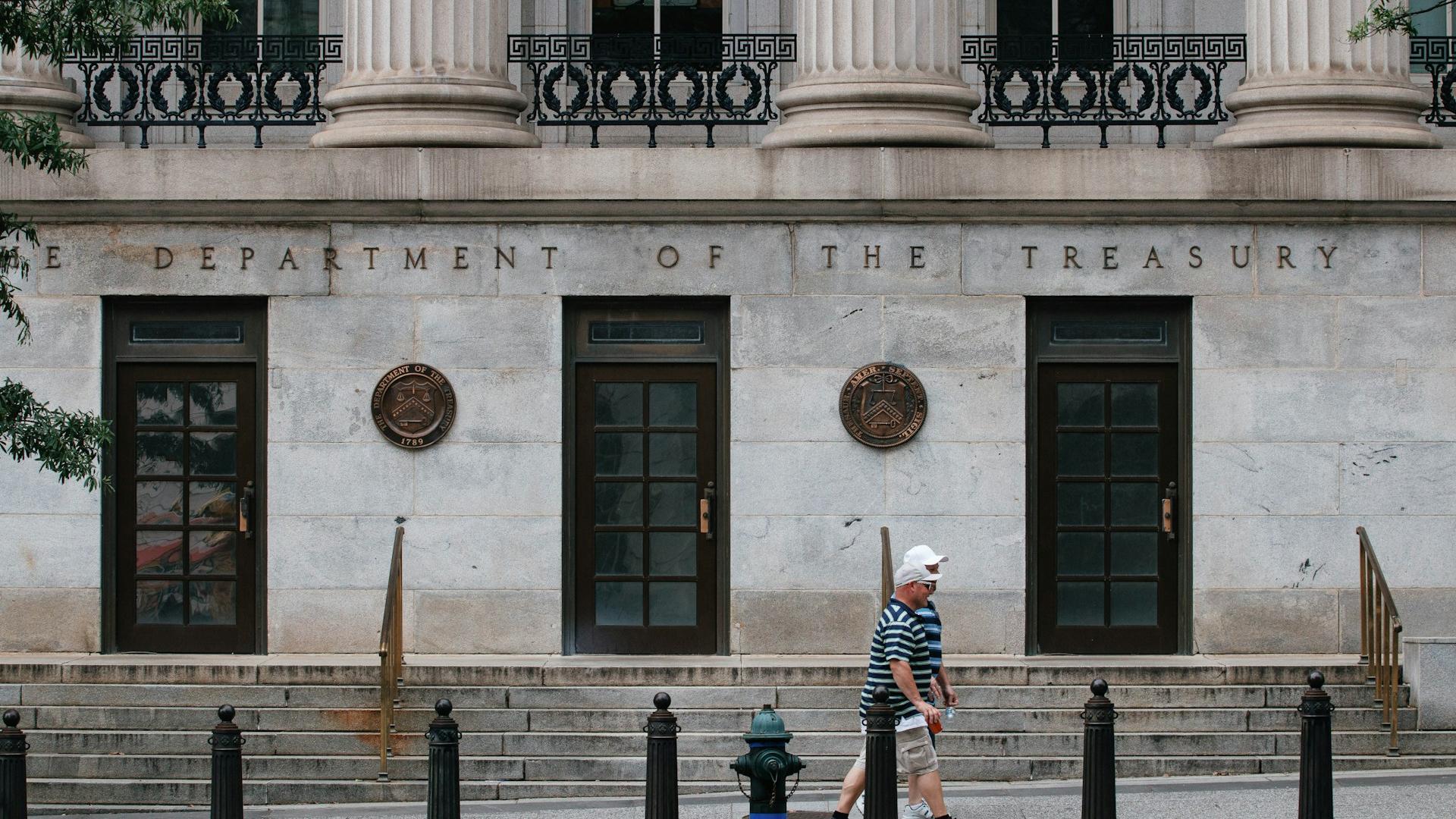
The U.S. Treasury expanded Iran sanctions to explicitly cover cryptocurrency, technology, gold, aviation, and shipping The Crypto Basic. The move targets nearly 60 Iran-linked individuals, entities, and vessels—including Ukrainian broker Ivan Obukhov, who allegedly processed more than $100 million in crypto payments for Iran's military since 2023 CoinDesk. Treasury officials say Iran's digital-asset ecosystem has grown significantly and is being used to move funds outside traditional banking, with military-linked wallets accounting for over half of Iran's crypto inflows in late 2025.
This marks one of the broadest uses of sanctions authority against Iran's digital economy CryptoNews. The new rules allow the Treasury to penalize brokers, wallet operators, and payment processors worldwide—not just Iranian entities. Markets reacted cautiously, with Bitcoin breaking above $80,000 and Brent crude trading above $90 as investors monitored for further supply disruption Yahoo Finance.
How Iran's Military Used Crypto to Hide Money
Iran's Islamic Revolutionary Guard Corps (IRGC) moved more than $3 billion in cryptocurrency during 2025 The Crypto Basic. Military-linked wallets alone accounted for over half of Iran's total crypto inflows in the final quarter. The overall Iranian crypto market reached about $7.78 billion for the year, making digital assets a key tool for bypassing international banking restrictions.
Ivan Obukhov, a Ukrainian broker based in the UAE, allegedly funneled these payments by handling oil sales for Iran's Quds Force military unit since 2023 CoinDesk. He is connected to Foscom FZE, a company he purchased in 2022. The Treasury identified him as a critical middleman in this financial network, making him a top target in the new sanctions wave.
Previous Crypto Exchanges Already on the Sanction List
This is not the Treasury's first action against Iranian crypto activity Coindoo. OFAC previously sanctioned six major Iranian exchanges: Nobitex, Wallex, Bitpin, Ramzinex, Shelbit, and Aban Tether. These exchanges allowed Iranians to convert fiat currency into digital assets, fueling the flow of money out of the country and into military coffers.
The new sanctions expand this approach by targeting the entire ecosystem—not just exchanges but also brokers, wallet operators, and payment processors CryptoNews. Treasury officials called this expansion an economic 'D-Day,' signaling a major escalation in their effort to choke off Iran's digital finances. Any actor worldwide operating in Iran's crypto space now faces potential penalties.
What the New Rules Change About Targeting Iran
The expansion uses Executive Order 13902, which gives the Treasury sweeping power over Iran's economy The Crypto Basic. Previously, OFAC had to name specific individuals or companies before blocking their assets. Now, the Treasury can flag entire sectors—meaning anyone in Iran's crypto space can be targeted based on that alone.
This does not mean instant sanctions for every crypto participant in Iran. The Treasury must still formally designate each person or entity before freezing assets CoinDesk. But the new authority signals that participation in Iran's digital-asset sector itself is risky and could trigger future designations. Markets will watch whether more crypto exchanges, brokers, or payment processors get added to the list.
Oil Markets Rise as Hormuz Risk Lingers
Brent crude rose above $90 per barrel as investors feared supply disruption from the Strait of Hormuz Yahoo Finance. The sanctions campaign against Iran increases tensions in the region, which is critical for global oil trade. About 21% of the world's petroleum flows through this narrow waterway each day.
Bitcoin's jump above $80,000 reflects broader risk sentiment in markets Yahoo Finance. Investors are balancing the U.S. Treasury's aggressive stance on Iran against uncertainty over how Tehran might respond. The sanctions package adds another layer of geopolitical risk to financial markets already watching inflation data and corporate earnings.
Sentiment
Mostly NegativeNEGATIVENEUTRALPOSITIVE
Publishers
15
Articles
24
Reach
39
A
AnonymousAuthor


