Overnight Doping Checks
Tour de France leaders face unexpected overnight doping tests amidst intensified anti-doping efforts
Anonymous
Key Points
1
ITA intends to carry out more than 600 anti-doping controls during the Tour de France, signaling intensified testing across the event.
2
Nighttime anti-doping tests are conducted within a window from 11 p.m. to 6 a.m. local time, a practice allowed since 2016 to catch riders at their least prepared.
3
Stage 15 on the Tour de France is a 183.9-kilometer mountainous ride from Champagnole to Plateau de Solison (Plateau de Solaison), presenting a decisive Alpine finish.
4
Vingegaard said the testing must be equal for everyone and described being woken at 2 a.m. as 'not the nicest' but acknowledged its necessity.
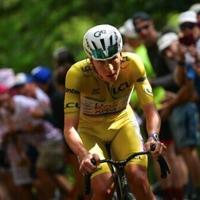
Tour de France leader Tadej Pogacar and main rival Jonas Vingegaard were woken in the middle of the night by anti-doping officials, just hours before a decisive Alpine mountain stage. Ledger-Enquirer reported that testers from the International Testing Agency knocked on their doors — Vingegaard at around 2 a.m. and Pogacar at roughly 5 a.m.
Both riders confirmed the overnight visits before Stage 15, a grueling 183.9-kilometer Alpine ride from Champagnole to Plateau de Solaison. Despite losing sleep, both men defended the tests as a necessary part of clean sport.
Midnight Knocks Are Legal and Intentional
Nighttime anti-doping tests have been allowed since 2016. Testers can show up between 11 p.m. and 6 a.m. local time. The goal is to catch riders when they are least prepared. It is harder to mask or hide banned substances on short notice in the middle of the night.
The ITA plans to carry out more than 600 anti-doping controls during this year's Tour de France. That signals a major push for clean racing. Teams confirmed the overnight visits to their hotel rooms, and both riders' camps did not dispute the accounts.
Pogacar and Vingegaard Defend Tests Despite Lost Sleep
Vingegaard said being woken at 2 a.m. was 'not the nicest' but added that testing must be equal for everyone. He said it took him about 40 minutes to fall back asleep. That is a significant interruption the night before a hard Alpine stage.
Pogacar said he got around four hours of sleep total. Still, he did not complain. Both men said the tests are part of the job and are fair as long as every rider faces the same rules. Their calm response sent a clear message about their confidence in competing clean.
Stage 15 Sets the Stage for an Alpine Showdown
The overnight tests came at a pivotal moment in the race. Stage 15 runs 183.9 kilometers from Champagnole to the summit finish at Plateau de Solaison. It is one of the hardest days of this year's Tour. The climb at the finish will sort out the general classification contenders fast.
The stage falls between the Vosges, Jura, and Alps sections of the race. This stretch is where Tour titles are often won or lost. With Pogacar leading and Vingegaard chasing, every minute of sleep — and every anti-doping visit — becomes part of the story.
Testing Pressure Reflects Cycling's Ongoing Clean-Sport Push
Cycling has a long and troubled history with doping. The sport has worked hard to rebuild trust. Nighttime testing is one tool in that effort. The ITA's pledge to run more than 600 controls at this Tour shows how seriously organizers take the issue.
The overnight tests also show a tension that will not go away. Athletes need rest to perform and recover. But anti-doping officials need surprise and access to catch cheaters. For now, both Pogacar and Vingegaard say the trade-off is worth it — and that racing clean matters more than one lost hour of sleep.
Sentiment
Mostly NegativeNEGATIVENEUTRALPOSITIVE
Publishers
15
Articles
35
Reach
50
Topics
A
AnonymousAuthor