US Anti-Cartel Expansion
US Expands Anti-Cartel Operations to Land in Latin America, Partnering with Colombia, Ecuador, Honduras
Key Points
In the first year of the anti-drug boat campaign under President Trump, hundreds of people have been killed in US strikes off Latin America’s Caribbean and Pacific coasts.
The US has designated 20 Latin American criminal groups as foreign terrorist organizations since President Trump returned to the White House, expanding the legal toolkit for actions against narcotics networks.
Guatemala denies any agreement to join on-ground operations, even as US officials have cited Colombia, Ecuador, Guatemala, and Honduras as partners in the planned land operations.
Colombia is described as a key ally for the new land-based strategy, with reports that its president, Abelardo de la Espriella, is seeking greater US military involvement against groups like the ELN.
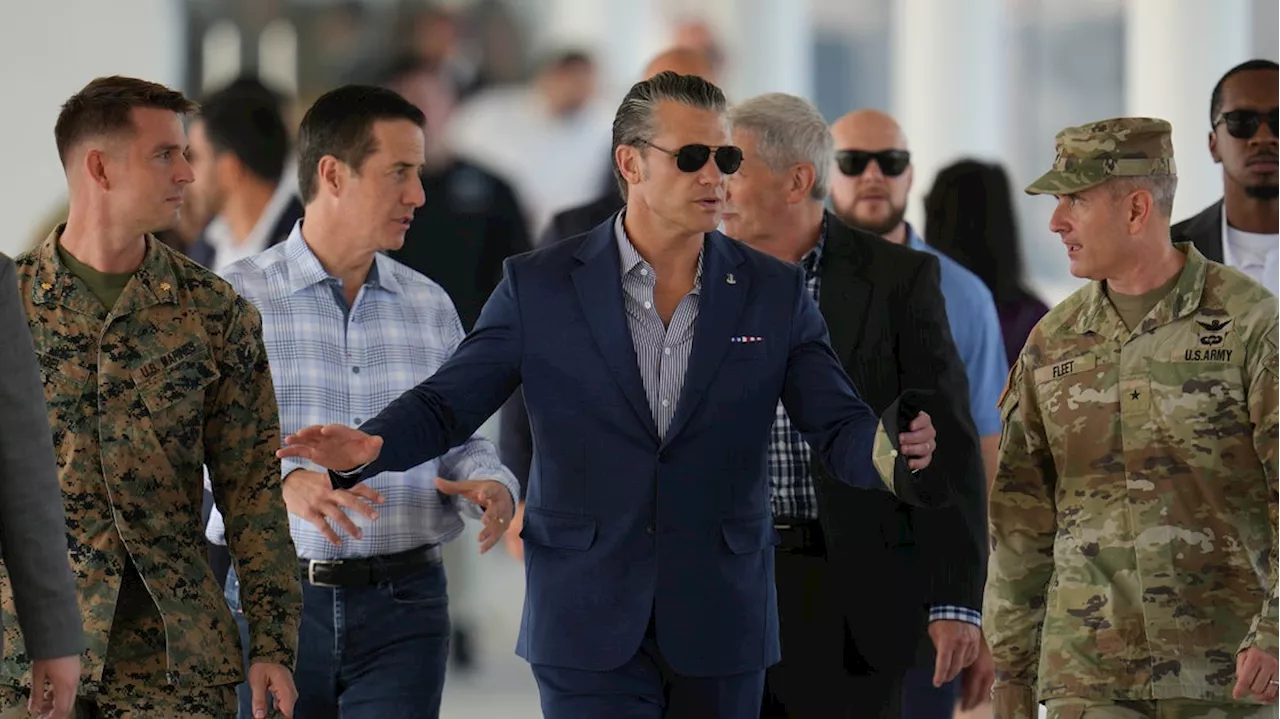
The U.S. military is taking its war on Latin American drug cartels from the ocean to dry land. Defense Secretary Pete Hegseth confirmed that American forces plan to carry out joint operations on the ground in Colombia, Ecuador, and Honduras, according to International Business Times. The move follows a year of sea-based strikes that killed hundreds of people off the Caribbean and Pacific coasts.
The expansion marks a major escalation in U.S. military activity across Latin America. Since President Trump returned to office, the U.S. has designated 20 Latin American criminal groups as foreign terrorist organizations, broadening the legal tools available for strikes and raids, according to WISN.
Hundreds Killed in Year of High-Seas Boat Strikes
The sea campaign began after Trump took office and quickly turned deadly. U.S. forces targeted boats suspected of carrying drugs off Latin America's coasts. Hundreds of people were killed in those strikes over the past year, according to Gulf Coast News. Officials framed the deaths as the cost of fighting narcotics networks that flood the U.S. with drugs like fentanyl.
Critics pushed back hard. They argue that the strikes killed people without trial or proof of guilt. Some questioned whether all those killed were actually drug smugglers. The scale of deaths drew comparisons to wartime operations, not law enforcement actions.
Land Operations Planned With Colombia, Ecuador, and Honduras
Hegseth named Colombia, Ecuador, and Honduras as partners willing to allow U.S. forces to operate on their soil. Colombia is seen as the centerpiece of the new strategy. Reports say Colombia's president, Abelardo de la Espriella, is actively seeking deeper U.S. military involvement against armed groups like the ELN, according to Head Topics.
Guatemala's inclusion in the plan hit a snag. U.S. officials listed Guatemala as a partner, but Guatemalan officials denied any agreement exists. The contradiction raised questions about how solid the coalition actually is — and whether Washington moved faster than its partners were ready for.
Guatemala Denies Deal as Regional Allies Signal Support
Guatemala flatly rejected U.S. claims of an agreement, even as American officials publicly cited the country as a partner in the land operation plan. The denial put a visible crack in the administration's narrative of broad regional buy-in. It also signaled that not every government in the region is willing to let U.S. troops operate freely on its territory.
Still, the broader political wind in Latin America is blowing in Washington's favor. Regional voters have increasingly backed leaders aligned with Trump's approach, according to WISN. That shift is giving the Trump administration confidence to push what it calls American dominance over the Western Hemisphere.
Critics Warn of Civilian Casualties and Diplomatic Blowback
Opponents of the expansion say moving strikes onto land dramatically raises the risk of civilian deaths. Buildings, markets, and neighborhoods are harder to target cleanly than boats at sea. Human rights groups warn that labeling cartels as terrorist organizations gives the military wide legal cover — but little accountability for who actually gets hit.
Some analysts say the push reflects raw power projection more than true cooperation. They argue Washington is pressuring weaker governments into agreements rather than building genuine partnerships. "Joint operations" in name, critics say, can still mean U.S. forces calling the shots, according to International Business Times.
Sentiment
Mostly NegativePublishers
10
Articles
89
Reach
99


