Flash Flooding Swamps New Jersey Half Marathon
Flash Flooding Swamps New Jersey Half Marathon
Anonymous
Key Points
1
Zac Clark said he finished in 1 hour, 40 minutes and 42 seconds, placing third in his age group.
2
Runner Garrett Nathan said he received flash-flood alerts on his phone but got no cancellation notices from race directors; he described the course as beginning in Ridgewood near the Saddle River and involving five or six water crossings.
3
Nathan said the race’s advertised route was not altered despite the flooding, asking, “Are they going to like change the routes for us at all?”
4
The event had been promoted as a “flat and fast” course aimed at runners pursuing personal records, a description that contrasted sharply with the flooded conditions.
5
Local residents and running officials publicly criticized the decision to proceed: Ridgewood resident Helen said runners described it as a “horrible experience,” while running coach Bill Gahwyler called it “ridiculous that it wasn't cancelled.”
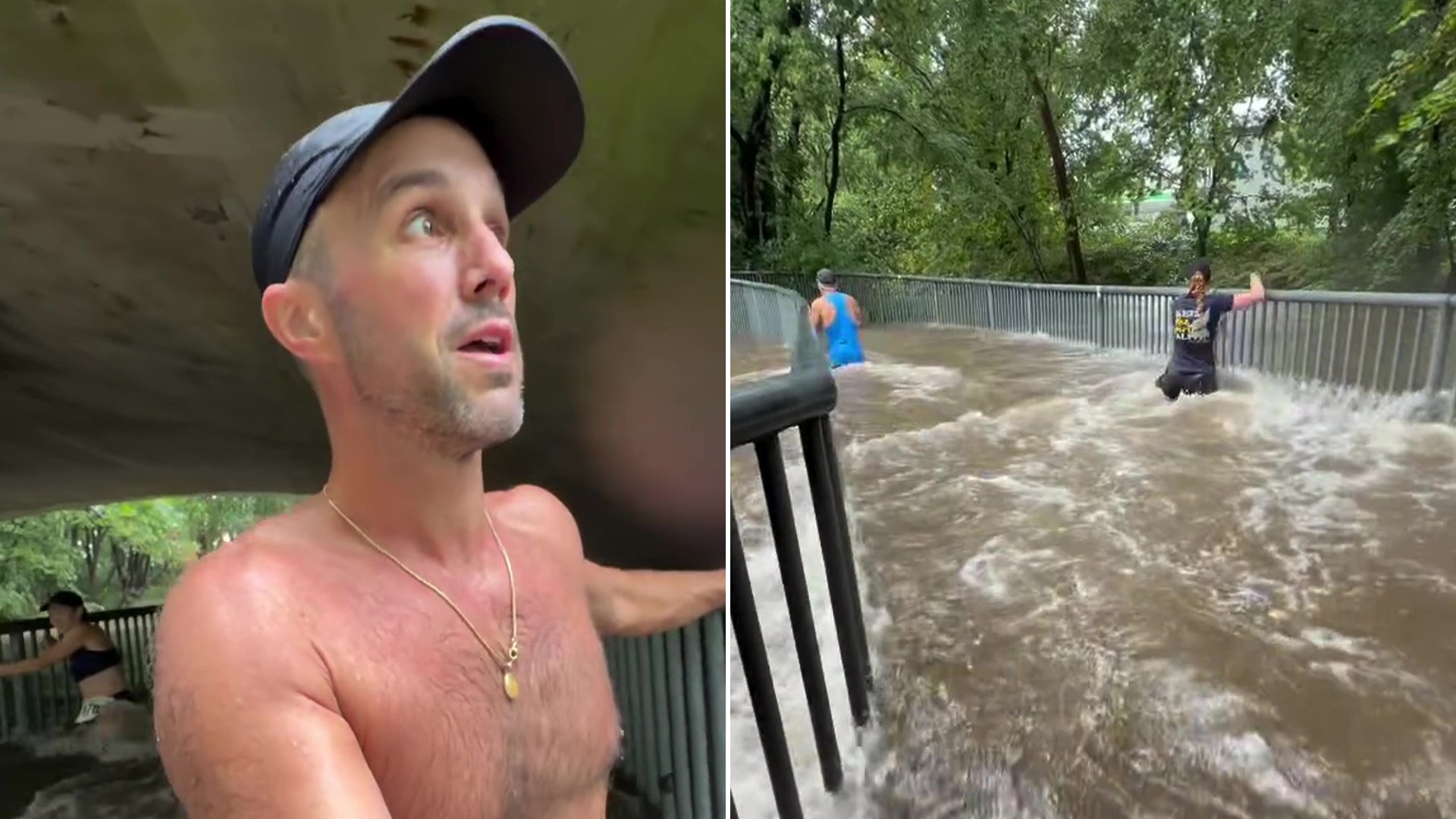
Nearly 250 runners finished the Racefaster Half Marathon in Paramus, New Jersey, on a course transformed into a water hazard by almost five inches of rain. CBS News reported that organizers delayed the start by two hours but proceeded anyway, sending participants into waist- to chest-high floodwater and strong currents despite active flash-flood alerts. No injuries were reported, but the decision to race prompted sharp criticism from runners, local officials, and coaches.
Runners received flash-flood warnings on their phones but no cancellation notice from race directors, according to The New York Times. The course near Ridgewood and the Saddle River included five or six water crossings that turned into dangerous channels. One runner said organizers never altered the advertised route, asking simply: 'Are they going to like change the routes for us at all?'
A Two-Hour Delay Did Not Stop the Flooding
The race was scheduled to start early morning, but organizers pushed back the gun time by 120 minutes. The delay, however, could not reverse what nearly five inches of rain had already done to the course. Flash-flood alerts remained active across Bergen County throughout the morning, signaling that conditions were worsening, not improving.
USA Today reported that the postponement failed to address the core hazard: a watershed overwhelmed by intense rainfall. In fast-draining areas near rivers and low-lying roads, even a brief lull in rain does not guarantee safe passage. Once water fills channels and streets, it persists long enough to trap runners and block escape routes.
Runners Waded Through Hidden Dangers With No Reroute
Participants navigated multiple flooded sections by clinging to railings and railings and worrying about what lay beneath murky water. One runner, Garrett Nathan, said he received flash-flood alerts but got no official cancellation or reroute guidance. The course stayed true to its advertised path—the same 'flat and fast' route designed for personal records.
WKYC documented the scene: water crossings that had become impassable channels, with some runners abandoning the race for safety. The contrast was stark: a course marketed to elite amateur runners as ideal for speed records became a course where survival mattered more than splits.
Local Officials Question Why the Race Proceeded
A Ridgewood resident told reporters that finishers described the race as a 'horrible experience.' Running coach Bill Gahwyler was blunt: 'It's ridiculous that it wasn't cancelled.' The criticism reflected a broader question: at what point does a warning become a mandate to stop an event, not just postpone it?
Former Bachelorette contestant Zac Clark crossed the finish line in 1 hour, 40 minutes and 42 seconds, placing third in his age group, FreePep reported. His completion stood out precisely because conditions were treacherous enough that many other runners quit. The fact that some finished did not erase the risk borne by all who entered the water.
A Wider Problem: Events and Extreme Weather Collide
Outdoor races are planned for normal conditions, but intense rainstorms can overwhelm local drainage in minutes. The Paramus course sits near rivers and drainage corridors—the exact places where water accumulates fastest during flash-flood events. Climate-driven increases in heavy rainfall are making such collisions more frequent.
The gap between warning and action proved fatal to safety on race day. Runners got flash-flood alerts but no clear cancellation message. Organizers detected hazards but did not unambiguously translate detection into decision: cancel, reroute, or fully postpone. Until that gap closes, recreational events will remain vulnerable to being caught between caution and liability.
Sentiment
Mostly NegativeNEGATIVENEUTRALPOSITIVE
Publishers
19
Articles
23
Reach
42
A
AnonymousAuthor


