Lagos Beach Access Costs
Privatization Drives Up Costs for Lagos Beach Breaks, Displacing Lower and Middle-Class Residents
Anonymous
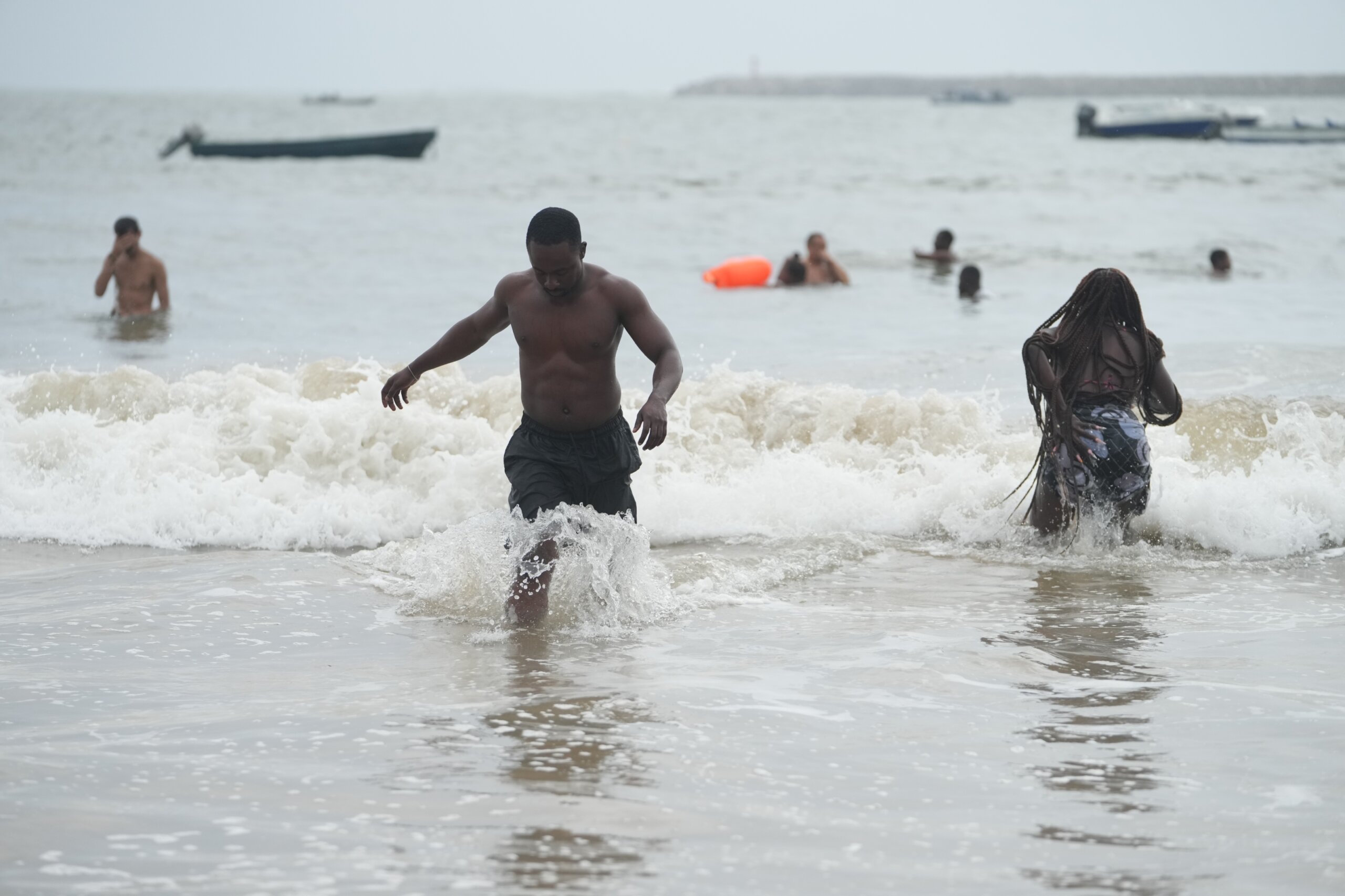
A weekend at the beach in Lagos, Nigeria's commercial capital, now costs the average visitor around 25,000 naira — about $18 — just for one person. WTOP reports that entry fees, chairs, food, drinks, and activities have all gone up as local government hands more of the shoreline to private developers.
For many residents, that single outing eats nearly a third of their monthly income. The average Lagos worker earns about 77,000 naira — roughly $56 — per month, according to Winnipeg Free Press. What was once a cheap escape is fast becoming a luxury few can afford.
One Writer's Weekend Costs a Third of His Monthly Pay
Mukthar Oladunmade, a 27-year-old writer, told Yahoo News he spends 25,000 naira every weekend at the beach. That is $18 per trip. His monthly income averages around 77,000 naira, or $56. A single beach day wipes out nearly one-third of what he earns in a month.
Oladunmade's story reflects a wider problem. Prices have risen steadily as private operators take over public beaches. Entry fees alone have climbed. Add chairs, food, and water activities, and the total bill grows fast — too fast for lower and middle-class Lagosians.
Lagos Hands Its 180-Kilometer Coast to Private Hands
Most of Lagos's 180-kilometer coastline is no longer truly public. WRAL reports that the state government has handed large stretches of shore to private developers. Families with ancestral claims to the land control other sections. Together, they have squeezed out free or low-cost access.
The Lagos state government has also reclaimed land from the ocean for exclusive housing and commercial developments. These projects bring in wealthy residents and foreign businesses. But they push basic services — and the people who need them — further from the water.
Privatization Forces Lower-Income Residents Away From the Shore
As beachfront land gets developed, costs for nearby housing and services rise too. The Seattle Times notes that lower and middle-class residents are being pushed out of coastal neighborhoods entirely. People who once walked to the beach now cannot afford to live — or even visit — near it.
The shift hits everyday Lagosians the hardest. The beach was one of the few affordable leisure options in a city of over 15 million people. As private operators raise prices and public access shrinks, that option is disappearing for the majority of residents.
Lagos's 'Megacity' Dream Comes at a Cost to Its Own People
The Lagos state government has long marketed the city as a "megacity" — a global hub for tourism and international business. WTOP reports that this branding drives decisions to develop and privatize the coastline. The goal is to attract outside investment and high-income visitors.
But critics say the megacity push comes at a direct cost to ordinary residents. Affordable beach access is shrinking. Housing near the shore is getting more expensive. The people who built Lagos's identity are being priced out of enjoying it. The city is growing — just not for everyone.
Sentiment
NeutralNEGATIVENEUTRALPOSITIVE
Publishers
5
Articles
5
Reach
5
A
AnonymousAuthor