Moldova PM Exit Shakes EU Path
Moldova's Prime Minister Resigns Amid Graft Scandal, Collapsing Government and Fueling EU Membership Doubts
Anonymous
Key Points
1
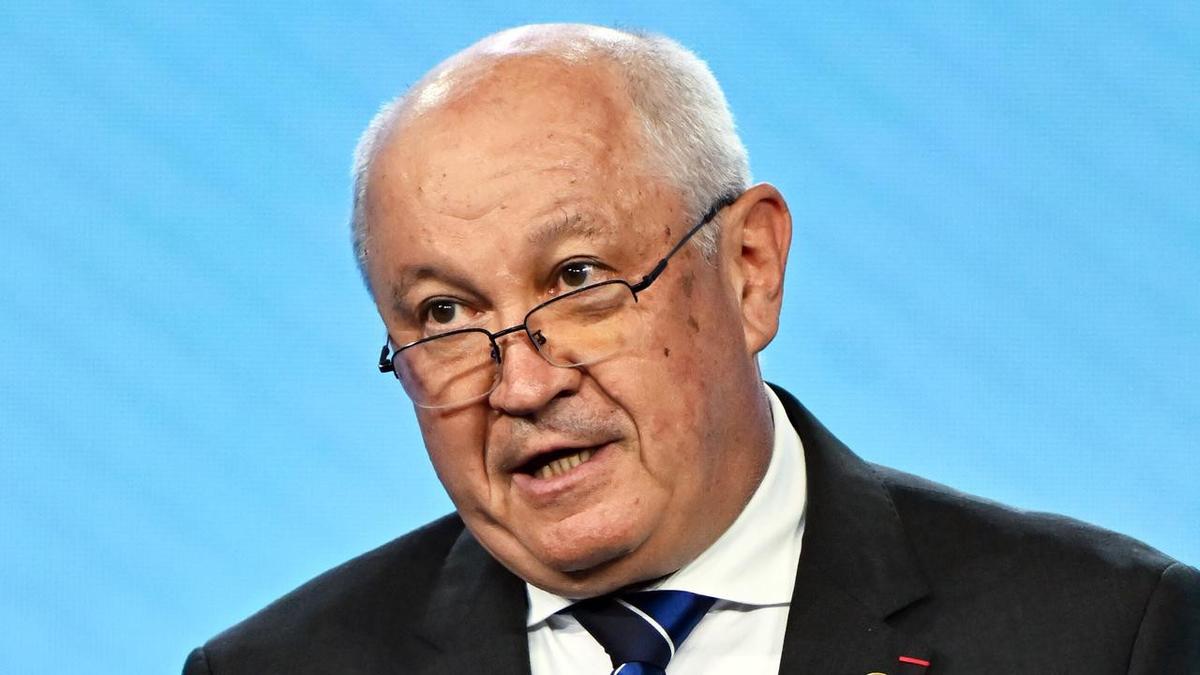
Munteanu was appointed prime minister on October 31, 2025, after President Maia Sandu's pro-EU party won the September 2025 parliamentary election; he is a 61-year-old economist who previously worked at the World Bank.
2
Prior to resigning, Munteanu pledged to prioritize 'EU, peace, and growth' and had floated a plan to resolve Moldova's decades-long Transnistria stand-off.
3
He publicly warned last month that Vladimir Putin's decree allowing easier Russian citizenship for Transnistria residents could be aimed at boosting recruitment for Russia's war in Ukraine, calling a Russian passport 'the passport of an aggressor state.'
4
Observers described the resignation as surprising and noted it effectively collapses the government, signaling Moldova’s turbulent transition as it pursues EU membership amid regional pressures.
Moldovan Prime Minister Alexandru Munteanu resigned suddenly after just eight months in office, collapsing the entire government in the process. Perth Now reported he announced the move in a post on X, saying he could no longer govern "in accordance with his principles and convictions" — without giving further detail.
The resignation is a major blow to President Maia Sandu and her pro-EU ruling party, which had only won the September 2025 parliamentary election months earlier. Bendigo Advertiser noted the sudden departure raises serious questions about Moldova's stability as it pursues EU membership.
Corruption Scandal Triggers Government Collapse
Munteanu's exit is tied to a corruption scandal at a state-owned air traffic management company. The scandal put him in an impossible position. He chose to step down rather than stay in a government he said no longer matched his values. His departure automatically triggered the resignation of his entire cabinet.
Munteanu, a 61-year-old economist and former World Bank official, was only appointed prime minister on October 31, 2025. Western Advocate described the resignation as surprising, noting observers had not seen it coming. Moldova now faces an urgent search for new leadership.
Munteanu Had Pledged EU Path and Transnistria Peace Plan
When he took office, Munteanu set out three priorities: EU membership, peace, and economic growth. He also floated a plan to resolve Moldova's decades-long frozen conflict with Transnistria, a Russian-backed breakaway region in the east of the country. His early agenda looked ambitious.
Just last month, Munteanu took a hard public stance against Russia. He warned that Vladimir Putin's decree offering easier Russian citizenship to Transnistria residents could be a tool to recruit soldiers for the war in Ukraine. He called a Russian passport "the passport of an aggressor state."
EU Ambitions Now Face an Uncertain Road Ahead
Moldova is an EU candidate country, sandwiched between Ukraine to the east and Romania to the west. Political stability is key to keeping its EU accession process on track. A government collapse at this moment puts that progress at risk. Bendigo Advertiser noted the crisis is a direct challenge to Sandu's pro-European agenda.
Observers say Moldova is deeply vulnerable to both internal political pressure and outside interference from Russia. The timing of the resignation — with no clear explanation — has fueled speculation about what forces may have pushed Munteanu out. Katherine Times reported the reasons were not explicitly stated, leaving many questions unanswered.
Sandu Must Now Rebuild Government From Scratch
President Sandu now faces the task of finding a new prime minister and forming a new government. Her party won the 2025 election on a clear EU platform. Losing her prime minister this early is a serious setback. Western Advocate said it signals a turbulent transition for the small nation of about 2.6 million people.
Moldova's path forward depends on how quickly Sandu can stabilize her government and restore confidence. Any prolonged political vacuum could slow EU reforms, weaken governance, and give outside actors more room to interfere. Lithgow Mercury noted the country now faces a potentially turbulent period ahead.
Sentiment
Mostly NegativeNEGATIVENEUTRALPOSITIVE
Publishers
30
Articles
206
Reach
236
A
AnonymousAuthor


