Record Iranian Currency Crash
Iranian Rial Hits Record Low as US Prepares New Financial Sanctions Against Tehran
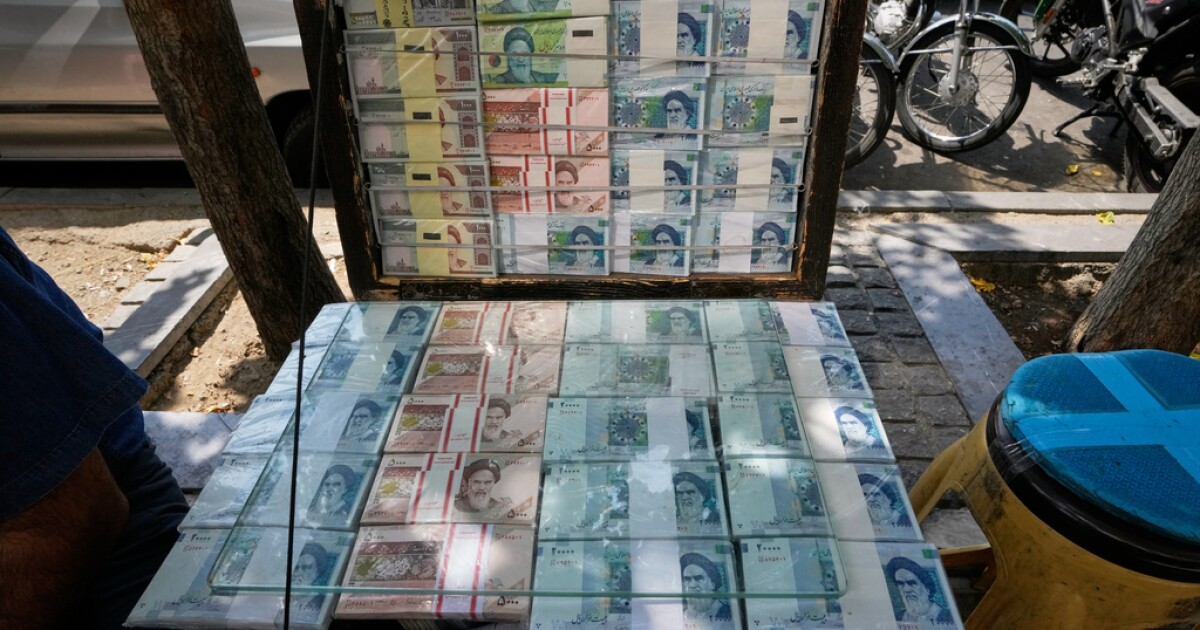
Iran's currency hit a record low of 2 million rial to the U.S. dollar on Monday as the country braced for what Denver7 calls "economic D-Day" sanctions from the United States. Treasury Secretary Scott Bessent is preparing to announce sweeping penalties against Iran and any nations that continue trading with Tehran, marking what officials describe as the harshest financial assault on an adversary ever attempted.
The collapsing rial reflects deep anxiety about coming restrictions. Iran has already warned it could view the sanctions as an act of war. Experts say the challenge now lies in squeezing Iran further without destabilizing global energy markets or triggering a backlash from major trading partners like China, which buys significant Iranian oil.
Currency Collapse Signals Economic Distress
The rial's plunge to 2 million per dollar represents a historic low for Iran's currency, KBZK reports. This dramatic drop reflects investor panic and capital flight ahead of the new sanctions wave. A weakening currency makes imports costlier and erodes ordinary Iranians' purchasing power, deepening economic hardship across the country.
Treasury Department Plans Coordinated Global Pressure
Scott Bessent aims to deploy what KSHB describes as "the greatest financial offensive ever marshaled against an adversary." The strategy targets not just Iran but nations that do business with it. Secondary sanctions would punish foreign companies and countries that refuse to abandon Iranian trade, forcing a stark choice between Tehran and Western markets.
China's Oil Purchases Could Undermine Sanctions
China buys substantial amounts of Iranian energy and has resisted U.S. pressure to cut ties, KXLF reports. Experts warn that squeezing Iran's economy further without upsetting Beijing will prove extremely difficult. China's refusal to join a sanctions regime could create a lifeline that weakens the coordinated pressure the U.S. hopes to impose.
Iran Signals Willingness to Escalate Tensions
Tehran has issued a stark warning about the incoming sanctions, KiviTV reports. Officials have suggested they could view economic D-Day measures as an act of war, raising the risk of military retaliation. The threat underscores how aggressive financial warfare can backfire, potentially driving adversaries toward more dangerous forms of conflict rather than compliance.
Sentiment
NeutralPublishers
8
Articles
8
Reach
8


