Ewing's 1998 Wrist Injury
Patrick Ewing battled through a devastating wrist injury during the 1998 Knicks playoff run.
Anonymous
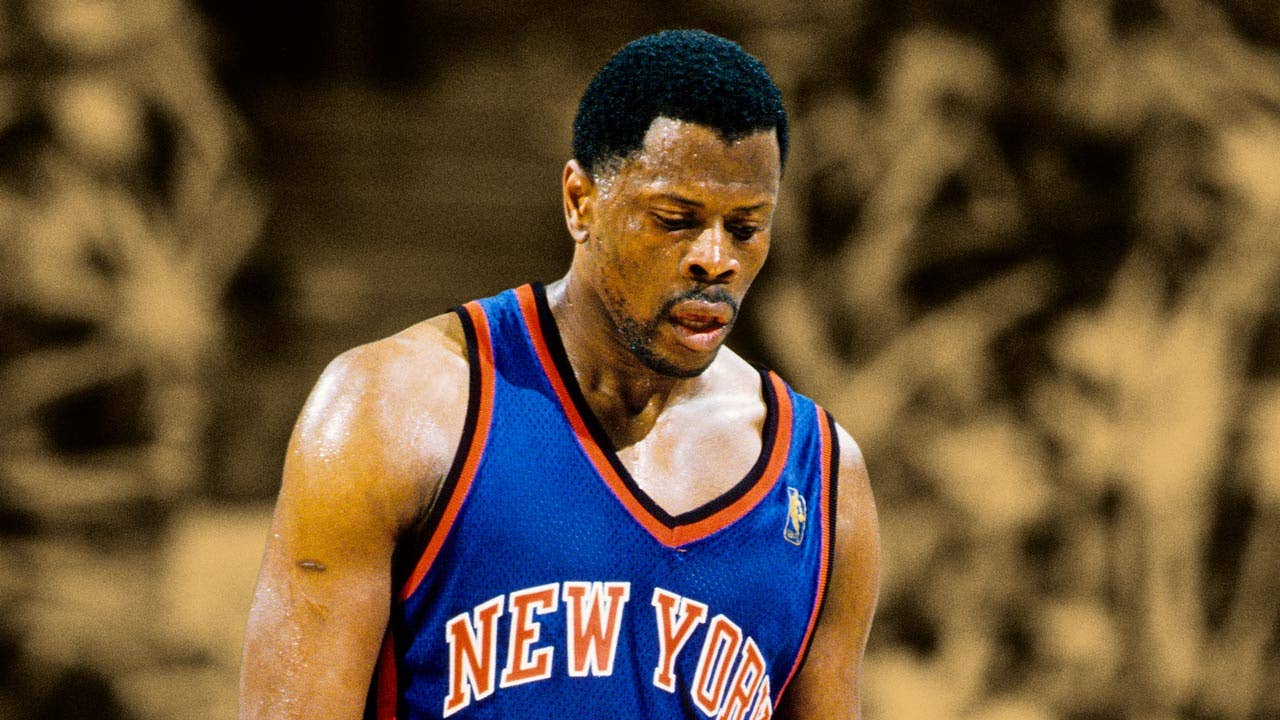
Patrick Ewing's 1998 season turned into heartbreak when a serious wrist injury sidelined the New York Knicks star. The All-NBA Second Team selection had emergency surgery to repair a dislocated bone and torn ligaments. Charlotte Observer reported that Ewing said the injury was "killing me" as his championship dreams for that year collapsed.
Despite missing time, Ewing pushed to return for the playoffs. He suited up against the Indiana Pacers in the second round and averaged 14.0 points per game. The Knicks had built a strong roster around their captain with Allan Houston, Charles Oakley, Larry Johnson, and John Starks ready to support a title run.
The Injury That Stopped a Championship Run
The wrist injury struck at the worst possible moment for Ewing and the Knicks. San Luis Obispo detailed how the star center required immediate surgery to fix the damaged bone and ligaments. This wasn't a minor sprain—it was serious enough to force him off the court during a season when New York had legitimate title hopes.
Ewing's frustration was clear. The injury robbed him of the chance to lead his team deeper into the playoffs when everything was clicking. At that stage of his career, another championship opportunity might not come around again.
A Knicks Roster Built for a Title
The 1998 Knicks weren't just Ewing. Kentucky noted that the team had assembled quality talent around their leader. Allan Houston provided scoring punch. Charles Oakley brought toughness on the boards. Larry Johnson and John Starks gave the team multiple weapons on offense and defense.
This supporting cast made the injury even more painful. The Knicks had the pieces to make a deep run. Without Ewing at full strength, however, the team's ceiling dropped significantly. New York's title window was suddenly closing.
Ewing's Comeback Attempt in the Playoffs
Ewing refused to stay sidelined. Bradenton reported that he fought his way back for the Indiana Pacers series in the second round. Playing through pain and limited mobility, Ewing averaged 14.0 points per game—well below his typical production.
The numbers told the real story. His scoring was down because his wrist simply wasn't ready. Ewing's heart was willing, but his injured hand couldn't perform at the level required to lead a championship team. The brief playoff run represented both his determination and his physical limitations.
Sentiment
NeutralNEGATIVENEUTRALPOSITIVE
Publishers
21
Articles
20
Reach
21
Topics
A
AnonymousAuthor


