Cattle Exports Resume
Mexican Cattle Exports Resume To United States After Extended Fifteen Month Shutdown
Anonymous
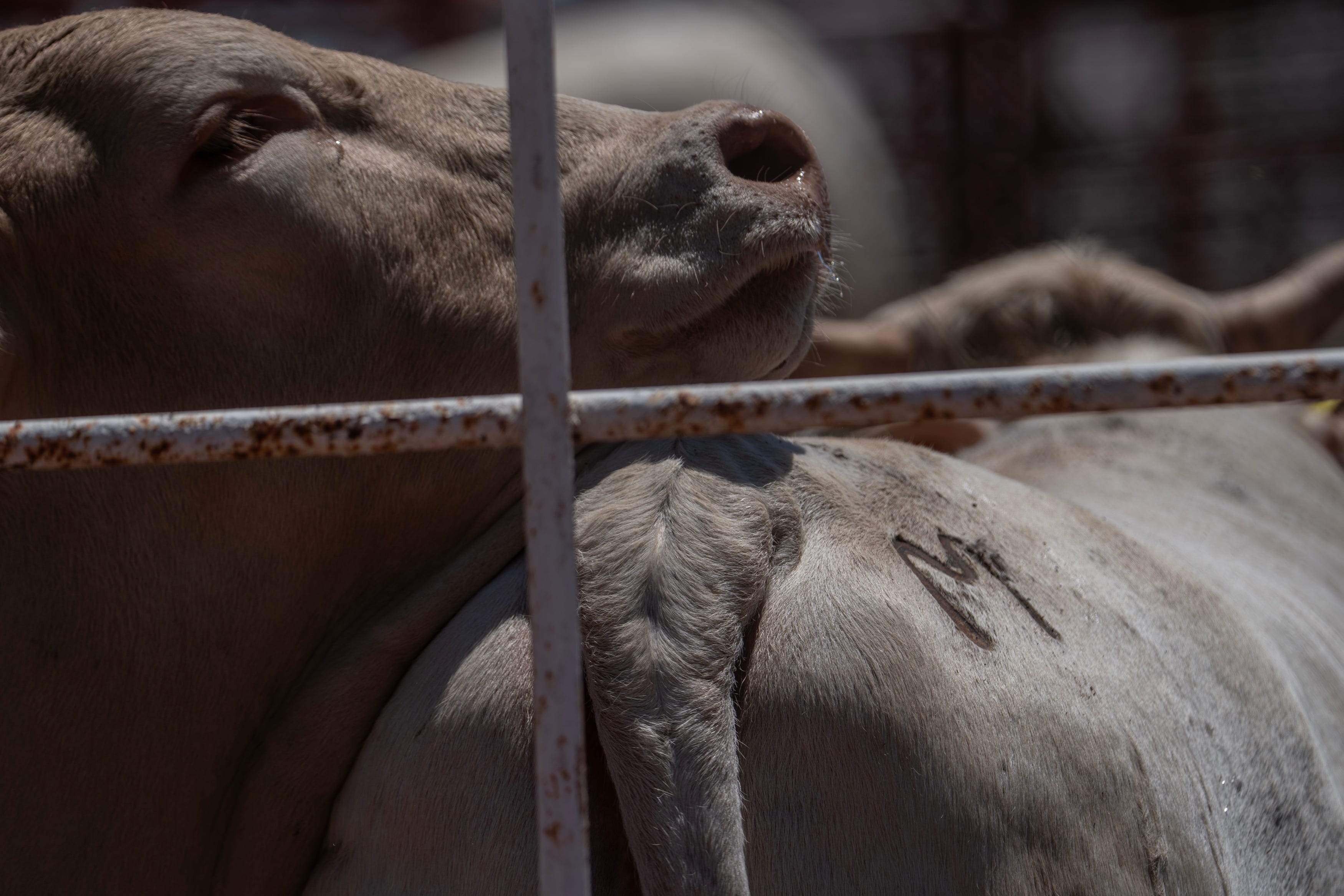
Mexican cattle exports to the United States have resumed after a stunning 15-month halt, bringing relief to ranchers on both sides of the border Journal Now. The restart comes with strict new rules: the U.S. will now inspect 100% of incoming Mexican cattle instead of the previous random sampling system.
The shutdown had frozen billions in trade and left Mexican ranchers struggling to sell their herds. Now, with inspections in place, the cattle are flowing north again—reshaping the beef supply chain and animal health policy Tulsa World.
Why Mexico's Cattle Trade Stopped Cold
The 15-month closure disrupted one of North America's biggest livestock corridors OA Now. Mexican ranchers couldn't move their cattle across the border, forcing them to sell at deep discounts or hold onto animals they couldn't afford to feed. The shutdown cost Mexican exporters millions in lost revenue.
U.S. regulators shut down the border trade over animal health concerns. They wanted stronger oversight of Mexican cattle before allowing shipments to resume Greensboro. The move highlighted how vulnerable the trade was to sudden policy shifts.
100% Inspections Change the Trade Game
The new rule requires U.S. inspectors to check every single Mexican cow arriving at the border—not just a random sample Rapid City Journal. This creates more work for inspectors but gives regulators total visibility into the herd health. Each animal gets examined before it crosses.
The intensive inspections slow down the crossing process. But ranchers say the certainty is worth the wait Elko Daily. They know their cattle will be approved or rejected on clear, consistent standards rather than guesswork.
Relief for Ranchers, Stability for U.S. Beef Prices
Mexican cattle represent a huge chunk of feeder cattle—young cows raised for meat—that U.S. ranchers buy Star Herald. When the border closed, U.S. ranchers lost a key source of cheap livestock. Now the supply is back, which could help stabilize beef prices nationwide.
The trade matters beyond ranching. It affects grocers, restaurants, and families buying meat at the supermarket St. Louis Today. A steadier Mexican cattle supply helps keep the beef industry flowing and prices more predictable.
What's Next for Animal Health Rules
The 100% inspection system is a test case The Independent. If it works smoothly, it could become the new normal for Mexican cattle trade. If it creates backlogs or conflicts, both countries may need to rethink the approach.
Regulators from both nations are watching closely. They're gathering data on disease rates and animal health Pantagraph. The goal is to balance protecting U.S. herds while keeping trade flowing across the border.
Sentiment
NeutralNEGATIVENEUTRALPOSITIVE
Publishers
15
Articles
15
Reach
15
A
AnonymousAuthor


