Bedford Train Crash Investigation
Driver dies in Bedford train crash, 162 injured as signal fault inquiry continues
Anonymous
Key Points
1
Two East Midlands Railway trains were involved: a Class 360 (Corby–London St Pancras International) rear-ended a stationary Nottingham–St Pancras International service (Class 810) at Elstow, near Bedford. The 360 had left Bedford at about 17:10, with the collision occurring around 17:14.
2
The Class 810 involved in the collision had stopped due to an Automatic Warning System (AWS) fault, and RAIB interim findings indicate the 810 overtook the 360 after that fault; the 360 then left Bedford on the Up Slow, crossing onto the Up Fast and passing a yellow aspect signal before red.
3
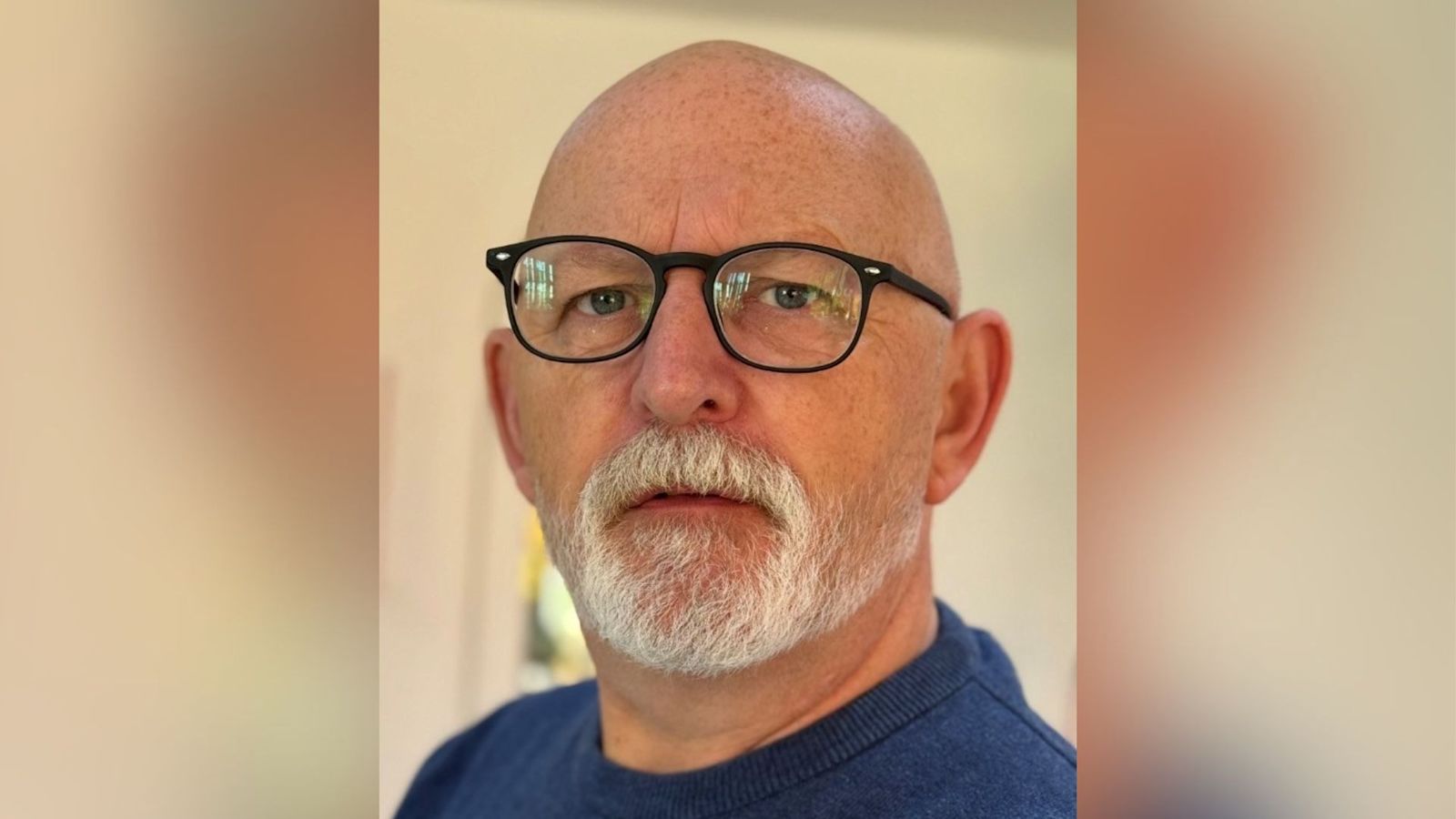
For context on the human impact, the inquest discussed the death of Shaun Burton, with the hearing noting the driver died from traumatic injuries and the inquiry opened at Ampthill and adjourned after a brief six-minute session. The Nottingham service and the 360 were involved on the afternoon of 19 June.
4
The incident left a substantial number of hospital-treated injuries: 102 of the 162 people injured required hospital treatment, underscoring the severity of the crash.
Shaun Burton, 60, the driver of an East Midlands Railway train that crashed near Bedford on June 19, has died from traumatic injuries to the brainstem and chest, an inquest has heard. His train struck the rear of a stationary service near Elstow at 49 mph, injuring 162 people — 102 of whom needed hospital treatment. ITV News reported the inquest opened at Ampthill before adjourning after just six minutes.
Burton was driving a Class 360 service that left Bedford at around 17:10 on June 19. The collision happened just four minutes later, at approximately 17:14. Investigators are now piecing together exactly why the train did not stop in time.
Two Trains, One Fatal Collision Near Elstow
Burton's Class 360 train was running from Corby to London St Pancras International. It rear-ended a stationary Class 810 Nottingham–St Pancras service near Elstow, just south of Bedford. The Class 810 had stopped because of an Automatic Warning System (AWS) fault — a safety device that alerts drivers to signals ahead. According to Wales Online, the 810 had overtaken the 360 earlier after that fault developed.
The 360 then left Bedford on the Up Slow track, crossed onto the Up Fast, and passed a yellow signal — a caution warning — before reaching a red stop signal. Daily Mail reported that preliminary data show the train was travelling at about 77 mph before emergency braking kicked in, cutting speed to 49 mph at the moment of impact.
Signal Faults and AWS Questions Dominate Early Inquiry
The Rail Accident Investigation Branch (RAIB) has released interim findings. CCTV footage shows the leading signal was showing red as the trains approached each other. Investigators are looking at whether the AWS equipment was working properly and how Burton perceived the signals in the moments before impact.
The RAIB has said it is not yet possible to confirm exactly what signal indication Burton received. The British Transport Police are also running a separate investigation. Both probes aim to answer key questions: Did the AWS warn the driver? Did he respond? Were there any equipment failures on the 360?
162 Injured, Driver Dies: The Human Cost of the Crash
The collision injured 162 people across both trains. Of those, 102 required hospital treatment, making this one of the most damaging rail crashes in Britain in recent years. Shaun Burton did not survive. According to ITV News, he died from traumatic injuries to the brainstem and chest — injuries consistent with a high-force frontal impact.
The inquest into Burton's death opened briefly at Ampthill and was adjourned to a later date. My London noted the hearing lasted just six minutes. No date has yet been set for the full inquest, which will depend in part on the progress of the RAIB and British Transport Police investigations.
What Investigators Still Need to Answer
Authorities are focused on three key questions. First, was the AWS on the Class 810 faulty in a way that affected signalling for the Class 360 behind it? Second, did Burton receive any warning before the red signal? Third, was there enough time to stop even with full emergency braking from 77 mph?
The RAIB has made clear its findings so far are interim only. A full report will take longer to complete. Until then, East Midlands Railway, British Transport Police, and the RAIB are all running parallel inquiries. Daily Star reported the inquest will resume at a later date once those findings are further advanced.
Sentiment
Mostly NegativeNEGATIVENEUTRALPOSITIVE
Publishers
16
Articles
50
Reach
66
Topics
A
AnonymousAuthor


