Backup Camera Recall Crisis
Millions of US Vehicles Face Recalls as Faulty Backup Camera Systems Raise Safety Concerns
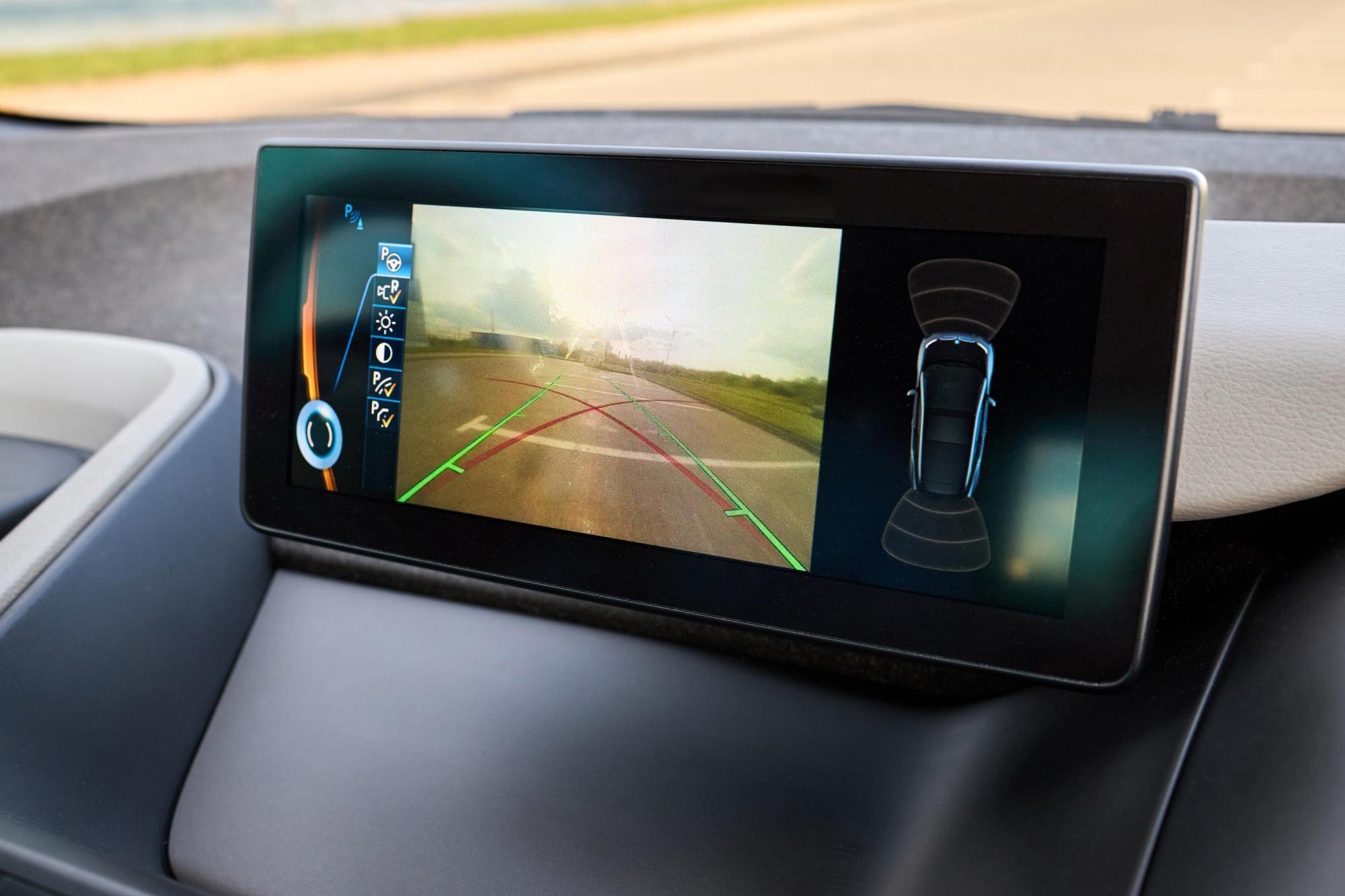
Faulty backup cameras are plaguing tens of millions of American cars, triggering a wave of recalls and consumer complaints. According to a Bloomberg analysis of National Highway Traffic Safety Administration data, automakers have recalled roughly 21 million vehicles for backup camera problems since the U.S. mandated the safety feature — with nearly 6 million of those recalls coming in just the last year.
When other vehicle types covered by the mandate are included, the total number of affected vehicles climbs to nearly 28 million. Nearly 2,000 complaints about faulty rearview camera systems have been lodged with U.S. auto safety regulators, according to Twin Cities.
How a Safety Mandate Became a Reliability Problem
The U.S. government required backup cameras in all new passenger vehicles starting in 2018. The goal was simple: prevent drivers from hitting people or objects behind them. But the mandate pushed automakers to quickly integrate complex new technology into their cars. That rush created lasting problems.
Engineers say the trouble often comes from how several parts work together. Displays, processors, and wiring must all communicate perfectly. When any one piece fails or degrades, the camera can go black, freeze, or show a distorted image — often at the worst possible moment.
Ford Leads Recalls With 1.7 Million Vehicles
In March, Ford Motor Co. recalled about 1.7 million vehicles due to backup camera failures, according to Press Enterprise. That recall alone accounts for a significant share of the nearly 6 million vehicles recalled for camera problems in the past year. Ford has not been alone — multiple major automakers have issued similar actions.
The sheer volume of recalls signals that camera failures are not a one-brand or one-model issue. They reflect an industry-wide struggle to make sophisticated electronics hold up over years of heat, vibration, and everyday wear.
Backup Cameras Rank Among Most Frustrating Car Features
Backup cameras have ranked in the top 10 most-troublesome vehicle features every year since 2022, according to JD Power. That is a striking result for a feature designed to make driving safer. Owners report cameras that go dark in cold weather, lag before showing an image, or simply stop working without warning.
Consumer frustration is growing. Nearly 2,000 complaints have been filed with regulators, and experts warn the number could rise as older camera-equipped vehicles age. The systems that seemed cutting-edge in 2018 are now years old — and showing their limits.
What Drivers Should Know About Camera Failures
A backup camera failure is more than an inconvenience. These systems are meant to protect children and pedestrians who are invisible in a driver's mirrors. When a camera fails silently — showing a frozen or blank screen — a driver may not realize they have lost that protection.
Drivers should check NHTSA's website to see if their vehicle is part of an open recall. If a backup camera goes dark or lags consistently, that is a warning sign worth reporting. Dealers are required to fix recalled parts at no cost to the owner.
Sentiment
NeutralPublishers
18
Articles
18
Reach
18


