Xinjiang Rally Test
Elite Riders Tackle Xinjiang in the 2,500-Kilometer China DHD Rally
Anonymous
Key Points
1
The longest individual stage exceeds 300 kilometers, reflecting an expansion of stage lengths compared with previous editions.
2
The opening section of Special Stage 1 places particular emphasis on heading-based navigation, while the first half of Special Stage 2 features fish-scale dunes and water-scoured dry riverbeds.
3
French rider Niels Terrick, the 2025 China DHD Rally Group A champion, leads Kove Rally Team; Czech rider Milan Engel, a 12-time Dakar competitor, holds the event’s official “Legendary Rider” title.
4
Mongolian rider Muren heads Sipusen Rally Team after placing 29th overall in the motorcycle category at the 2026 Dakar Rally.
5
Deng Liansong of the debuting Zhang Xue Motorcycle Racing Team enters as the 2025 China DHD Rally’s Local Group winner and Unsupported Motorcycle Group champion.
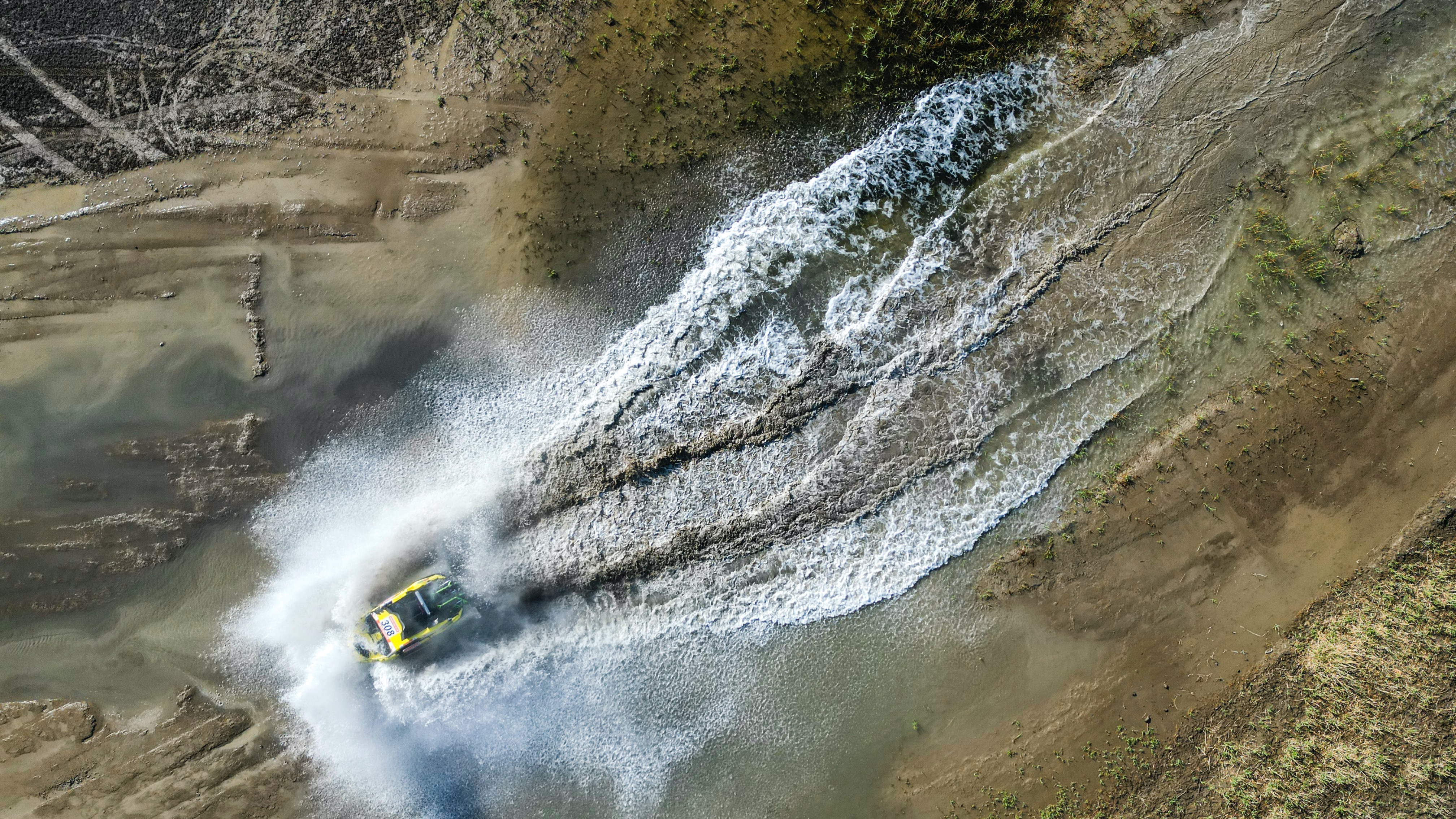
The 2026 China DHD Rally is underway across Xinjiang's Hami and Turpan deserts from September 4–11, stretching 2,500 kilometers with 1,300 kilometers of timed racing stages WBOC. Thirty-nine competitors—31 motorcyclists and eight UTV drivers—are tackling dunes, dry riverbeds, and a grueling 400-kilometer marathon stage where riders must repair their own vehicles without help.
World-Class Riders Face Xinjiang's Harshest Terrain
The rally draws elite international talent. French champion Niels Terrick, who won the 2025 China DHD Rally, leads Kove Rally Team WBOC. Czech rider Milan Engel, a 12-time Dakar Rally veteran, holds the event's "Legendary Rider" title. Mongolian racer Muren, who finished 29th at the 2026 Dakar Rally, heads Sipusen Rally Team.
Local challenger Deng Liansong enters as the 2025 China DHD Rally's Local Group winner and Unsupported Motorcycle champion, competing for the debuting Zhang Xue Motorcycle Racing Team WBOC. The field includes experienced Kove Rally and MRG-Kove Rally teams alongside newcomers.
Longest Stages Push Riders to Their Limits
Stage lengths have expanded dramatically. The longest individual stage exceeds 300 kilometers, testing rider endurance and self-sufficiency WBOC. The 400-kilometer marathon stage requires competitors to maintain and repair machines without pit crew assistance, making it the rally's ultimate physical and technical challenge.
Early stages emphasize navigation skills. Special Stage 1 opens with heading-based navigation tests in open terrain WBOC. Special Stage 2's first half features fish-scale dunes and water-scoured dry riverbeds, demanding precision and aggression in rapid succession.
Desert Navigation Tests Riders Before Speed Challenges
The route mixes navigation puzzles with raw speed trials. A qualifying stage sets the pace before six special stages unfold across pure desert and rocky terrain WBOC. Riders must read maps accurately while threading through featureless dunes and ancient riverbeds.
The course design rewards versatility. Riders need sharp navigation skills for heading-based sections, technical ability for dune driving, and mechanical knowledge for the marathon stage WBOC. This mix separates seasoned rally veterans from newcomers in the ultra-competitive National Group A field.
Sentiment
Mostly PositiveNEGATIVENEUTRALPOSITIVE
Publishers
21
Articles
124
Reach
145
A
AnonymousAuthor


