US-Iran Tensions Soar
US Airstrikes Target Iran After Troop Death; Tehran Retaliates Against Gulf States
Anonymous
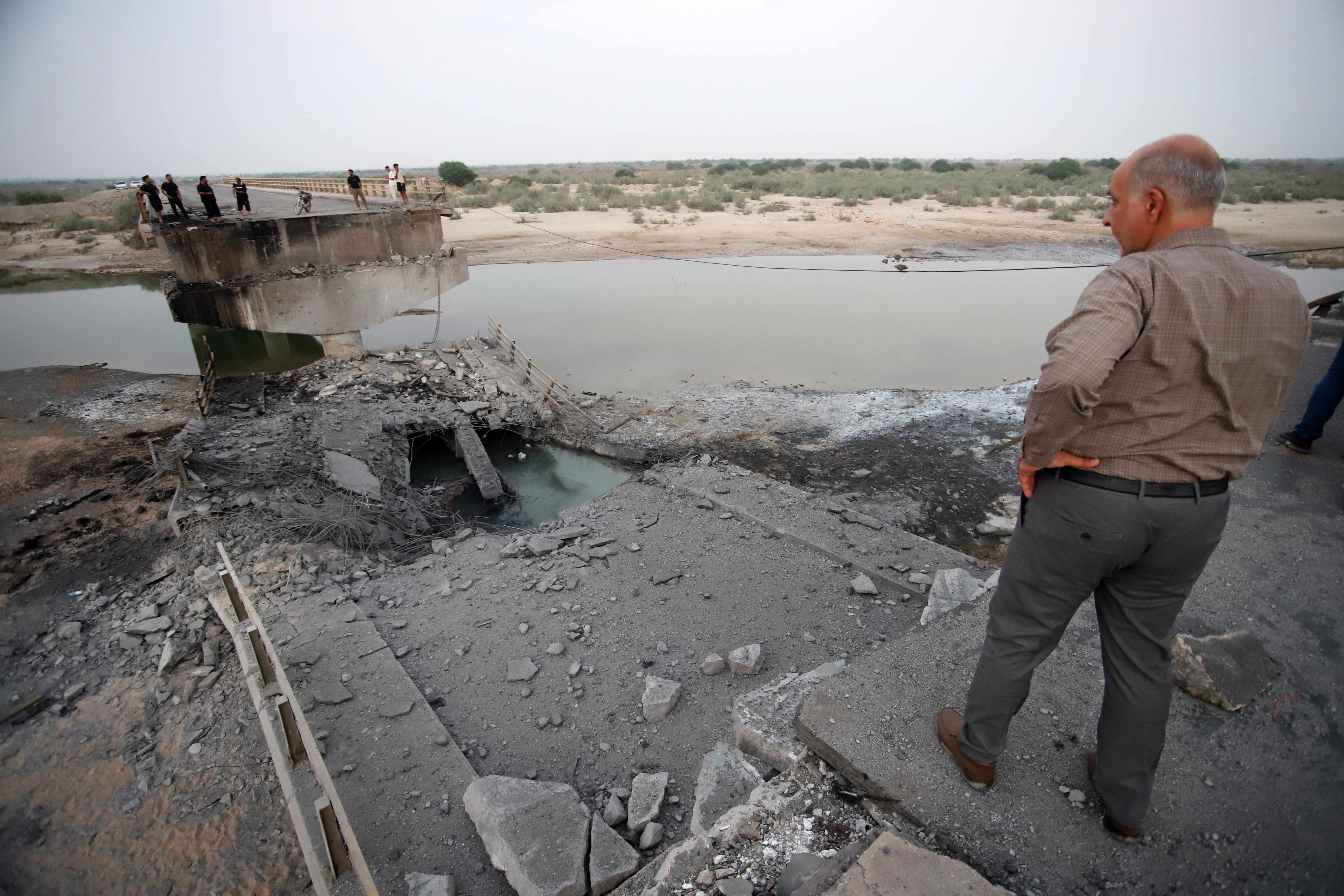
The United States expanded its air campaign against Iran after announcing the death of another American service member, launching a new wave of strikes on Tabriz — a northwestern city believed to hold underground missile bases, according to NBC News. Iran struck back hard, firing on Bahrain, home to the U.S. Navy's 5th Fleet, and launching attacks on Kuwait.
The escalation pushed Brent crude oil prices above $90 a barrel, deepening a global energy crisis. The U.S. also imposed a naval blockade on Iranian ports to stop crude oil shipments, according to NBC DFW.
U.S. Strikes Hit Tabriz as American Soldier Dies
U.S. Central Command said it hit Iranian military command centers, air defense sites, coastal surveillance posts, maritime assets, missile and drone launch sites, and communications networks, according to NBC Washington. The targeting of Tabriz marks a geographic expansion of the campaign deeper into Iranian territory.
The strikes came after the Pentagon confirmed the death of another U.S. service member. The loss appeared to trigger the latest round of attacks. It is not yet clear how the soldier died or where they were stationed, according to NBC New York.
Iran Hits Bahrain and Kuwait in Retaliation
Iran responded to the U.S. strikes by attacking Bahrain and Kuwait. Bahrain hosts the U.S. Navy's 5th Fleet, making it one of America's most critical military hubs in the Gulf. Striking it signals Iran is willing to go after major American assets in the region, according to NBC Los Angeles.
Both sides have now hit civilian infrastructure. The U.S. has threatened to target Iran's power stations and bridges to force Tehran to loosen its grip on the Strait of Hormuz — the narrow waterway through which a large share of the world's oil flows, according to NBC News.
Oil Tops $90 as Naval Blockade Squeezes Iran
Brent crude climbed above $90 a barrel as the conflict rattled global energy markets. The U.S. naval blockade on Iranian ports is cutting off Tehran's crude oil exports, adding further pressure to global supply, according to NBC DFW.
Iran controls the Strait of Hormuz, and any prolonged closure would choke off a major artery for global oil shipments. Analysts warn that if the strait shuts down, prices could spike far higher. The blockade and the strikes together are designed to squeeze Iran economically and militarily at the same time, according to NBC New York.
Civilian Infrastructure Targeted on Both Sides
The war has moved beyond purely military targets. Both the U.S. and Iran have struck or threatened civilian infrastructure. Washington has specifically named Iran's power stations and bridges as potential targets, according to NBC Washington.
That strategy aims to increase pressure on the Iranian government by hitting the systems ordinary Iranians depend on. It is a significant escalation. Attacking power grids and bridges risks widespread civilian harm and could draw international condemnation, according to NBC Los Angeles.
Sentiment
NeutralNEGATIVENEUTRALPOSITIVE
Publishers
5
Articles
5
Reach
5
Topics
A
AnonymousAuthor