Rohingya Repatriation
Myanmar Verifies Over 300,000 Rohingya Refugees for Repatriation as Crisis Enters Ninth Year
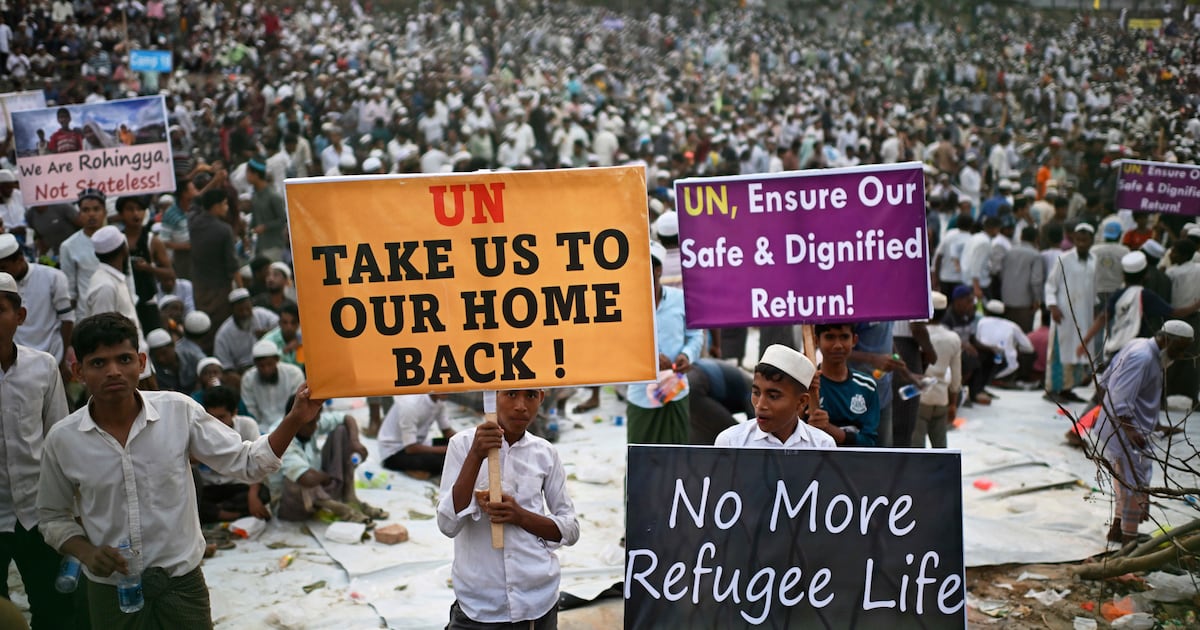
Myanmar's military-backed government says it has verified over 300,000 Rohingya refugees in Bangladesh as former residents of western Rakhine state, according to AP News. The announcement marks a potential step toward repatriation — but comes nearly nine years after the original mass exodus, with hundreds of thousands still living in crowded camps.
Myanmar's Ministry of Foreign Affairs said it will continue working with Bangladesh to bring verified refugees home — but only when the security situation in Rakhine becomes more stable, AP News reported.
What Sparked the Rohingya Crisis in 2017
The crisis began in August 2017. Myanmar's military launched a sweeping crackdown in Rakhine state after a Rohingya insurgent group attacked police posts. Within weeks, more than 700,000 Rohingya fled across the border into Bangladesh, AP News reported.
The international community condemned the operation. World leaders and human rights groups accused Myanmar's military of ethnic cleansing and genocide. The United Nations called it a "textbook example of ethnic cleansing." The crisis is now entering its ninth year with no lasting solution in place.
Myanmar Refuses to Recognize Rohingya as Citizens
A key barrier to return is how Myanmar views the Rohingya. The government does not recognize them as one of the country's 135 lawful ethnic minorities, WSBTV reported. Instead, officials call them "Bengalis" — a term meant to imply they are immigrants from Bangladesh, not native residents of Myanmar.
This matters because without legal recognition, returning Rohingya have no guaranteed rights or protections. Critics say verifying refugees for repatriation means little if the underlying discrimination stays in place. Rights groups have long warned that conditions in Rakhine remain unsafe for return.
300,000 Verified — But Rakhine Remains a War Zone
Myanmar's Foreign Ministry confirmed that over 300,000 people have been verified as former Rakhine residents, according to AP News. That is a significant number — but it is still a fraction of the roughly one million Rohingya living in Bangladesh's camps today.
The ministry said repatriation will only move forward when security in Rakhine improves. That caveat is significant. Fighting between Myanmar's military and armed resistance groups has intensified since the 2021 coup. Large parts of Rakhine state are active conflict zones, making safe return nearly impossible right now, Dayton Daily News noted.
Refugee Camps in Bangladesh Remain Dangerously Overcrowded
The Rohingya live primarily in Cox's Bazar, Bangladesh — home to one of the largest refugee camps in the world. Conditions there are harsh. Flooding, disease, and violence are constant threats. Bangladesh has pushed for years for a faster repatriation process, WBOC reported.
Previous repatriation attempts have failed. In 2019, officials tried to send refugees back voluntarily. No one agreed to go. Refugees said they feared for their safety and had no guarantee of citizenship or rights back home. The new verification announcement has so far drawn similar skepticism from refugee advocates.
Sentiment
NeutralPublishers
9
Articles
8
Reach
9


