Bulgaria Halts Ukraine Aid
Bulgaria Becomes First NATO Member to Withdraw from Ukraine Aid Coalition
Anonymous
Key Points
1
Bulgaria will halt state-level arms transfers to Ukraine, effectively ending the government stockpile pipeline that had dispatched 13 packages since the invasion began in 2022; however, the private defense sector may continue commercially selling weapons to Kyiv.
2
Defense Minister Dimitar Stoyanov indicated in June that Sofia plans to halt all weapon deliveries to Kyiv, underscoring a shift in official policy even as private sales could persist.
3
Bulgaria vetoed EU sanctions on Patriarch Kirill, the head of the Russian Orthodox Church and an ally of Vladimir Putin, from the EU sanction list, signaling nuanced diplomatic positioning.
4
Rumen Radev has argued that the conflict should be resolved through diplomacy rather than prolonged military action, and he has suggested that the idea of an international tribunal for Vladimir Putin would only make sense if Putin could be physically detained.
5
Radev declined Emmanuel Macron’s invitation to join the Coalition of the Willing, and Bulgaria did not send a representative to the Paris meeting, emphasizing that Bulgaria’s security interests are addressed within NATO and EU frameworks and that the path forward is diplomatic.
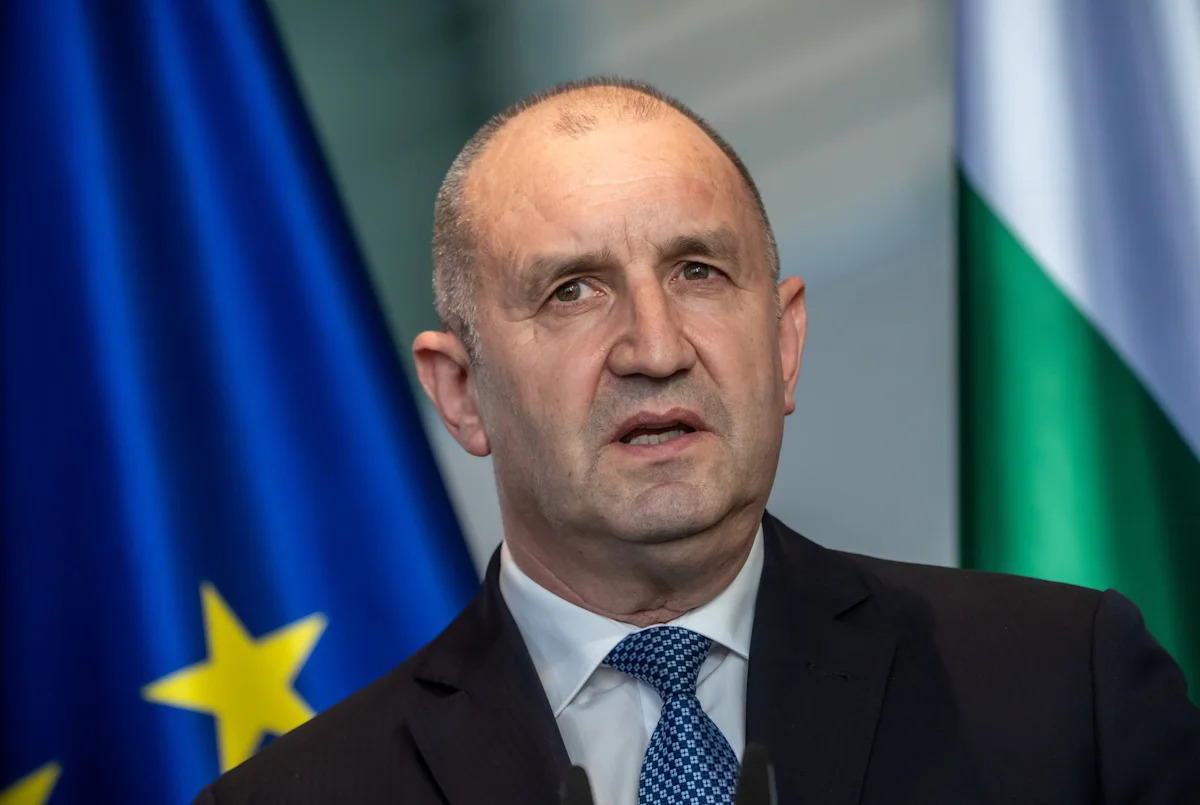
Bulgaria has formally withdrawn from the Coalition of the Willing, becoming the first NATO member to pull back from the group coordinating military and financial support for Ukraine, according to Ukrinform. Prime Minister Rumen Radev made the announcement, framing the move as a push toward diplomacy and a focus on Bulgaria's own security needs.
Radev declined a personal invitation from French President Emmanuel Macron to join the coalition and did not send a representative to the Paris meeting, Caliber.az reported. Bulgaria will now halt state-level arms transfers to Kyiv, ending a pipeline that had delivered 13 aid packages since Russia's invasion began in 2022.
Sofia Ends Government Arms Pipeline to Kyiv
Defense Minister Dimitar Stoyanov confirmed in June that Bulgaria plans to stop all weapon deliveries to Ukraine, United24 Media reported. The government stockpile pipeline — which had sent 13 packages of military aid since 2022 — will shut down completely at the state level.
However, Bulgaria's private defense industry may still sell weapons to Ukraine on a commercial basis, Crypto Briefing noted. That means some arms could keep flowing, just without direct government involvement. The distinction matters: state-level transfers signal official policy, while private sales are harder to control or stop.
Radev Pushes Diplomacy Over Military Support for Ukraine
Radev has argued that the war must be resolved through talks, not weapons. He told reporters that an international tribunal for Vladimir Putin would only make sense if Putin could actually be detained — a pointed swipe at symbolic gestures from Western leaders, according to Yahoo News.
He has also repeatedly criticized the idea of prolonging the conflict through continuous military aid. Radev says Bulgaria's security needs are already covered inside NATO and EU structures. He sees the Coalition of the Willing as a parallel track that goes beyond those frameworks — and one Bulgaria does not need to join.
Bulgaria's Ties to Russia Complicate Its Western Alignment
Bulgaria's move is not entirely surprising given its history. The country shares deep cultural and religious ties with Russia, and those links shape its politics. In a striking example, Bulgaria vetoed EU sanctions against Patriarch Kirill — the head of the Russian Orthodox Church and a close ally of Putin — keeping him off the bloc's official sanctions list, United24 Media reported.
That veto drew sharp criticism from EU partners. Critics say it signals that Sofia is willing to shield Russian figures with significant political influence, even as the war grinds on. The weapons halt and the coalition exit together paint a picture of a government walking a careful line between its Western alliances and its ties to Moscow.
Cracks Widen in Europe's United Front on Ukraine
Bulgaria's exit is the first time a NATO member has formally stepped back from the coalition, Crypto Briefing reported. The move deepens divisions inside the Western alliance at a moment when European leaders have been pushing for stronger, not weaker, support for Kyiv.
Macron had personally invited Radev to join the group in an effort to broaden the coalition's reach across Eastern Europe. That invitation was rejected outright. Bulgaria insists it remains a loyal NATO and EU member — but on Ukraine, Sofia is now clearly charting its own course, according to Ukrinform.
Sentiment
Mostly NegativeNEGATIVENEUTRALPOSITIVE
Publishers
12
Articles
5
Reach
17
A
AnonymousAuthor


