Texas App Age Law
Supreme Court Permits Texas to Enforce App Store Age Verification Law Amid Ongoing Legal Challenges
Anonymous
Key Points
1
Texas Solicitor General William Peterson argued that 'the modern digital world is different' from the physical world, and that children can access 'any conceivable content' online without parental knowledge, making age verification necessary.
2
The Computer & Communications Industry Association asserted that 'No state has ever required its citizens to prove their age before reading a newspaper, entering a bookstore, or even accessing the internet,' adding that Texas's law would apply 'to every mobile app on every mobile phone.'
3
Justice Samuel Alito issued one-sentence orders denying petitions, effectively allowing Texas to enforce the App Store Accountability Act to proceed while the broader constitutional challenges continue.
4
A 5th U.S. Circuit Court of Appeals panel previously overturned a district court injunction, clearing the path for the law to take effect as litigation proceeds.
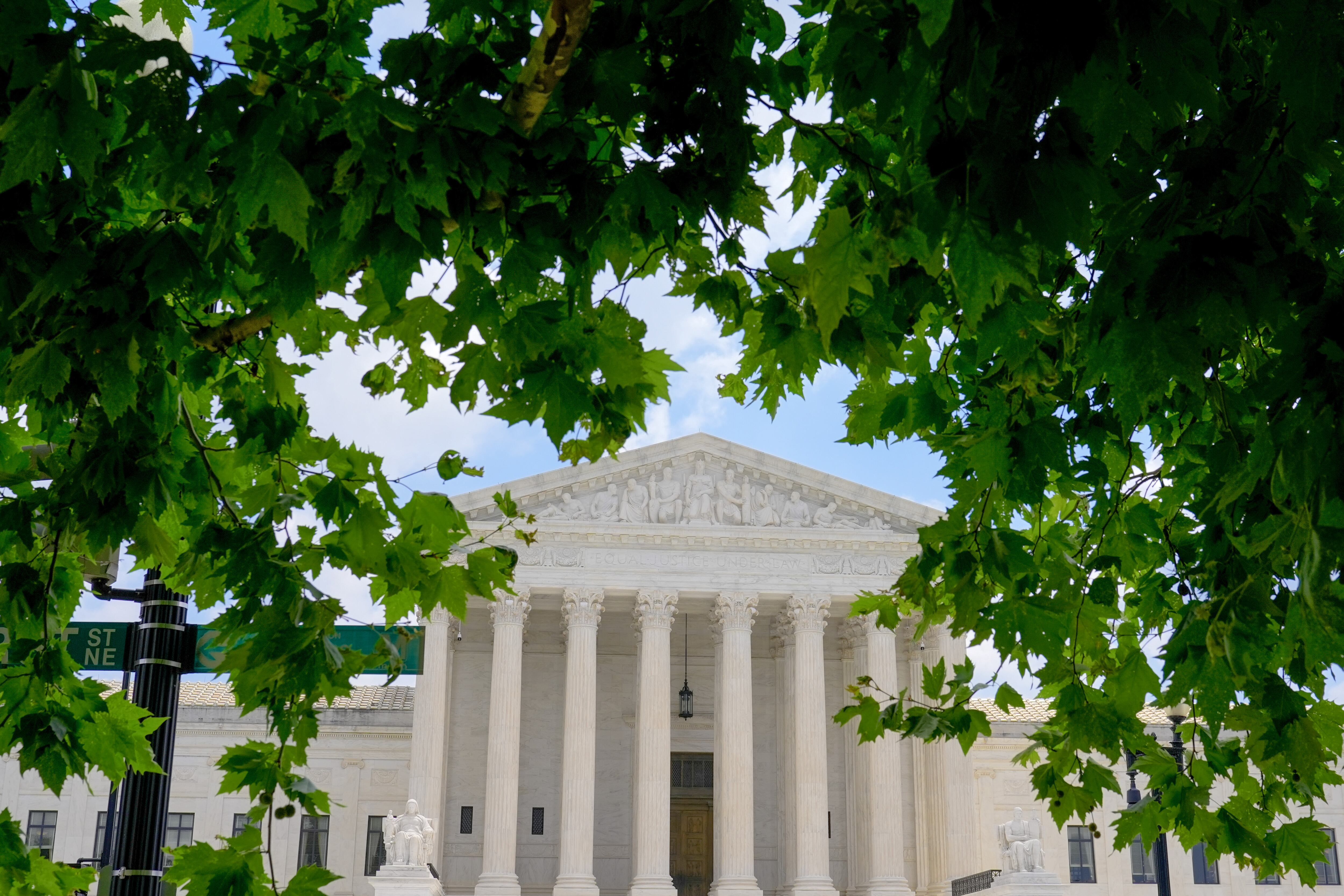
The U.S. Supreme Court has allowed Texas to keep enforcing a law that requires app stores to verify users' ages before minors can download apps, according to CNET. The law, called the App Store Accountability Act, also requires parental consent before children under 18 can make in-app purchases.
The Court's order came through the emergency docket with no written explanation and no recorded dissents, KSAT reported. The decision means the law stays in effect while legal challenges continue in lower courts.
What the Texas Law Actually Requires
The App Store Accountability Act, signed by Governor Greg Abbott, ties under-18 accounts to a parent or guardian. Before a minor can download any app, the app store must notify the parent of the app's age rating and get explicit approval, according to Daily Texas News.
The law applies to every app store operating on mobile devices in Texas. That means platforms like Apple's App Store and Google Play would need to build age-check systems into their download process for all Texas users.
How the Case Reached the Supreme Court
A federal district court had previously blocked the law with an injunction. But a panel from the 5th U.S. Circuit Court of Appeals overturned that block, clearing the way for enforcement to begin, according to KSAT.
The challengers — the Computer & Communications Industry Association and a group called Students Engaged in Advancing Texas — then asked the Supreme Court to step in. Justice Samuel Alito issued one-sentence orders denying their request, effectively letting the law proceed while the broader legal fight plays out.
Texas Says Kids Face Unique Dangers Online
Texas Solicitor General William Peterson made the case that digital life is different from the physical world. He argued that children can access "any conceivable content" online without parents ever knowing, making age checks a necessary safeguard.
Supporters say the law protects minors from data privacy risks, inappropriate content, and other online harms. They argue parents have a right to know what apps their children are downloading, Fox RGV reported.
Critics Warn the Law Threatens Free Speech
Opponents pushed back hard on First Amendment grounds. The Computer & Communications Industry Association argued that "no state has ever required its citizens to prove their age before reading a newspaper, entering a bookstore, or even accessing the internet."
Critics say forcing platforms to check IDs before every app download sets a sweeping precedent. The association warned the law would apply "to every mobile app on every mobile phone," according to Head Topics. The legal battle is expected to continue through the lower courts.
Sentiment
Mostly NegativeNEGATIVENEUTRALPOSITIVE
Publishers
14
Articles
120
Reach
134
A
AnonymousAuthor


