Grocery Price Slowdown
UK Grocery Price Inflation Drops to Lowest Since Late 2024; Annual Bills Still Higher
Anonymous
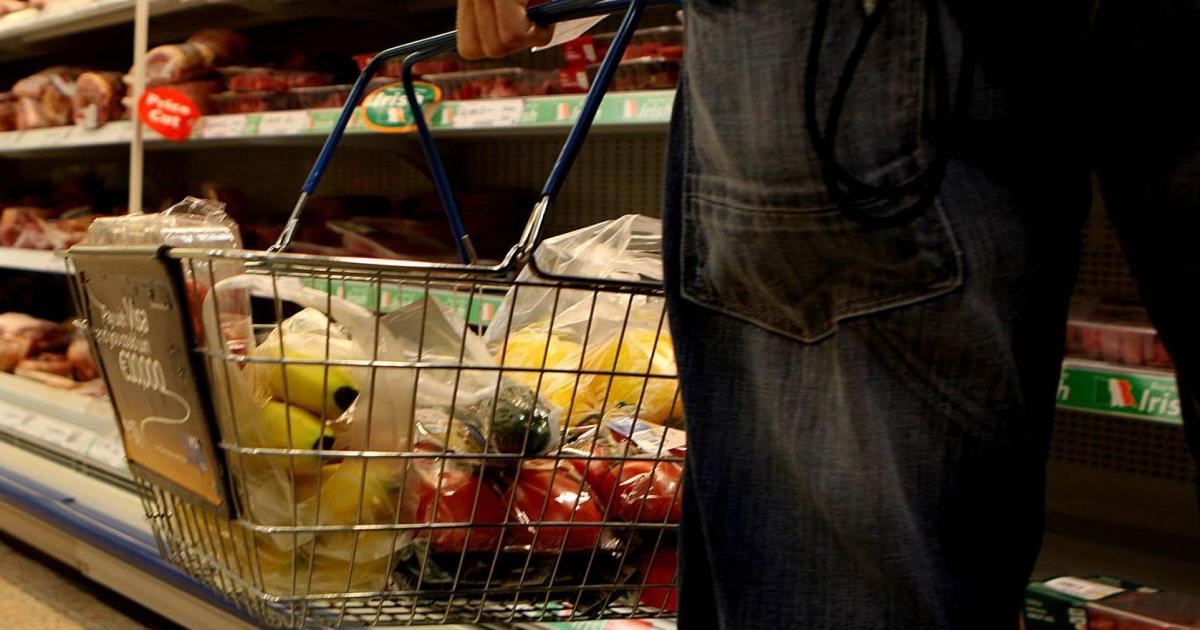
UK grocery price inflation has dropped to its lowest point since December 2024, falling to 2.6% in the four weeks to July 12, according to Worldpanel by Numerator. That marks a clear step down from June's 3% rate — welcome news for shoppers who have faced relentless food price rises over the past two years.
Even so, the average UK household spent £5,530 on groceries in the 12 months to July — £156 more than the same period a year earlier, STV News reported. Prices are rising more slowly, but they are still rising.
What's Driving the Slowdown in Food Prices
The drop in inflation was partly driven by the Cricket World Cup and a summer heatwave, according to STV News. Both events pushed shoppers into stores more often, which boosted competition between supermarkets. Grocers responded by holding prices down to win more basket spend.
Shoppers made 497 million supermarket trips over the period. That is the highest number since March 2020 — the month the UK went into its first Covid lockdown, The Argus noted. More trips means more competition for every purchase.
Households Still Paying £156 More Than Last Year
The average annual grocery bill now stands at £5,530 — up £156 year on year, according to York Press. That works out to roughly £3 more per week compared to a year ago. The slowdown in inflation does not mean prices are falling. It just means they are rising less quickly.
For families already stretched by higher energy and housing costs, that extra £156 still adds up. The pace of relief matters as much as the direction, and so far the easing has been gradual, North Wales Pioneer reported.
Lidl Gains Ground as Morrisons Holds 8.5% Share
Among the major supermarkets, Lidl was the biggest winner. Its market share rose by 0.5 percentage points over the last quarter — the largest gain of any grocer, South Wales Argus reported. The German discounter has consistently grown its slice of UK grocery spending as shoppers hunt for value.
Morrisons held 8.5% of the market over the same period, Wimbledon Guardian noted. The supermarket has faced turbulence in recent years under private equity ownership, but that share figure suggests it is holding its position among the UK's big four chains.
What Shoppers Can Expect in the Months Ahead
A rate of 2.6% is still above the Bank of England's general 2% inflation target for the broader economy. Food prices have been among the stickiest categories to cool down. Analysts will watch whether the summer trend holds into autumn, when energy costs and seasonal demand tend to push bills higher again.
The data comes from Worldpanel by Numerator, which tracks real purchases by UK households. Their figures are closely watched as an early signal of where household budgets are heading, The Comet reported. If the trend continues, annual grocery bills could start to level off by the end of 2025.
Sentiment
NeutralNEGATIVENEUTRALPOSITIVE
Publishers
8
Articles
8
Reach
8
Topics
A
AnonymousAuthor


