Escalating Mideast tensions
Vessel attacked in Hormuz, Israeli strike kills seven in Lebanon amid regional tensions
A vessel was attacked in the Strait of Hormuz, according to NBC San Diego, marking the third such attack on an ADNOC-operated ship in just one week. The Strait of Hormuz has been virtually closed since the Iran war began on February 28, and this latest incident is deepening fears about global shipping disruptions.
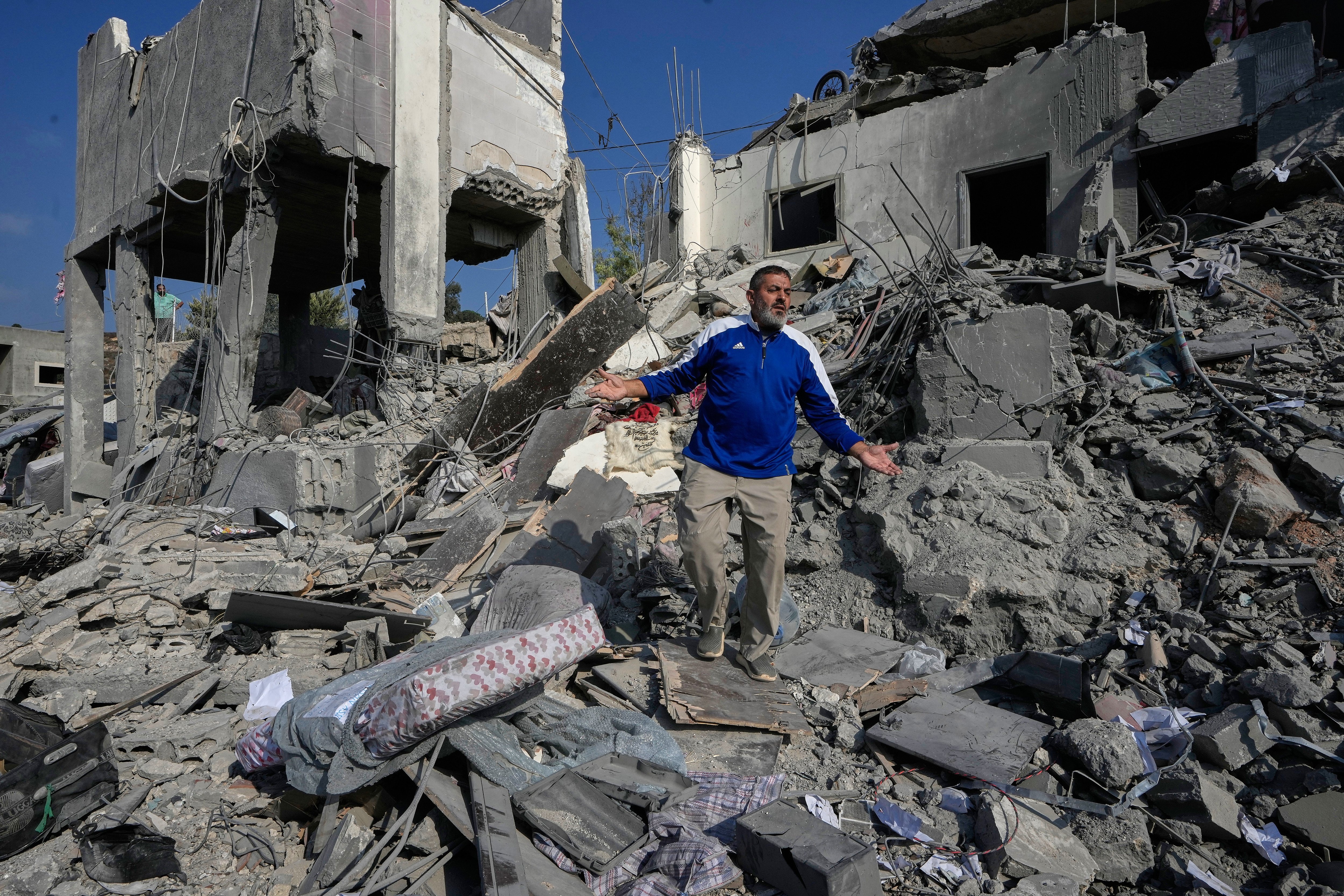
Meanwhile, an Israeli strike killed seven people in southern Lebanon — one of the deadliest single attacks since a ceasefire between Israel and Hezbollah took effect on June 20, according to NBC Philadelphia. Houthi fighters also attacked a Red Sea port controlled by Yemen's internationally recognized government, killing at least one security guard.
Third ADNOC Vessel Hit in Hormuz in One Week
The attack on the ADNOC vessel is the third in the Strait of Hormuz within seven days, according to NBC Bay Area. The UAE's national oil company, ADNOC, operates ships through the strait — a narrow waterway that is critical for global oil and gas shipments. The UAE has previously blamed Iran for these attacks but did not immediately comment on this latest incident.
The strait has been effectively shut down since Iran and the US-Israeli coalition went to war on February 28. Before the closure, the strait carried roughly 20% of the world's oil supply. Each new attack pushes that timeline for reopening further away and adds pressure to already strained global energy markets, according to NBC Chicago.
Israeli Strike Kills Seven in Southern Lebanon
An Israeli strike in southern Lebanon killed seven people, making it one of the deadliest attacks since a truce between Israel and Hezbollah went into effect on June 20, according to NBC Washington. The ceasefire was meant to pause months of cross-border fighting, but this strike signals that the calm may be breaking down.
Seven deaths in a single strike is a significant toll under a truce that both sides agreed to. It is not yet clear who the victims were or what the specific target was. Israel has not publicly commented on the strike, which is consistent with its usual practice of not confirming individual operations in Lebanon.
Houthis Strike Yemen's Red Sea Port, Guard Killed
Houthi fighters attacked a Red Sea port under the control of Yemen's internationally recognized government, according to NBC San Diego. At least one security guard was killed in the assault. The port targeted is in territory loyal to the government, not Houthi-held land — making the strike a direct blow against their rivals.
The Houthis have continued to carry out attacks on both shipping lanes and rival-controlled territory throughout the broader regional conflict. Their strikes on Red Sea ports threaten one of the few remaining functional trade routes as the Strait of Hormuz closure forces ships to seek alternative paths, according to NBC Philadelphia.
A Region Stretched Thin Across Multiple Fronts
The Middle East is now seeing simultaneous flashpoints: attacks in the Strait of Hormuz, Israeli strikes in Lebanon, and Houthi action in Yemen. Each front is separate but connected. Iran's influence runs through all three — its proxies are active in Lebanon and Yemen, and Tehran has been accused of the Hormuz ship attacks, according to NBC Bay Area.
With the Iran war now in its second month and global shipping under heavy strain, pressure is building on world powers to find a diplomatic path forward. So far, no ceasefire talks have been reported between the major parties, and the pace of attacks across the region shows no sign of slowing, according to NBC Chicago.
Sentiment
NeutralPublishers
5
Articles
5
Reach
5


