Western Water Crisis
US West Drought Worsens as Farms and Towns Scramble for Critical Water Resources
Anonymous
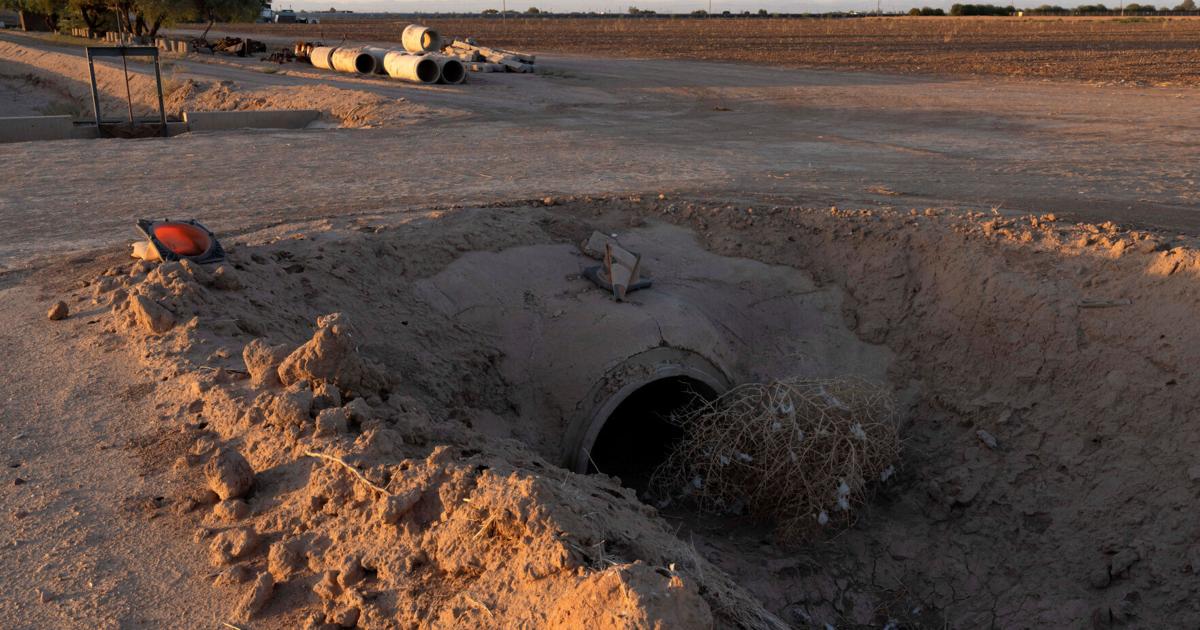
A severe drought is strangling the American West, and the damage is already visible. Dead fish rot in the dry bed of Arizona's San Carlos Reservoir, which sits at just 1% capacity AP News. A Utah town of 330 people could run out of drinking water within months. A Colorado rancher has sold off a fifth of her cattle herd because her stock ponds are empty.
The crisis stretches across the entire Colorado River basin, which supplies water to roughly 40 million people in seven states. This summer's collapse follows a record-low winter snowpack that peaked three weeks early in Utah in March 2026 — and then vanished fast in record heat AP News.
Arizona Farms Run Dry as Reservoir Hits Rock Bottom
Nancy Caywood co-owns a 250-acre alfalfa and cotton farm in Casa Grande, Arizona. Her water comes from the San Carlos Reservoir on the Gila River. In late March 2026, her canal ran completely dry. She still owes a flat $21,000 annual fee to her water district — even though no water arrived AP News. "We have hung on for almost 30 years," Caywood said. Now solar developers are knocking on her door, asking to buy her land.
By early June, the reservoir had suffered a 100% fish kill. The combination of extreme low water and necessary dam releases wiped out all fish life. Nearby, fifth-generation farmer Jace Miller left more than half his fields fallow after losing his Colorado River allocation AP News. Miller argues that Arizona should find new water sources rather than strip farms of their rights to feed growing cities.
Utah Town of 330 Faces Running Out of Water
Emery, Utah is a small town with a big problem. On June 18, Mayor Jack Funk held an emergency meeting with state and federal officials. The cause: Muddy Creek, Emery's water source, was running at just 6% of its normal flow AP News. "Everyone thought we wouldn't run out of water because Emery is not a large town, but we have," Funk said.
If the creek drops further, the town may have to truck in drinking water. Experts warn that hauling water is extremely expensive and could push small rural communities like Emery toward economic collapse and mass departure AP News.
Colorado Ranchers Sell Cattle as Hay Prices Triple
Robbie LeValley runs a fourth-generation cattle ranch in Hotchkiss, Colorado. This year, she sold one-fifth of her herd. Her stock ponds are empty and her hay crops dried up AP News. Hay prices on Colorado's Western Slope have tripled, making it too costly to feed the animals she kept. "We are not the issue," LeValley said, pushing back on claims that ranchers are wasting water.
Scientists see things differently. Dr. Brad Udall of Colorado State University warns that pumping groundwater as a backup fix is short-sighted. Heavy pumping collapses underground rock layers and causes the land above to permanently sink — a process called subsidence. That damage cannot be undone AP News.
Cities, Farms, and the Power Grid All Fight for the Same Water
Lake Mead, the West's largest reservoir, is at just 28% capacity. If it falls further, Hoover Dam could lose up to 70% of its hydropower output, threatening the regional electric grid AP News. On July 14, the Metropolitan Water District of Southern California agreed to leave 200,000 acre-feet of water in Lake Mead. The federal government will pay up to $65 million for that deal, funded by the 2022 Inflation Reduction Act.
The deeper fight is over who gets what's left. Urban planners argue water should go where it generates the most economic value — think semiconductor plants and housing. Farmers say cities are using growth as an excuse to grab land and water that feed the country. With the seven Colorado River states still unable to agree on new rules after 2026, that fight has no end in sight AP News.
Sentiment
NeutralNEGATIVENEUTRALPOSITIVE
Publishers
28
Articles
28
Reach
28
A
AnonymousAuthor