New U.S. Silver Giant
Bunker Hill and Silver47 Agree to Merge into New U.S.-Focused Mining Entity
Key Points
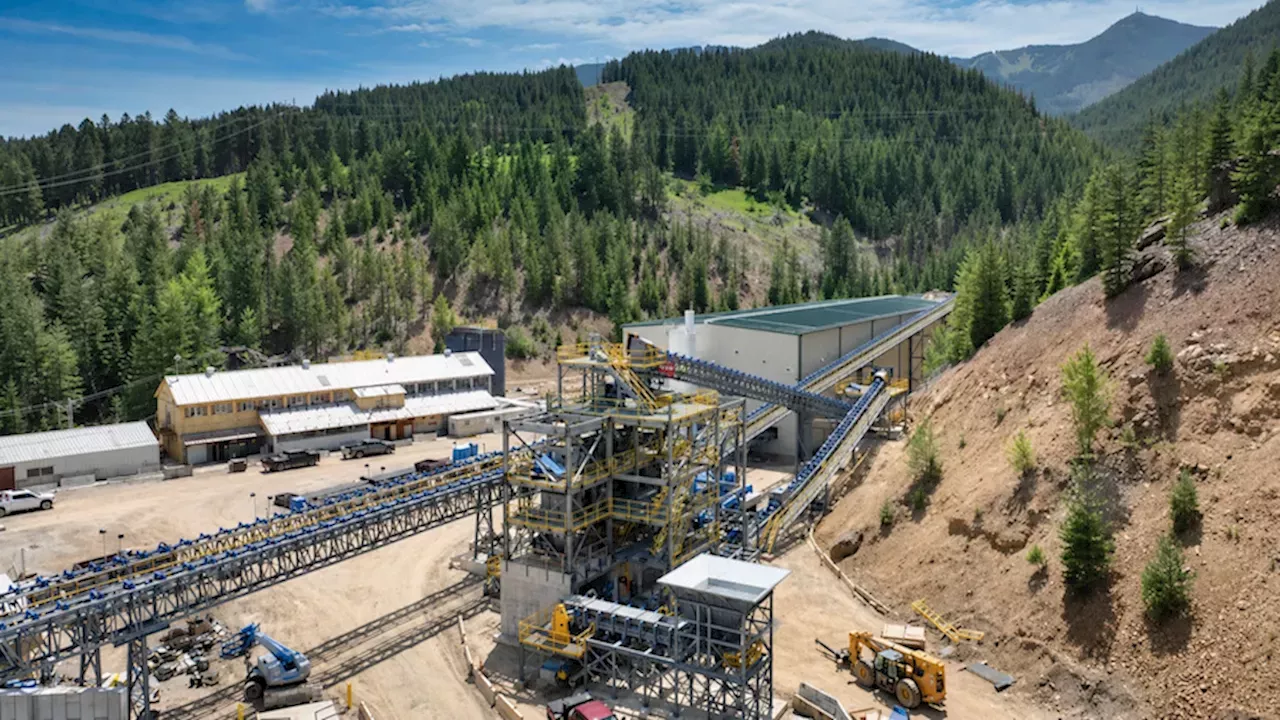
The merger links Bunker Hill's Idaho mine with Silver47's four U.S. exploration projects (Alaska, Nevada, and New Mexico), with a stated path toward more than 5 million silver-equivalent ounces of annual production.
The combined company will pursue a branding emphasis on a Made in America strategy, and will seek a name change to Bunker Hill Silver Corp while remaining listed on the TSX.
Market commentary highlights potential for broader institutional and index investor interest due to the merged entity's increased scale and liquidity.
Pre-merger financials show notable risks: GF Score of 22/100, a debt-to-equity ratio around 9.53, and no insider buying activity reported, underscoring valuation and leverage concerns.
Bunker Hill Mining and Silver47 Exploration agreed to merge in an all-stock deal valued at roughly $163 million, creating a larger U.S.-focused silver company. Head Topics reports that Silver47 shareholders will receive 0.1724 Bunker Hill shares for each share they own, representing a 38% premium. The combined company will trade on the TSX as Bunker Hill Silver Corp. and pursue a "Made in America" strategy targeting over 5 million silver-equivalent ounces of annual production.
The merger pairs Bunker Hill's operating Idaho mine with Silver47's four exploration projects in Alaska, Nevada, and New Mexico. Market Screener notes the deal closed August 20, 2026. Current Bunker Hill shareholders will own roughly 57% of the combined company, while Silver47 holders will own 43%. However, financial warning signs loom: the combined entity faces weak near-term earnings, high debt levels, and negative cash flow.
Combining an Operating Mine With Exploration Projects
Bunker Hill owns a silver mine in Idaho that is just entering production. The Deep Dive reports that Silver47 holds one of the deeper silver exploration portfolios in the region. Together, the merged company gains immediate production from Idaho plus development potential across multiple western U.S. states. This geographic diversification reduces risk and creates a larger pipeline of future silver supplies.
The combined portfolio aims to reach over 5 million silver-equivalent ounces annually. This scale matters for attracting bigger institutional and index investors. Mining.com reports the merged entity will emphasize its American operations and critical minerals focus. A larger, more liquid company attracts funds that require minimum portfolio sizes.
Steep Financial Hurdles and Valuation Concerns
The deal comes with significant financial headwinds. The combined company carries a debt-to-equity ratio around 9.53, meaning debt far outweighs shareholder equity. The GF Score — a measure of financial health — stands at just 22 out of 100. Negative cash flow shows the company is burning cash rather than generating it. No insider buying has been reported, a sign that company executives lack confidence in near-term prospects.
The merger does include some financial support tools. Head Topics notes the company secured a $10 million concentrate prepayment facility with Ocean Partners and a $1 million draw under a Teck facility. These funds support ramp-up and mine development. However, analysts say the merged company must quickly prove it can improve operations and attract investor confidence to justify its valuation.
A Strategic Bet on U.S. Silver and Critical Minerals
The "Made in America" branding strategy reflects broader investor appetite for domestically sourced critical minerals. The U.S. government has pushed for onshore supply chains to reduce dependence on foreign sources. Bunker Hill and Silver47 are positioning themselves as beneficiaries of this shift. The merged company will seek a formal name change to Bunker Hill Silver Corp. to emphasize its focus.
Market observers see both promise and risk. The increased scale and regional footprint open doors with larger institutional investors. Yet the path to profitability remains unclear given current debt levels and weak near-term cash flow. Market Screener reported the arrangement agreement closed in August 2026. Success depends on whether the combined company can ramp up production faster than competitors while managing its heavy debt burden.
Sentiment
Mostly PositivePublishers
18
Articles
51
Reach
69