Yoon's Sentence Affirmed
Supreme Court Confirms Seven-Year Term for Former President Yoon in Martial Law Obstruction Case
Anonymous
Key Points
1
In addition to obstruction of official duties and abuse of power, the Supreme Court upheld charges of falsification of official documents and a violation of the Presidential Records Act, broadening the scope of the case beyond the core obstruction findings.
2
The indictment alleges that President Yoon interfered with Cabinet deliberations on martial law by convening only a subset of ministers to create the appearance of deliberations, and that a martial-law declaration document was countersigned by Han Duck-soo and Kim Yong-hyun before being destroyed.
3
During the January arrest-warrant attempt, security forces were mobilized to block the CIO, including installing vehicle barricades, forming human shields, placing barbed wire, and conducting patrols to impede detention efforts.
4
The verdict was broadcast live, and President Yoon did not attend the Supreme Court hearing, with the court noting that attendance is not required for Supreme Court proceedings.
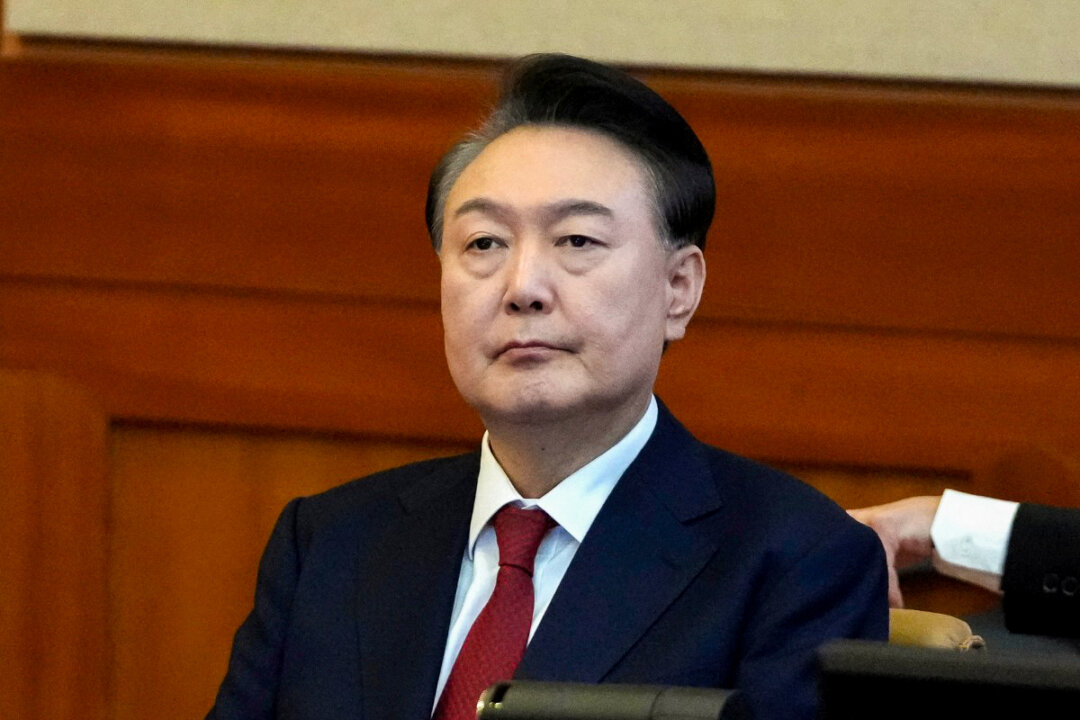
South Korea's Supreme Court has finalized a seven-year prison sentence for former President Yoon Suk-yeol, 583 days after his short-lived martial law declaration on December 3, 2024, according to Seoul Economic Daily. The ruling marks the first Supreme Court decision across Yoon's multiple ongoing criminal trials stemming from the martial law crisis.
The court upheld charges of obstructing the execution of an arrest warrant, abuse of power, falsification of official documents, and a violation of the Presidential Records Act, according to LA Times. Yoon did not appear at the hearing — the court noted attendance is not required for Supreme Court proceedings.
How a Martial Law Night Became a Criminal Case
On the night of December 3, 2024, Yoon declared martial law. He convened only a small group of ministers to create the appearance of a full Cabinet deliberation, according to The Epoch Times. A martial law declaration document was countersigned by then-Prime Minister Han Duck-soo and Defense Minister Kim Yong-hyun — and then destroyed.
Investigators from the Corruption Investigation Office for High-ranking Officials, known as the CIO, moved to arrest Yoon in January 2025. Security forces blocked them using vehicle barricades, human shields, barbed wire, and patrols around the presidential residence, LA Times reported. That blockade became the heart of the obstruction charges against him.
Sentence Grew From Five Years to Seven Through Appeals
Yoon first received a five-year prison sentence at the trial court level. An appeals court increased that to seven years. The Supreme Court then confirmed the seven-year term, making it final and not subject to further appeal, according to Seoul Economic Daily.
The Supreme Court also affirmed that the CIO had proper jurisdiction over the insurrection-related investigation — a point Yoon's legal team had contested, Seoul Economic Daily reported. That ruling clears the way for the CIO to continue its broader case against him.
Charges Go Beyond Obstruction to Document Destruction
The final ruling is wider than many expected. Beyond blocking investigators, the court upheld charges of falsifying official documents and violating the Presidential Records Act, according to The Epoch Times. The destroyed countersigned martial law declaration sits at the center of those document-related charges.
The indictment also alleged Yoon drafted a false declaration as part of the martial law episode, mychamplainvalley.com reported. Prosecutors argued that the fake deliberation process and the document's destruction showed a deliberate effort to cover up the unconstitutional power grab.
More Trials Still Ahead for the Former President
This Supreme Court ruling is only the first of several cases Yoon faces. His criminal trials span multiple charges tied to the martial law declaration, and lower courts are still working through them, according to LA Times. The seven-year sentence is now locked in, but the broader legal saga is far from over.
The verdict was broadcast live across South Korea, wearegreenbay.com noted. The case has gripped the country since that December night when Yoon's six-hour martial law order shocked a nation that had not seen such a declaration in over four decades.
Sentiment
Mostly NegativeNEGATIVENEUTRALPOSITIVE
Publishers
17
Articles
28
Reach
45
A
AnonymousAuthor


