Screwworm Outbreak Spreads
First U.S. horse case of New World screwworm confirmed in Texas ranch.
Anonymous
Key Points
1
The U.S. Equestrian Federation has introduced protocols for licensed competitions, including continuous wound checks and early reporting of suspected infections to limit spread among participating horses.
2
The USDA recently cleared two Texas infestation zones: portions of La Salle and Webb counties, and portions of Gillespie, Kerr and Kimble counties—the first zones cleared since the outbreak began in June.
3
Infected animals can be treated, and reporting cases helps the USDA determine where to release sterile flies, which mate with female screwworm flies to prevent a self-sustaining population from developing.
4
The United States previously eradicated screwworm in the mid-1960s by releasing about 500 million sterile flies per week, but current sterile-fly production capacity is limited.
5
El Paso Animal Services said the city remains infestation-free and scheduled a free public information session at the Texas A&M AgriLife Research Center for residents seeking guidance from experts.
The first confirmed U.S. horse case of New World screwworm in the current outbreak appeared September 9 on a working ranch horse in Presidio County, Texas. USDA data shows 49 total cases in Texas since June, with the flesh-eating parasite now threatening livestock, pets, and wildlife across the state.
Federal authorities have quarantined parts of Presidio and Jeff Davis counties and are releasing sterile flies to stop the parasite from spreading. DVM 360 reports that infected animals can be treated, but limited sterile-fly production may slow eradication efforts compared to the 1960s campaign that used 500 million sterile flies per week.
What Screwworm Does to Horses and Pets
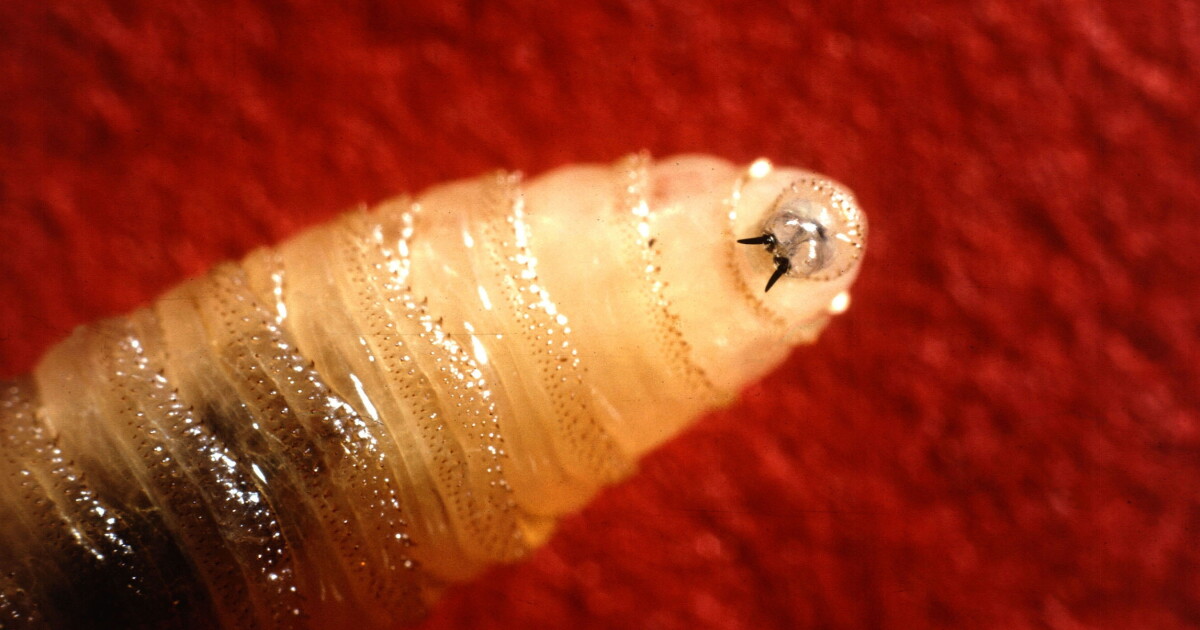
New World screwworm is a parasitic fly that lays eggs in open wounds on living animals. The larvae burrow into flesh, creating painful infections that can kill livestock and pets if untreated. WUSF notes the parasite rarely infects humans, and meat from infected animals remains safe to eat.
Horse and pet owners must inspect animals daily for signs of infection: open wounds, swelling, drainage, foul odors, or visible maggots. Quick reporting to veterinarians is critical—treatment works, but delays increase the risk of serious complications.
Equestrian Federation Tightens Competition Protocols
The U.S. Equestrian Federation has introduced new rules for licensed competitions in affected regions. Continuous wound checks and early reporting of suspected infections are now required to limit screwworm spread among participating horses.
These protocols reflect the threat the outbreak poses to the horse industry. The parasite has already reached New Mexico and parts of Texas, spreading closer to major livestock trading areas as cattle movement resumes.
Two Texas Zones Cleared as Sterile-Fly Strategy Continues
The USDA has recently cleared two infestation zones—portions of La Salle, Webb, Gillespie, Kerr, and Kimble counties. These are the first areas removed from quarantine since the outbreak began in June.
The eradication strategy relies on releasing millions of sterile male flies that mate with female screwworms, preventing reproduction. Texas Standard reports that limited sterile-fly production capacity may slow progress, unlike the 1960s eradication that deployed roughly 500 million sterile flies weekly.
El Paso Remains Free but Officials Urge Caution
El Paso Animal Services confirmed the city remains infestation-free despite the outbreak in nearby Texas counties. Officials scheduled a free public information session at the Texas A&M AgriLife Research Center to educate residents on screwworm identification and prevention.
Livestock smuggling remains a risk. Reuters reporting highlights weak controls at the border, which could accelerate screwworm spread as cattle movement resumes and trade routes reopen.
Sentiment
Mostly NegativeNEGATIVENEUTRALPOSITIVE
Publishers
20
Articles
20
Reach
40
A
AnonymousAuthor


