Tokyo Earthquake Disruptions
Magnitude 5.9 Earthquake Strikes Tokyo Region, Injuring 37 and Disrupting Transport
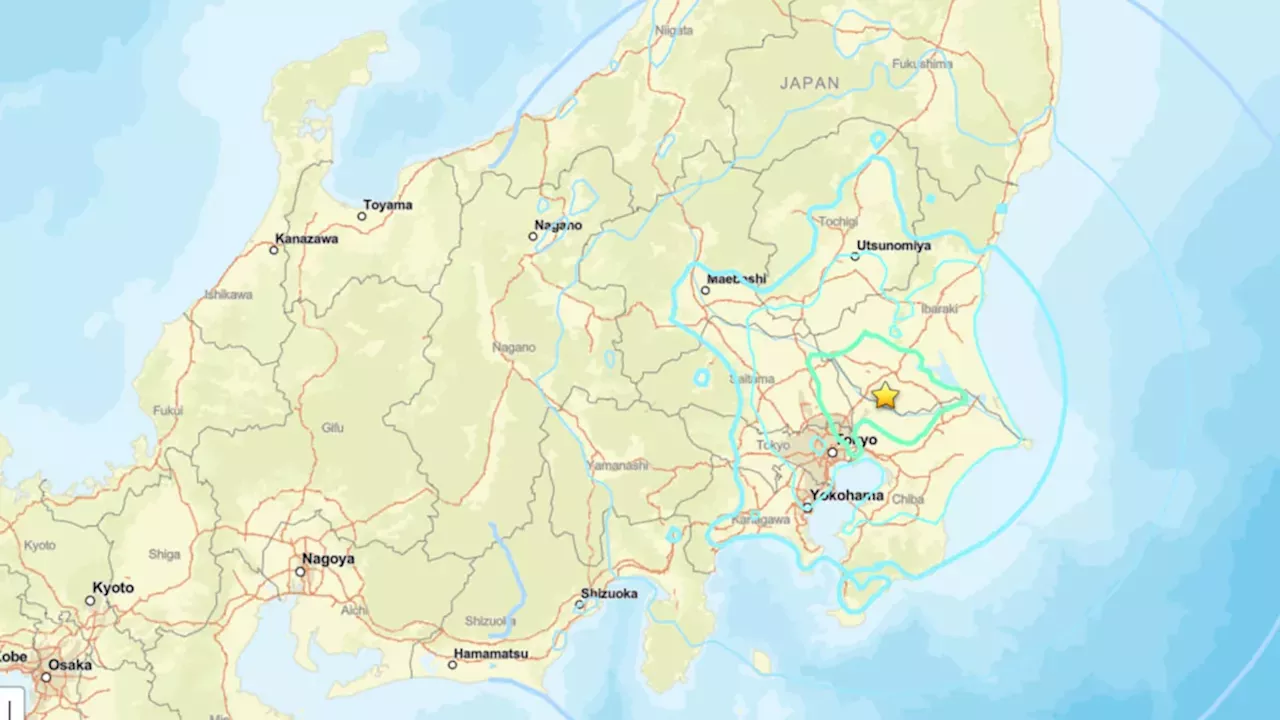
A magnitude 5.9 earthquake struck near Tokyo early Wednesday morning, injuring at least 37 people and disrupting the region's transportation network Head Topics. The quake hit the southern part of Ibaraki Prefecture at 2 a.m. local time, prompting immediate public safety alerts across eastern Japan. No tsunami warning was issued, but authorities raised concerns about potential landslides following recent heavy rainfall in the area.
Moderate Earthquake Shakes Eastern Japan
The preliminary magnitude 5.9 earthquake rattled eastern Japan, including the greater Tokyo metropolitan area kdhnews.com. Most of the 37 injured people suffered minor injuries, though several required hospital treatment. The early morning timing — 2 a.m. — meant many residents were asleep when the quake struck, limiting the potential for more serious injuries.
Seismic activity in this region is common. Japan sits on the Pacific Ring of Fire, where tectonic plates regularly collide and shift. Magnitude 5.9 quakes cause moderate damage to buildings and infrastructure but are not considered major earthquakes. The lack of a tsunami warning meant coastal areas faced no additional threat from ocean waves.
Train Services Disrupted Across Tokyo Region
Regional train services across Tokyo suspended operations or reduced service following the quake Head Topics. The disruption affected commuters and travelers during early morning hours. Rail operators conducted safety inspections before gradually resuming normal schedules. Damage to buildings in nearby Saitama Prefecture, north of Tokyo, also prompted safety checks at multiple facilities.
Earthquakes frequently disrupt Japan's extensive rail network, one of the world's busiest transportation systems. Train operators have strict protocols to stop trains immediately when seismic activity is detected. This safety-first approach prevents accidents but causes temporary travel delays for thousands of passengers.
Landslide Risk Heightened by Recent Heavy Rains
Authorities expressed concern that the earthquake could trigger landslides in areas weakened by recent heavy rainfall Head Topics. Heavy precipitation in the weeks before the quake had saturated soil throughout the region. When earthquakes shake saturated earth, the risk of mudslides and ground collapse increases significantly.
Emergency response teams deployed to vulnerable areas to monitor conditions. Local governments issued alerts warning residents in hillside communities to remain vigilant. Japan has detailed early-warning systems designed to detect earthquakes and landslides quickly, allowing evacuation in threatened zones.
Sentiment
NeutralPublishers
5
Articles
4
Reach
5


