OPEC+ Boosts Oil Output
OPEC+ Countries Agree to Increase Oil Production in August as Fuel Prices Continue to Slide
Anonymous
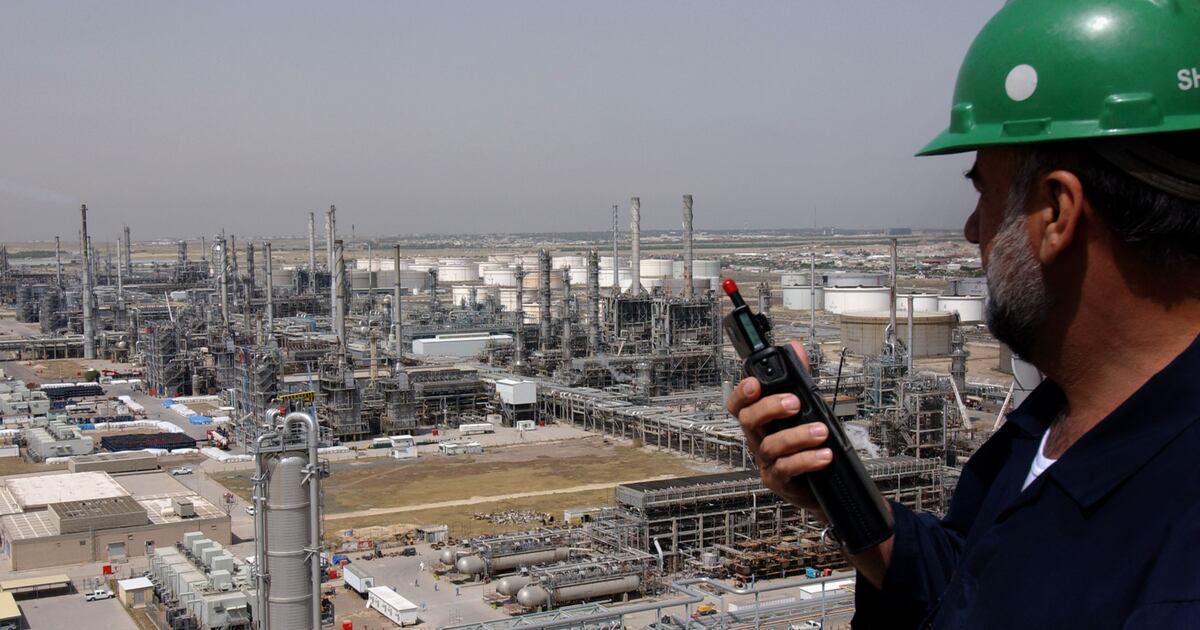
Seven OPEC+ nations have agreed to raise oil output by 188,000 barrels per day in August, marking the fifth straight month the alliance has chosen to pump more crude, according to The Independent. The move comes as global oil prices have fallen to their lowest levels since before the U.S. and Israel's conflict with Iran.
The seven participating countries are Saudi Arabia, Russia, Iraq, Kuwait, Kazakhstan, Algeria, and Oman, Barchart reported. Despite sliding prices, the group is pushing ahead with steady, modest increases rather than pulling back supply.
Five Months Straight of Rising OPEC+ Output
August will be the fifth consecutive month OPEC+ has agreed to raise production, according to News4Jax. The 188,000 barrels-per-day increase is relatively small compared to total global output, which runs in the tens of millions of barrels daily. Still, the streak signals a clear shift away from the deep cuts the group held for much of the past two years.
The alliance has been slowly unwinding voluntary production cuts it made to prop up prices. By adding supply month after month, the group risks pushing prices even lower. But the key members appear willing to accept that trade-off for now, WSLS reported.
Oil Prices Already Sliding Before August Increase
Fuel prices have already dropped to levels not seen since before the U.S.-Israel conflict with Iran began, according to Yahoo Finance. Adding more barrels to an already soft market could push prices lower still. Analysts have noted that weak global demand has made it harder for OPEC+ to keep prices high even with output restraint.
The alliance faces a tricky balancing act. Pumping more oil earns each country more export volume. But if prices fall too fast, total revenue can drop. So far, the group's leadership — especially Saudi Arabia and Russia — has chosen to keep raising output, Gazette Extra reported.
Iran Conflict Backdrop Shapes Global Energy Outlook
The production decision comes as peace talks between Iran and the U.S. continue, The Independent reported. The conflict disrupted global oil markets earlier this year. Iran's role as a major oil producer means any shift in the war's status — toward peace or escalation — could quickly change the supply picture again.
If a final peace deal is reached, more Iranian oil could return to world markets. That would add further downward pressure on prices. OPEC+'s own increases, combined with a potential Iranian supply comeback, could make for a much looser oil market in the months ahead, according to WSBT.
Who Is Pumping More — and What It Means for Drivers
The seven countries in this month's increase — Saudi Arabia, Russia, Iraq, Kuwait, Kazakhstan, Algeria, and Oman — are among the largest producers in the OPEC+ group, Click On Detroit reported. Together, they hold enormous sway over how much crude flows into the global market each month.
For everyday consumers, more oil supply generally means lower gasoline prices at the pump. If OPEC+ keeps raising output and demand stays weak, drivers in the U.S. and elsewhere could see continued relief at the gas station through the summer, KTAR reported.
Sentiment
NeutralNEGATIVENEUTRALPOSITIVE
Publishers
16
Articles
16
Reach
16
Topics
A
AnonymousAuthor


