AZ AG Primary Decided
Conservative Warren Petersen secures Arizona GOP AG nomination, prepares for general election clash with Mayes.
Anonymous
Key Points
1
Early returns showed Petersen with a strong lead in the GOP primary, with initial tallies around 54.5% and later about 56.1% as roughly 65% of ballots were counted.
2
Petersen has framed himself as a conservative ally of President Trump, building a profile as a hardline voice on election integrity and state-level governance.
3
Petersen handed the FBI the Arizona Senate’s 2020 election records from the Cyber Ninjas review, a review that concluded Maricopa County did not show widespread fraud, and he subsequently referred Kris Mayes and Adrian Fontes to the DOJ for obstruction of justice and witness tampering.
4
Mayes has resisted federal efforts to obtain Arizona’s voter data and to expand federal control over elections, contrasting Petersen’s approach.
5
In a May 28 debate, Petersen defended the role as a management and policy office and signaled a willingness to pursue a 287(g) agreement with federal immigration officers.
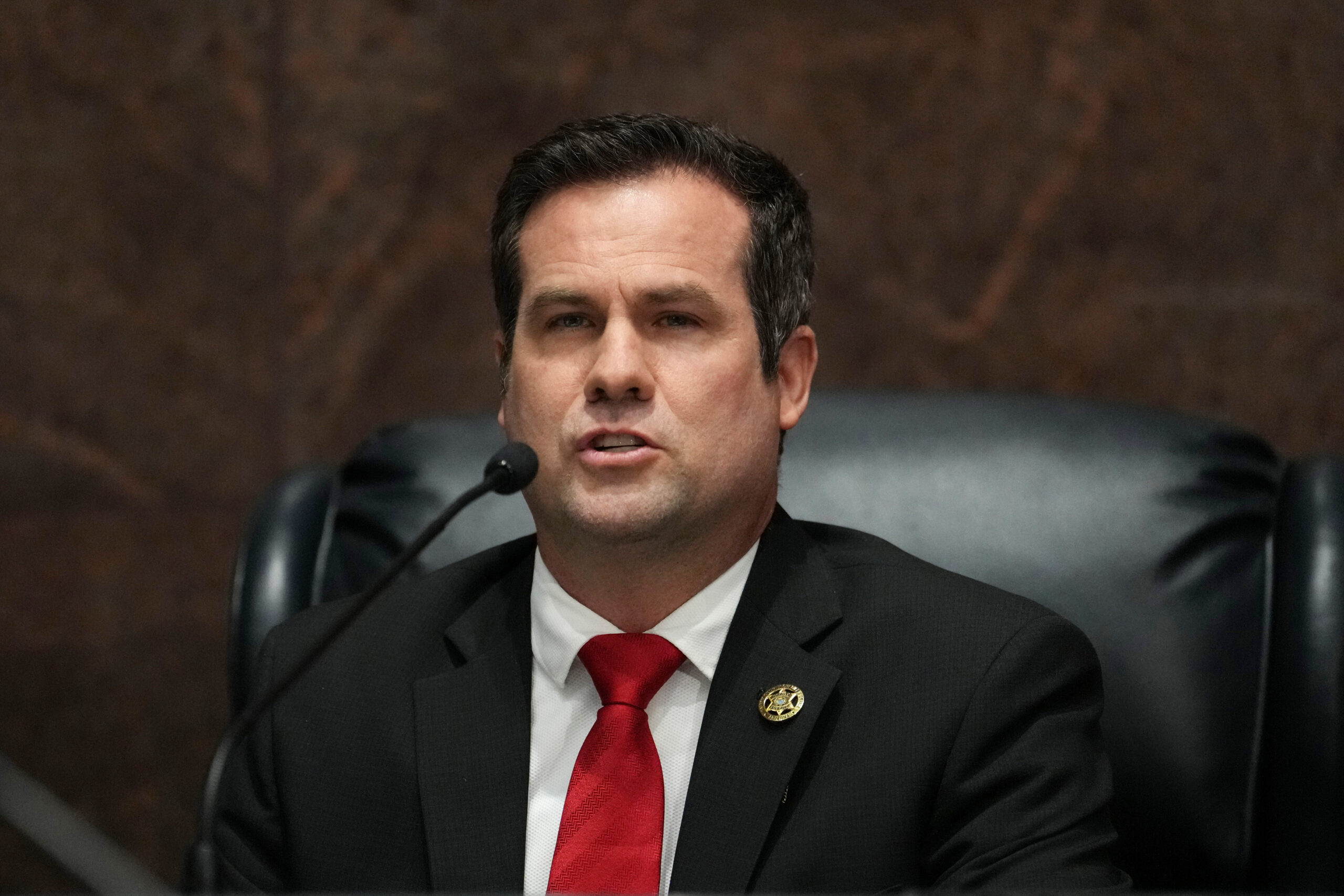
Arizona State Senate President Warren Petersen has won the Republican primary for attorney general, setting up a high-stakes general election clash with Democratic incumbent Kris Mayes in November. AZ Mirror reported Petersen beat rival Rodney Glassman by more than 47,000 votes, pulling about 56.1% of the vote with roughly 65% of ballots counted.
Petersen, a close ally of President Trump, has built his political identity around election integrity and conservative governance. His win puts Arizona's attorney general race at the center of national debates over immigration, election law, and federal power. 12 News projected him as the winner based on early returns.
Petersen's Record on the 2020 Election
Petersen has been deeply involved in efforts to revisit the 2020 election. He handed the FBI the Arizona Senate's records from the Cyber Ninjas review — a partisan audit that ultimately found no widespread fraud in Maricopa County. Democracy Docket described him as an "election denier" who aided the Trump administration's push to reopen the 2020 race.
After the audit, Petersen went further. He referred current Attorney General Kris Mayes and Secretary of State Adrian Fontes to the Department of Justice, accusing them of obstruction of justice and witness tampering. Neither charge has led to a formal federal case.
What Petersen Plans to Do as Attorney General
Petersen has promised to expand the attorney general's Election Integrity Unit if elected. He has framed the office as a tool for pushing back against what he calls overreach by state Democrats. In a May 28 debate, he said he sees the role as a "management and policy" position — not just a legal one.
On immigration, Petersen said he would pursue a 287(g) agreement with federal officers. That program allows local law enforcement to act as immigration agents. It is a sharp contrast to Mayes, who has blocked federal efforts to get Arizona voter data and resisted wider federal control over state elections.
Mayes Stands as the Democrat to Beat
Mayes has made resistance to federal pressure a cornerstone of her tenure. She has refused to hand over Arizona's voter data to federal authorities and pushed back against efforts to expand federal control over state elections. Her stance puts her at odds with both the Trump administration and Petersen directly.
The general election will test how Arizona voters feel about those fault lines. The state has become a key battleground on immigration, election law, and state-versus-federal power. Mayes will defend a seat Democrats flipped in 2022, when she won by just 280 votes.
Petersen Won Without a Trump Endorsement
Despite framing himself as a Trump ally, Petersen never got a formal endorsement from the president. AZ Mirror noted that neither Petersen nor his rival Glassman secured Trump's backing in the primary. Petersen did win support from law enforcement groups and conservative allies like Rep. Andy Biggs.
Streamline Feed reported that Petersen's win sets up a race that will draw national attention. Arizona's attorney general has broad power over how state law is enforced — from elections to immigration to consumer protection. That makes November's contest far bigger than a typical state race.
Sentiment
Mostly NegativeNEGATIVENEUTRALPOSITIVE
Publishers
10
Articles
50
Reach
60
Topics
A
AnonymousAuthor


