Contaminated Milk Recall
Graham's Family Dairy Semi-Skimmed Milk Recalled Across UK Over Veterinary Antibiotics
Anonymous
Key Points
1
Recall covers Graham's Family Dairy Semi-Skimmed Milk in 1 pint, 1 litre and 2 litre bottles with use-by date 31 July 2026, and is being rolled out nationwide through major UK supermarkets including Tesco, Sainsbury's and Waitrose.
2
The Food Standards Agency notes the presence of veterinary medicines, including antibiotics such as penicillin, may make the product unsafe to consume and poses a health risk for anyone with a penicillin allergy.
3
Grahams Family Dairy states the recall is precautionary and reassures customers that no other Grahams Family Dairies products or use-by dates are affected.
4
Industry implications are being highlighted, with discussions on broader dairy-supply-chain safety and potential increased border biomonitoring in response to detection of veterinary antibiotics in milk.
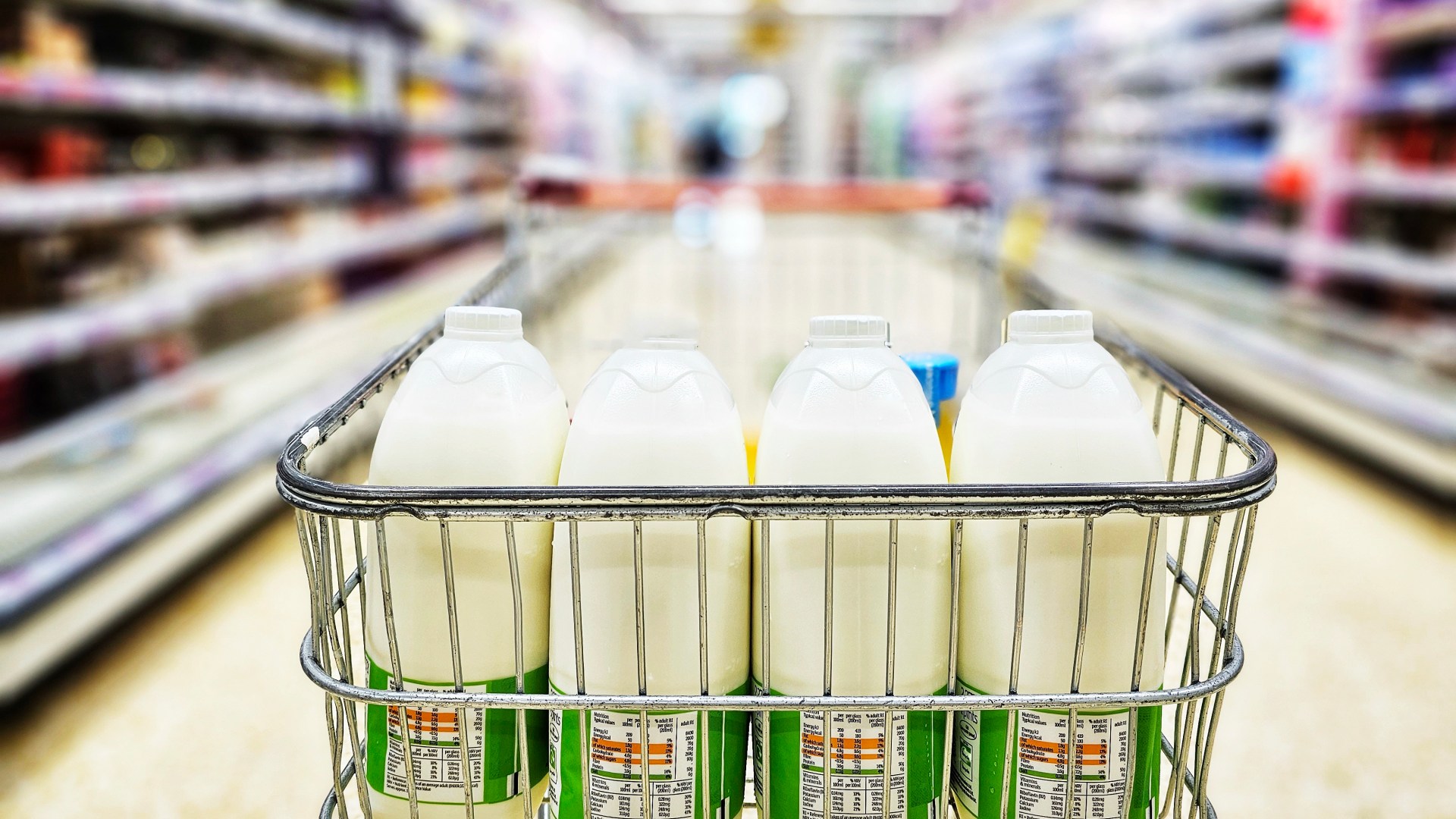
Graham's Family Dairy has urgently recalled its semi-skimmed milk after veterinary medicines, including the antibiotic penicillin, were found in the product, according to The Daily Record. The affected bottles — in 1 pint, 1 litre, and 2 litre sizes — all carry a use-by date of 31 July 2026. Shoppers are told not to drink the milk and to return it to the store where they bought it for a full refund.
The Food Standards Agency has warned the milk may be unsafe to eat, particularly for anyone with a penicillin allergy. In Your Area reports that Graham's Family Dairy is Scotland's largest independent dairy company, supplying milk, butter, yogurt, and ice cream across the UK. The company says the recall is a precautionary step, and that no other products or use-by dates are affected.
Penicillin Found in Three Bottle Sizes Nationwide
The recall covers three pack sizes of Graham's Family Dairy Semi-Skimmed Milk. All three — 1 pint, 1 litre, and 2 litre bottles — share the same use-by date of 31 July 2026. Head Topics reports the affected milk has been sold at major UK retailers including Asda, Tesco, Morrisons, Sainsbury's, Waitrose, and Home Bargains. Retailers are now removing the stock from shelves nationwide.
The contamination involves veterinary medicines — drugs given to farm animals. Penicillin is among the antibiotics detected. For most people, consuming small traces may cause no harm. But for anyone with a penicillin allergy, even tiny amounts can trigger a serious reaction. The Food Standards Agency says that is why the product must not be consumed.
Graham's Dairy Calls It a Precautionary Measure
Graham's Family Dairy, based in Stirlingshire, Scotland, moved quickly to issue the recall notice. The company stressed the action is precautionary. It confirmed that no other Graham's products are affected, and no other use-by dates are involved. The Scottish Sun reported the company is urging customers to check their fridges and return any matching bottles to the point of purchase.
Food Standards Scotland also issued a public warning alongside the recall, according to Northern Scot. The dual alert from both the company and the regulator signals the seriousness of the contamination. Customers do not need a receipt to get a full refund.
Antibiotic Contamination Raises Dairy Supply Chain Concerns
Finding antibiotics in milk is rare but serious. Dairy farms regularly treat cows with veterinary medicines. Strict rules require farmers to discard milk from treated animals for a set period. When that process fails, antibiotics can enter the supply chain. This case has sparked wider discussion about how robust testing is across the UK dairy industry.
In Your Area notes that questions are now being raised about dairy supply chain safety and whether border biomonitoring — the testing of products as they move through the food system — needs to be strengthened. Graham's Family Dairy has not yet said publicly how the penicillin entered the batch. An investigation is expected to follow the recall.
What to Do If You Have the Recalled Milk
Check your fridge now. If you have Graham's Family Dairy Semi-Skimmed Milk in a 1 pint, 1 litre, or 2 litre bottle with a use-by date of 31 July 2026, do not drink it. Return it to the shop where you bought it. You will receive a full refund, no receipt needed.
If you have a penicillin allergy and have already consumed this milk, seek medical advice promptly. For most people without an allergy, the health risk is considered low. Still, the Food Standards Agency advises everyone to avoid the product as a precaution until the investigation is complete, according to The Daily Record.
Sentiment
Mostly NegativeNEGATIVENEUTRALPOSITIVE
Publishers
17
Articles
26
Reach
43
Topics
A
AnonymousAuthor


