New Dual-Architecture Mainframe Chip
IBM and Arm Unveil Revolutionary Dual-Architecture Mainframe Chip for AI and Enterprise Workloads
Key Points
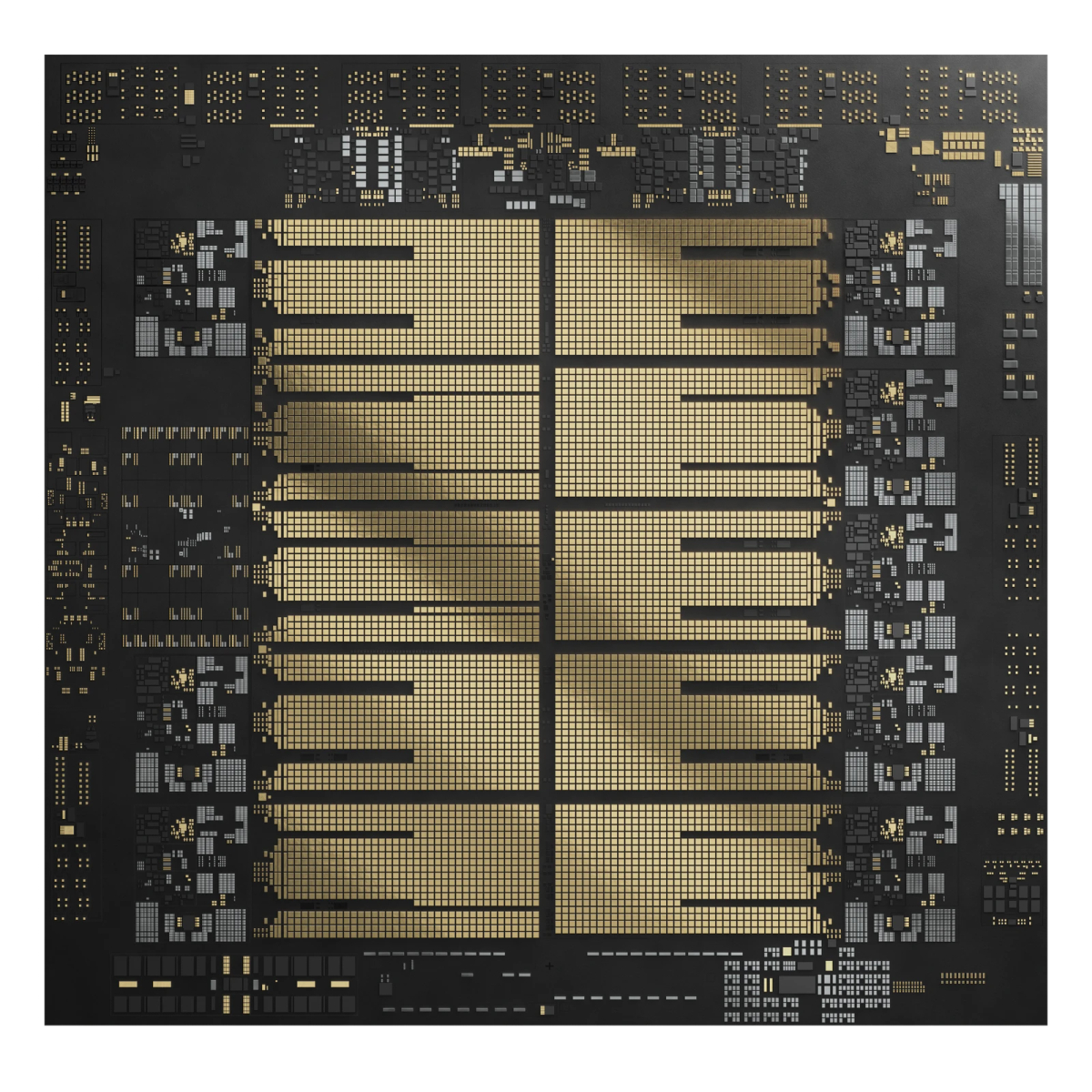
This announcement marks the first dual-architecture mainframe processor ever built, enabling Arm-native workloads to run on IBM Z and LinuxONE alongside IBM's own instruction set on the same chip.
Each of the 11 cores on the new processor can dynamically switch between Arm software mode and IBM Z or LinuxONE software mode in nanoseconds, eliminating the need for virtualization or emulation to run mixed workloads.
Arm’s software ecosystem, which includes more than 22 million developers, will be brought directly to IBM Z and LinuxONE platforms, expanding on-premises software options for enterprise customers.
The processor is designed to power the next generation of IBM Z and LinuxONE systems, built on a two-nanometer node with 11 cores at speeds above 5.7 GHz, and featuring AI inference accelerators and an on-chip data processing unit for I/O acceleration.
IBM has unveiled the world's first dual-architecture mainframe processor that runs Arm-native Linux code and IBM Z instructions on the same cores simultaneously Wccftech. The chip features 11 cores built on a two-nanometer process running above 5.7 GHz, with each core able to switch between Arm and IBM Z/LinuxONE software in nanoseconds without needing virtualization TechZine. The breakthrough marks the first major milestone of IBM and Arm's 2026 partnership and positions IBM's enterprise systems to compete in the AI era.
A Single Core That Speaks Two Languages
The new processor eliminates the need for emulation or virtualization to run mixed workloads BigGo Finance. Each of the 11 cores can dynamically execute both Arm software and IBM Z or LinuxONE software, switching modes in nanoseconds Wccftech. This means enterprises can run Arm-native Linux applications alongside traditional mainframe workloads on identical hardware without performance penalties or added complexity.
Tapping Into Arm's Massive Developer Ecosystem
By bringing Arm compatibility to IBM Z and LinuxONE, IBM gains direct access to more than 22 million Arm developers worldwide AIThority. This dramatically expands the software available to enterprise customers on mainframes. IBM Z and LinuxONE systems can now run applications built for Arm-based systems without modification, opening new use cases for on-premises workloads.
AI Acceleration Built Into the Hardware
The processor includes dedicated AI inference accelerators designed for real-time fraud detection within transactions TechZine. It also features an on-chip data processing unit that accelerates input/output operations. These additions allow enterprises to run machine learning and data-intensive tasks directly on mainframes without offloading to separate AI systems, keeping sensitive data on-premises.
Why This Matters for Enterprise Computing
IBM Z and LinuxONE systems already dominate banking, insurance, and government sectors SeekingAlpha. Adding Arm support without sacrificing performance keeps these platforms competitive as enterprises adopt AI and modern development practices. The dual-architecture design lets companies run legacy mainframe applications alongside cutting-edge Arm-based software on the same hardware, reducing infrastructure costs and complexity.
Sentiment
Mostly PositivePublishers
16
Articles
33
Reach
49


