Middle East Tensions Escalate
Mojtaba Khamenei Vows Revenge for Father's Assassination; Trump Threatens Massive Strikes
Key Points
Mojtaba Khamenei sustained serious facial injuries and possible leg injuries in the strike on his father’s compound in central Tehran, but remained mentally alert and continued to participate in key decisions via videoconference, including those related to war and negotiations with Washington.
Iran publicly denied any rush to negotiate with the United States, saying reports from outlets close to Israel about a US-Iran negotiation request are false and that no talks will take place until Washington shifts its stance.
Mojtaba framed the assassination in religious terms by linking it to Imam Hussein, saying his father adhered to Imam Hussein’s struggle and principles as part of the justification for revenge.
Tehran’s leadership describes having comprehensive lists of American targets and suspects with scheduling finalized, and preparations already in place for retaliatory actions that would extend beyond any single geographic area.
Iranian officials warn that the era of American hegemonic dominance in the Middle East has effectively ended and vow to turn the region into a potential battlefield with plans to undermine American bases, citing the blood of martyrs as the catalyst for action.
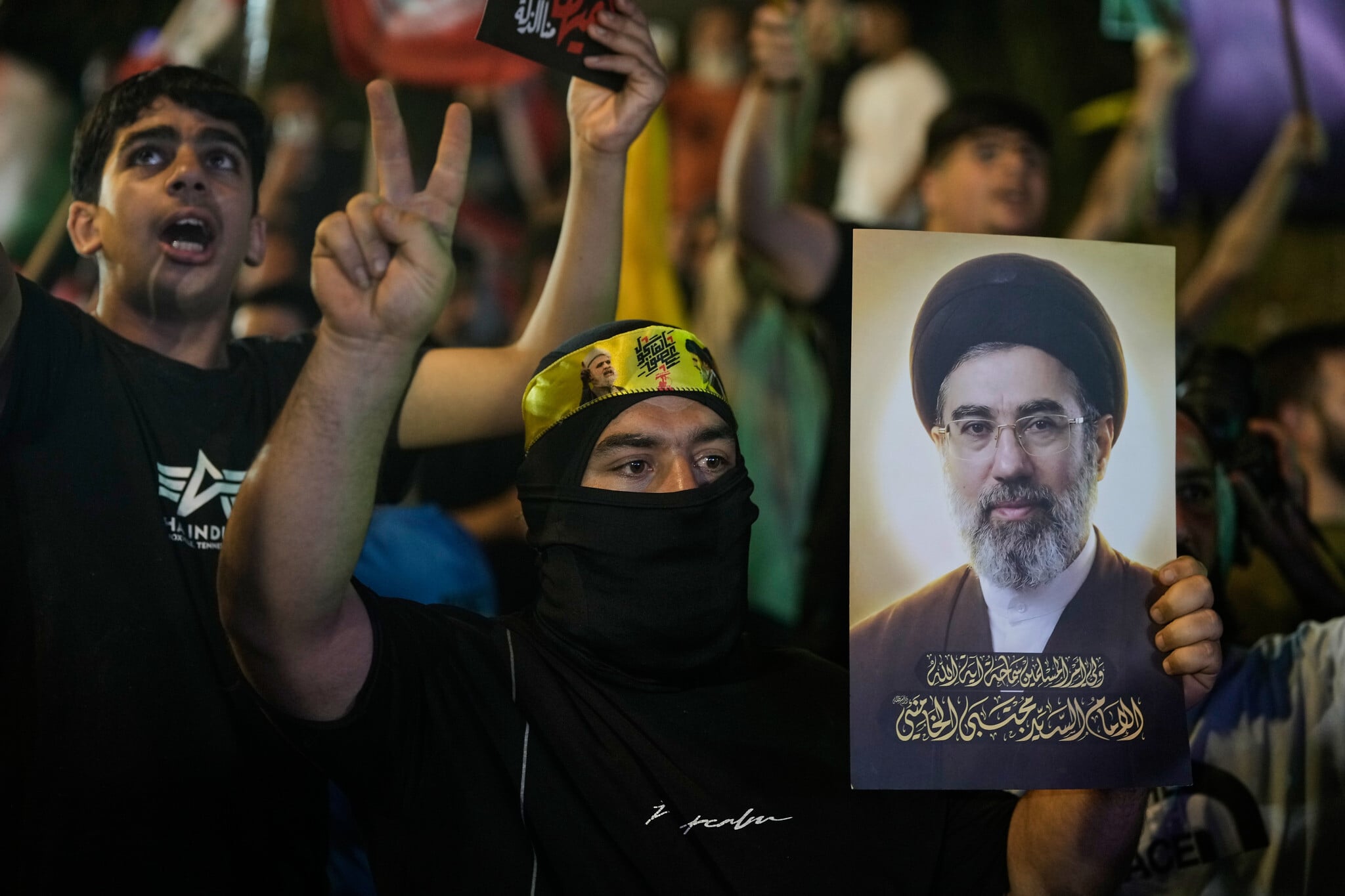
Mojtaba Khamenei, son of assassinated Supreme Leader Ali Khamenei, has vowed that revenge against those responsible for his father's killing will come "soon." In a written message posted to his Telegram account, he called retaliation "the will of our nation," according to Times of Israel.
U.S. President Donald Trump responded with a direct threat, warning Iran he would launch strikes involving thousands of missiles if Tehran moved against him. The exchange marks one of the sharpest escalations between the two countries in years, according to Ynet News.
Mojtaba Khamenei Vows Swift and Broad Retaliation
Mojtaba Khamenei was injured in the strike that killed his father at the Tehran compound. He suffered serious facial injuries and possible leg injuries. Despite this, he remained mentally alert. He continued to take part in key decisions — including those on war and negotiations — via videoconference, according to Times of Israel.
In his message, Mojtaba tied the assassination to religious symbolism, linking his father's death to the struggle of Imam Hussein. He warned that no geographic area would be safe from Iran's revenge operations. Voice of Emirates reported that his statement promised "comprehensive revenge" and "unprecedented military retaliation" against the United States.
Iran Denies Talks With Washington, Slams Israeli-Linked Reports
Tehran publicly rejected any rush to negotiate with the United States. Iranian officials said reports — from outlets they described as close to Israel — claiming Iran had requested talks were false. The government stated clearly that no negotiations would take place until Washington shifted its stance, according to Ynet News.
This denial came even as both sides traded escalating threats. Iran's refusal to talk signals that Tehran sees any diplomacy right now as a sign of weakness. Officials framed the moment as one requiring action, not words.
Iran Claims Target Lists Ready, American Hegemony 'Over'
Iranian officials said they have compiled comprehensive lists of American targets. They described scheduling as finalized and preparations already in place. The statements suggest Iran sees retaliation as a matter of when, not if, according to Voice of Emirates.
Senior officials also declared that the era of American dominance in the Middle East has effectively ended. They vowed to turn the region into a battlefield and threatened to undermine U.S. military bases across the area. "The blood of martyrs" was cited repeatedly as the driving force behind these plans, according to Ynet News.
Trump Fires Back With Threat of Thousands of Missiles
President Trump warned Iran of massive U.S. strikes if Tehran followed through on any threats against him. Trump's language was direct and personal. He said Iran would face retaliation involving thousands of missiles, according to Ynet News.
The back-and-forth between Trump and Mojtaba Khamenei shows how fast the situation is moving from threats to potential action. Both sides are now speaking in terms of field preparations rather than diplomacy. The window for de-escalation appears to be narrowing rapidly.
Sentiment
Mostly NegativePublishers
55
Articles
58
Reach
113


