Toronto Storm Disruption
Severe Storm Sweeps Through Toronto, Disrupting Major Transit Routes and Power Grids
Anonymous
Key Points
1
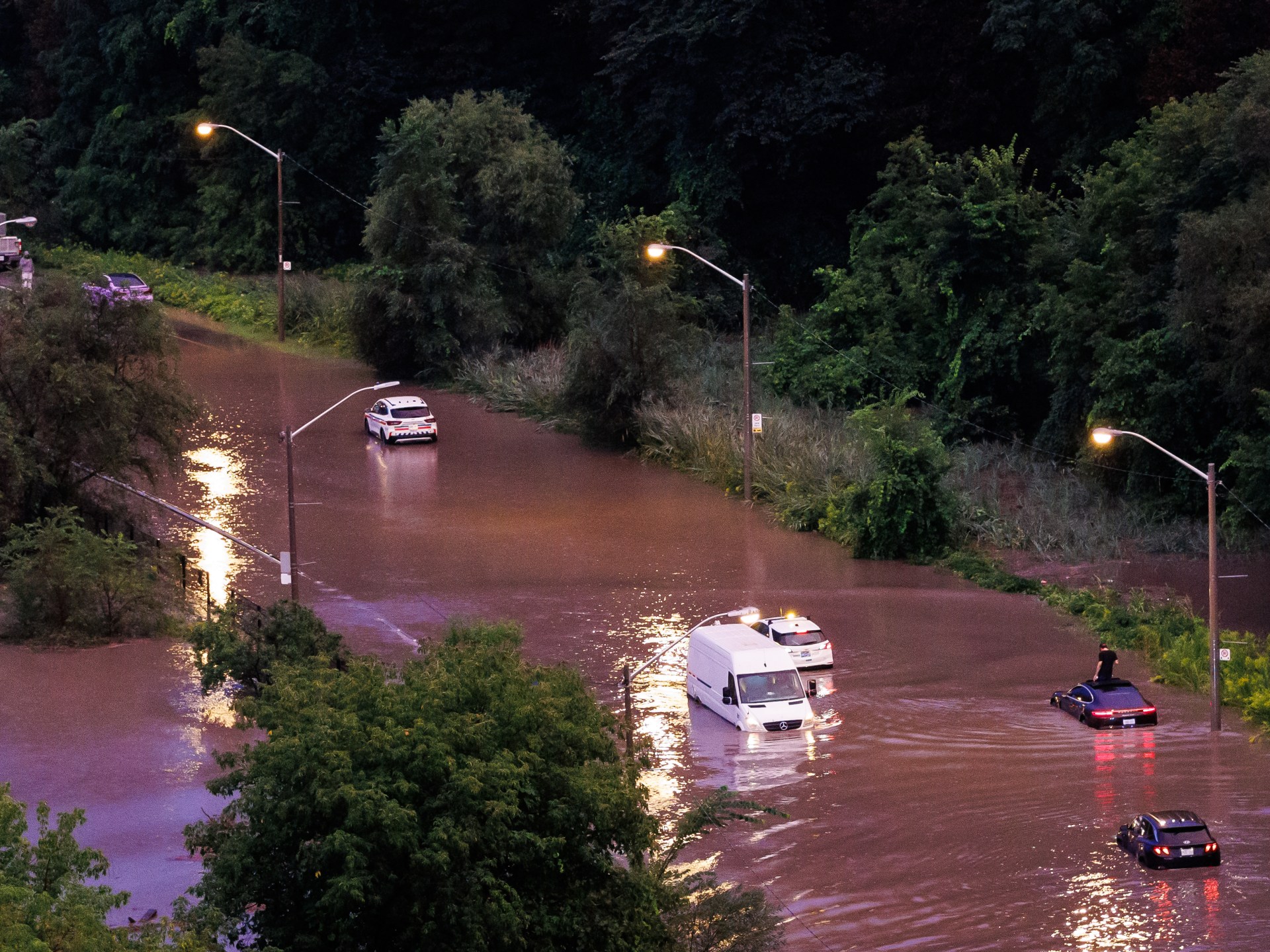
Don Valley Parkway southbound lanes from Bayview's off-ramp to the Don Roadway and Gardiner Expressway West were closed during the storm, with northbound lanes still being cleared and reopened later in the day.
2
TTC routes faced multiple detours and disruptions, including the 28 bus (eastbound near Bayview Ave at Moore Ave with no service), and detours on routes 34, 36, 55 and 59 to navigate blocked or flooded roads.
3
Emergency services were overwhelmed by rescue calls related to the storm, with approximately 300 calls reporting downed power lines to police as crews worked to stabilize the grid.
4
Outages extended beyond Toronto into Vaughan, where Alectra Utilities reported outages affecting several hundred homes and businesses, highlighting the regional reach of the electrical disruptions.
5
The storm caused significant damage to a major Toronto concert hall, underscoring broader infrastructure and cultural site impacts beyond flooding and power loss.
A severe thunderstorm tore through the Greater Toronto Area on Wednesday, September 2, delivering winds up to 100 km/h, torrential rain, and widespread flooding that crippled roads, transit, and the power grid. Al Jazeera reported that tens of thousands of residents lost power, while Now Toronto documented major road closures and TTC disruptions across the region.
Emergency services were overwhelmed, fielding approximately 300 calls about downed power lines as crews raced to restore electricity and clear debris. The cascading failures—flooded roads, knocked-out traffic lights, and severed power lines—created a perfect storm that left the region struggling to recover.
Major Highway Closures Trap Commuters
The Don Valley Parkway became impassable during the storm. Now Toronto reported that southbound lanes from Bayview's off-ramp to the Don Roadway were shut down entirely, while northbound lanes remained blocked for hours as crews cleared fallen trees and debris. The Gardiner Expressway West also faced closures, forcing thousands of commuters onto congested surface streets.
Recovery was slow. Northbound lanes did not fully reopen until later in the day, leaving a backlog of frustrated drivers. High Park and other popular areas remained inaccessible due to flooding and blocked access points.
TTC Routes Mangled by Flooded Streets
The Toronto Transit Commission scrambled to reroute buses as the storm washed out major corridors. Now Toronto identified multiple affected routes: the 28 bus had no eastbound service near Bayview Avenue at Moore Avenue, while routes 34, 36, 55, and 59 all faced detours around blocked and flooded roads. Passengers faced unpredictable delays and long waits.
The disruptions cascaded through the system, with service changes lasting well beyond the storm itself. Commuters had no choice but to adapt to detours or seek alternative transportation as the transit system worked to restore normal operations.
Tens of Thousands Plunged Into Darkness
The electrical grid took a beating. Al Jazeera reported that tens of thousands of residents lost power across Toronto, while Toronto Hydro confirmed more than 10,000 customers were affected. The damage extended into Vaughan, where Al Jazeera noted that Alectra Utilities reported outages hitting several hundred homes and businesses.
Downed power lines inundated emergency dispatch centers. Police received approximately 300 calls reporting downed lines as crews worked frantically to stabilize the electrical grid. Power restoration proved protracted, leaving families in the dark and forcing authorities to provide shelter guidance for those without electricity.
Storm Damage Extends to Cultural Landmarks
The destruction went beyond roads and power lines. A major Toronto concert hall suffered significant damage during the storm, illustrating how the weather system struck at critical infrastructure across the city. Beach Metro documented similar impacts in East Toronto, where fallen trees damaged cars and homes in affected neighborhoods.
The region faces a long recovery period. Crews must clear debris, restore power lines, repair roads, and assess damage to buildings and cultural institutions. The storm underscored how a single weather event can overwhelm municipal services and leave lasting impacts across the Greater Toronto Area.
Sentiment
Mostly NegativeNEGATIVENEUTRALPOSITIVE
Publishers
16
Articles
12
Reach
28
A
AnonymousAuthor


