Forced Labor Tariffs
US Imposes New Tariffs on 60 Trading Partners to Combat Forced Labor in Supply Chains
Anonymous
Key Points
1
USTR data indicate the new tariffs will cover about 99.4% of US trade and apply to roughly 60 trading partners, including China, India and the European Union.
2
Goods that are in transit when the tariffs come into effect will be exempt from the new duties until 4:01 a.m. Irish time on July 28.
3
Certain categories are expected to be exempt or treated differently, including oil and gas, fertilisers, some foodstuffs, and goods already subject to Section 232 national security tariffs.
4
Officials emphasise the measures are targeted enforcement under Section 301 of the Trade Act of 1974 rather than a blanket protectionist move, though some comments suggest it is not merely a direct replacement for the expiring levy.
5
USTR's Jamieson Greer framed the policy within decades-long enforcement of forced-labor bans, stating: 'The United States has had a forced labor import ban for nearly a century, and rigorously enforces it; it’s well past time for our trading partners to do the same.'
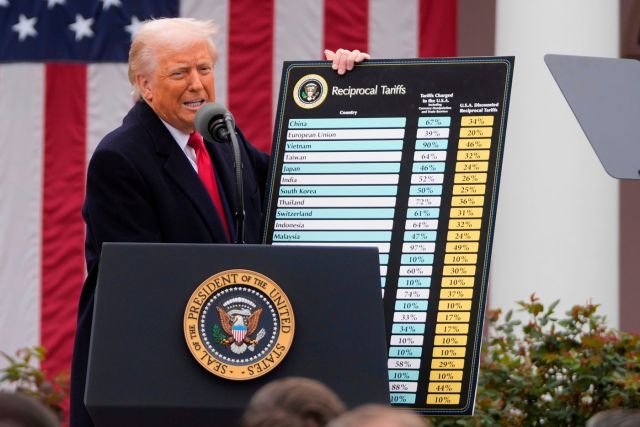
The United States has slapped new tariffs of 10% to 12.5% on 60 trading partners, covering roughly 99% of all US imports. The duties took effect at 12:01 am Eastern Time on Friday, replacing a temporary levy that was set to expire. France 24 reported that major economies hit include China, the European Union, the United Kingdom, India, Canada, and Japan.
Washington is framing the move as an enforcement action — not blanket protectionism. The White House says the tariffs are meant to punish countries that fail to crack down on forced labor in their supply chains. Castanет Kamloops noted the new rates replace expiring 10% levies that had been in place as a temporary measure.
Forced Labor Is the Legal Hook for New Duties
The tariffs rely on Section 301 of the Trade Act of 1974. That law gives the president power to levy import taxes to fix unfair trade practices. US Trade Representative Jamieson Greer defended the move in clear terms. "The United States has had a forced labor import ban for nearly a century, and rigorously enforces it," he said. "It's well past time for our trading partners to do the same."
The legal basis matters because earlier Trump tariffs hit a wall. The Supreme Court struck down some previous reciprocal duties, forcing the administration to find a new legal path. Section 301 gives that path. Officials are careful to say this is a targeted enforcement action, not a broad protectionist push. France 24 noted the White House stressed the distinction.
Australia Hit With 12.5% Rate Despite Government Pushback
Australia is among the countries facing the steeper 12.5% rate. Sky News Australia reported the US Trade Representative reviewed Australia and 59 other nations and found they had not done enough to curb forced labor in their supply chains. The duties kicked in at 2:01 pm Friday AEST.
Australian Defence Minister Richard Marles said the government opposes the tariffs. Head Topics reported that the Australian government is pushing back diplomatically. Still, no exemption has been granted. The move puts strain on a relationship that includes the AUKUS security partnership.
Oil, Gas, and In-Transit Goods Get a Carve-Out
Not everything gets hit. Goods already in transit when the tariffs took effect are exempt until 4:01 am Irish time on July 28. Oil, gas, fertilizers, and some foodstuffs are expected to be treated differently or fully exempt. Products already covered by Section 232 national security tariffs — like steel and aluminum — also fall outside the new rules.
The carve-outs are significant. They mean energy markets and key food supply chains face less direct disruption. But the broad coverage — 99.4% of US imports across 60 partners — still makes this one of the widest trade actions in recent memory. Castanет Kamloops noted that officials flagged further investigations into other economies that could bring more tariffs down the road.
What Comes Next for Global Trade Partners
Washington has signaled this is not the end. The administration says it is still investigating other countries for concerns tied to geopolitics and industrial policy. That means additional tariffs could follow. Trading partners face a clear choice: tighten their own forced-labor enforcement or risk steeper duties.
The scope of the action is hard to overstate. Sixty countries. Nearly all US imports. Rates between 10% and 12.5%. France 24 described it as a double-digit tariff wave aimed at reshaping how the world's biggest economy polices global supply chains. The message from Washington is that the era of loose enforcement is over.
Sentiment
Mostly NegativeNEGATIVENEUTRALPOSITIVE
Publishers
12
Articles
57
Reach
69
A
AnonymousAuthor


