Scaling AI Into Space
SpaceXAI and NVIDIA Partner to Deploy Vera CPUs for Agentic AI Workloads
Key Points
Telemetry data from production agentic workloads show 163,594 sessions with over 97% of sessions having unique trajectory profiles, indicating highly variable workflows and a predominantly latency-bound critical path. This supports the case for a single, balanced Vera CPU design to optimize fleet economics rather than multiple specialized CPU designs.
SpaceXAI and NVIDIA characterized Vera CPUs as 'the first CPU built for AI agents,' underscoring a market-first positioning for CPU-side orchestration of agentic tasks in a major deployment.
Analyses note that Vera's real-world benefits hinge on software architecture, model size, number of tool calls, and data transfers between CPU, memory, and GPU, meaning performance gains are workload-dependent rather than universal across all agentic tasks.
The hardware discussion also flags uncertainty about Vera's memory type in the described architecture, with NVIDIA citing memory figures for comparison to x86 processors but not disclosing the exact memory type.
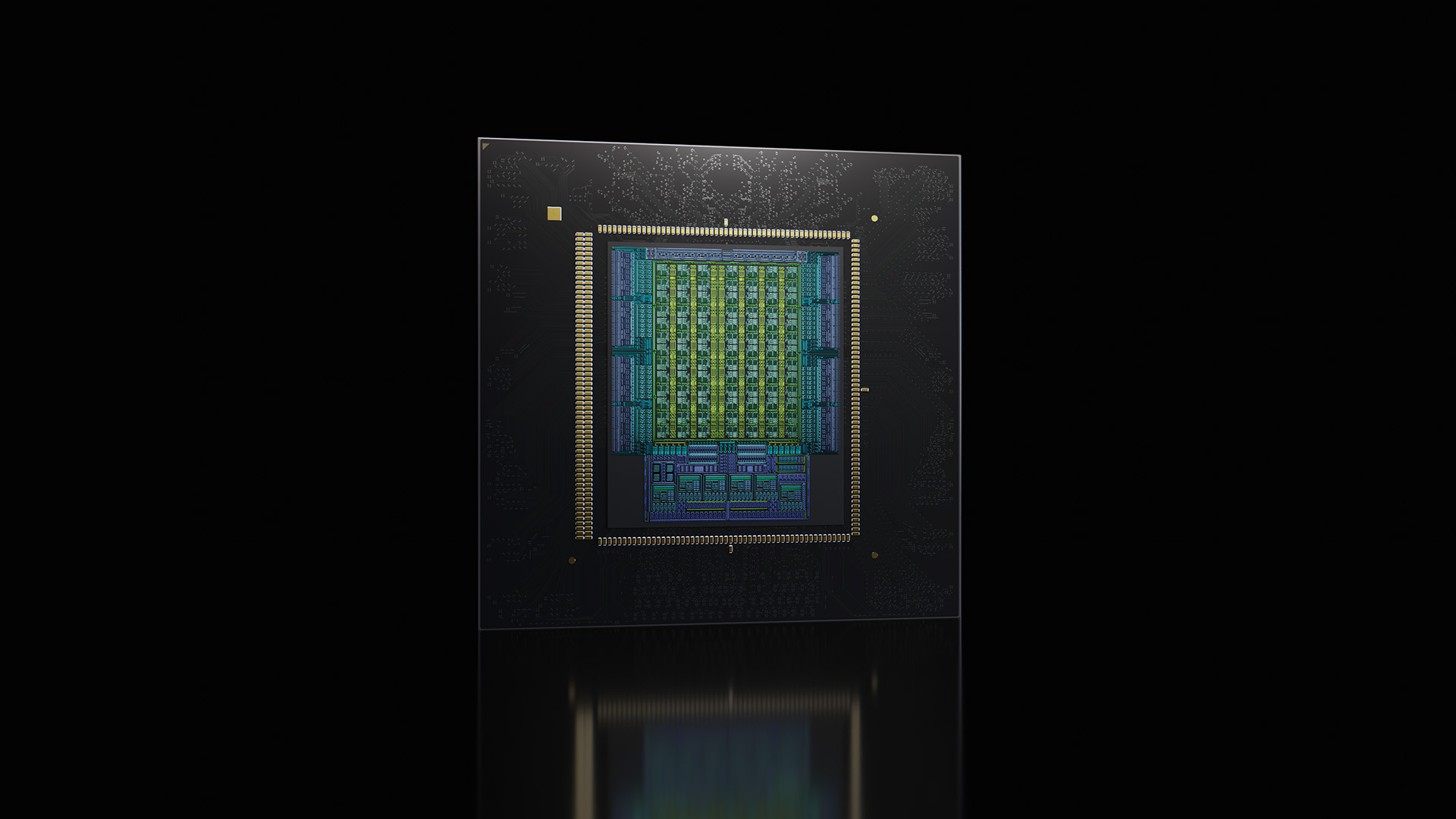
SpaceXAI and NVIDIA announced a major partnership to deploy Vera CPUs—processors designed specifically for AI agents—to power agentic workloads including Grok and Starmind GuruFocus. The Vera CPU will handle task orchestration, code execution, and data processing, keeping NVIDIA's GPUs fully fed during AI operations. SpaceXAI plans to scale to gigawatts of compute on Earth and into space, targeting 10 megawatts of AI compute by 2027 MarketScreener.
Why Vera CPUs Make Sense for AI Agents
AI agents don't work like traditional AI models. They pause between thoughts to call tools, run code, and fetch data. This creates unpredictable workloads with unique patterns for nearly every session MarketScreener. Telemetry from SpaceXAI's production agents showed 163,594 sessions, with over 97% having completely different workflows DailyGuardian. A single, balanced CPU design works better than multiple specialized chips across such variable workloads.
Vera Rubin Extends Computing Into Orbit
NVIDIA designed the Space-1 Vera Rubin chips specifically for orbital computing with solar-powered operation GuruFocus. The NVL72 space-optimized rack serves as the foundation for Starmind, SpaceXAI's satellite-based AI system MarketScreener. This marks the first attempt to build a CPU-GPU stack designed for space workloads. The integration combines compute, networking, and software into a single system rather than bolting pieces together MarketScreener.
What Remains Uncertain About the Plan
The announcements lack independent test results, specific timelines, and reproducible performance data GuruFocus. NVIDIA hasn't disclosed the exact memory type used in the Vera architecture, only citing memory figures for comparison to x86 processors MarketScreener. Real-world benefits depend heavily on software design, model size, tool call frequency, and data transfers between CPU and GPU. These factors vary widely across different AI agent tasks.
Elon Musk's GPU Bet Shifts Toward CPUs
Elon Musk previously endorsed NVIDIA GPUs as essential for AI scaling. Now SpaceXAI is building an entire stack around Vera CPUs orchestrating those same GPUs MarketScreener. This signals a shift in thinking: massive GPU clusters need smart CPU management to run efficiently. By 2027, SpaceXAI aims to operate 10 megawatts of AI compute, requiring orchestration at a scale that single GPUs cannot handle alone DailyGuardian.
Sentiment
Mostly PositivePublishers
23
Articles
42
Reach
65


