Hong Kong’s First Chinese Leader Tung Chee-hwa Dies at 89
Hong Kong’s First Chinese Leader Tung Chee-hwa Dies at 89
Anonymous
Key Points
1
In his inaugural address on July 1, 1997, Tung said Hong Kong residents would be “the masters of our own destiny” and pledged to preserve the city’s free and open economic system, uphold the rule of law and build a more democratic society.
2
The proposed Article 23 legislation would have created offenses including treason and sedition while expanding police powers, fueling fears that Beijing was eroding Hong Kong’s civil liberties.
3
Tung’s family shipping company, Orient Overseas, faced severe debt during the global shipping downturn; a US$120 million bailout led by CPPCC vice chairman Henry Fok in 1986 helped keep it afloat, and Tung had restored it to profitability by 1992.
4
Tung resigned as chairman and chief executive of Orient Overseas in 1996 to contest the first post-handover chief executive election, transferring control of the family business to his younger brother, Tung Chee-chen.
5
His administration also suffered politically from a bird flu outbreak, alongside the Asian financial crisis and other public-health emergencies, contributing to his declining popularity even though he was reelected unopposed in 2002.
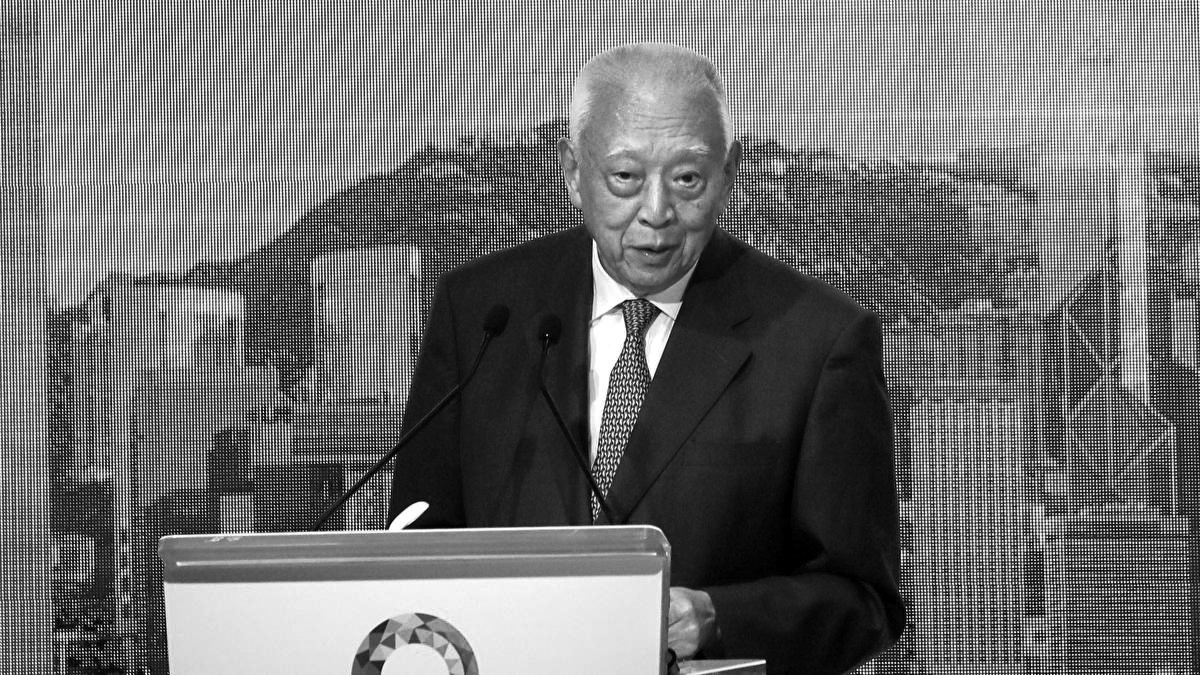
Tung Chee-hwa, Hong Kong's first chief executive after the 1997 handover from British rule, died peacefully at age 89, Xinhua reported. The former shipping executive led the city through a tumultuous decade marked by economic crisis, health emergencies, and growing public anger over his government's attempt to curtail civil liberties.
Tung took office on July 1, 1997, pledging that Hong Kong residents would be "the masters of our own destiny" and vowing to preserve the city's free markets, rule of law, and democratic progress. Instead, his tenure became a flashpoint in debates over whether Beijing was dismantling Hong Kong's autonomy under the "one country, two systems" framework.
From Shipping Tycoon to Beijing's First Choice
Tung built his career in shipping before his political rise. His family's Orient Overseas company faced near-collapse during the global shipping downturn in the 1980s. A US$120 million rescue led by pro-Beijing businessman Henry Fok in 1986 kept the firm alive, and Tung restored it to profit by 1992. He stepped down as chairman in 1996 to run for chief executive, handing control to his younger brother.
Pro-Beijing elites chose Tung for the top job, Seattle PI noted, viewing him as a loyalist who would follow China's lead. Hong Kong SAR News reported that local leaders later praised his economic contributions. His inaugural vision promised a more democratic Hong Kong, not a retreat from it.
Article 23 Sparked Hong Kong's Largest Protest
Tung's political collapse began in 2003 when his government proposed Article 23 legislation. The bill would criminalize treason, sedition, and subversion while giving police sweeping new powers. Hong Kong residents feared it was Beijing's weapon to crush dissent and erase the city's civil liberties.
Roughly 500,000 people marched through Hong Kong streets in protest—the largest demonstration in the city's modern history. Tung withdrew the proposal, but the damage was done. The law became a symbol of Beijing's overreach and fueled the pro-democracy movements that would define Hong Kong's politics for the next two decades.
Crisis After Crisis Eroded Public Support
Even before Article 23, Tung's popularity had cratered. The Asian financial crisis struck in 1997, hammering the regional economy just as Hong Kong celebrated its return to Chinese rule. A bird flu outbreak killed multiple people and sparked public panic about government preparedness.
These shocks left Tung politically wounded, yet he was reelected unopposed in 2002—a hollow victory that masked deep public discontent. He resigned as chief executive in 2005 after his second term, stepping away from electoral politics but remaining active. He later served as vice chairman of China's top political advisory body, the CPPCC.
A Legacy Shadowed by Democratic Disappointment
Tung's decade in office became a cautionary tale for Hong Kong. He arrived promising democracy and left having overseen its contraction. The Article 23 battle taught a generation of Hong Kongers that Beijing's "one country, two systems" pledge could not be trusted.
His departure did not settle the tensions he inherited and deepened. Hong Kong's pro-democracy movement gained strength after his tenure ended, culminating in massive 2014 and 2019 protests. Tung's time in office marked the moment when many Hong Kongers realized their autonomy was negotiable.
Sentiment
Mostly NegativeNEGATIVENEUTRALPOSITIVE
Publishers
23
Articles
295
Reach
318
Topics
A
AnonymousAuthor


