Danube River Impacts Nuclear Power
Romania Shuts Down Second Nuclear Reactor Due to Record Low Danube River Levels
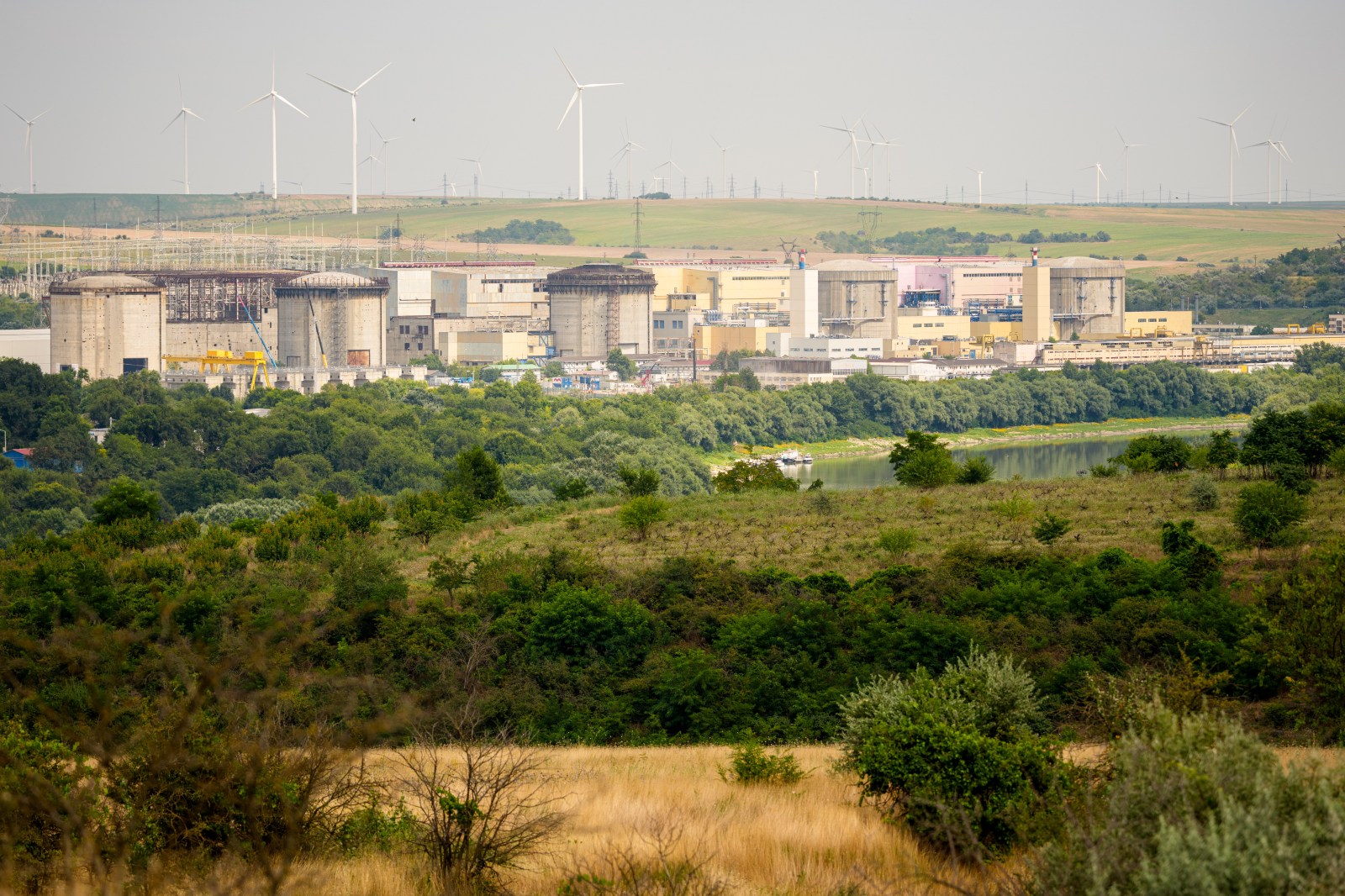
Romania has begun shutting down the second reactor at its Cernavoda nuclear power plant, forced by record low water levels on the Danube River. The plant relies on river water to cool its reactors, and when water levels drop too low, the cooling system cannot work safely, according to WRAL.
Cernavoda normally generates about 20% of Romania's total electricity when both reactors run at full power. The Romanian Ministry of Energy said alternative sources and imports would cover the gap left by the shutdown, according to Yahoo News.
Danube Water Levels Force Back-to-Back Reactor Shutdowns
This is not the first blow to Cernavoda this season. The plant was already forced to shut down its first reactor earlier due to the same low-water problem, according to Winnipeg Free Press. Now the second and final reactor is following the same path. Both units offline means the plant is producing zero power.
Cooling a nuclear reactor requires a steady, large supply of water. The Danube provides that water for Cernavoda. When river levels fall too low, there is not enough water to safely remove heat from the reactor core. At that point, operators must reduce power or shut down entirely to avoid any risk of overheating.
Romania Says Lights Will Stay On Despite Nuclear Gap
Romanian energy officials moved quickly to ease public concern. The Ministry of Energy stated that electricity supply would be fully covered through a mix of alternative power sources and imports from neighboring countries. Romania is connected to the broader European energy grid, which allows it to buy power when domestic output falls short.
Still, losing 20% of national electricity generation is a serious strain. Romania will need to lean heavily on other plants — including fossil fuel and hydropower — as well as cross-border imports to keep the grid stable. Officials have not said how long the shutdown is expected to last, according to Market Screener.
Hungary Races to Raise Danube Levels to Protect Paks Plant
Romania is not alone in facing this crisis. Neighboring Hungary is dealing with the same threat to its only nuclear power station, Paks. Hungary has announced plans to raise the water level of the Danube River to make sure Paks can keep operating, according to Yahoo News.
The fact that two countries are scrambling to protect their nuclear plants from the same river shows how serious the low-water crisis has become across Central and Eastern Europe. The Danube is one of Europe's most important rivers, running through ten countries and powering key infrastructure along the way.
A Wider Warning About Climate Stress on Nuclear Power
Nuclear plants are often seen as reliable, all-weather power sources. But events at Cernavoda show a hidden weakness: they depend on rivers for cooling. When drought or extreme heat drops river levels, even nuclear plants can go offline. This is not the first time this has happened in Europe.
France faced a similar crisis in recent summers, when low water and high river temperatures forced it to cut output at several nuclear plants. As climate change drives more frequent droughts, river-cooled power plants across Europe face growing risk of exactly this kind of disruption, according to Winnipeg Free Press.
Sentiment
NeutralPublishers
5
Articles
5
Reach
5


