US-Iran Deal Expires
US-Iran Framework Agreement Nears Expiration Amid Stalled Talks and Mutual Accusations
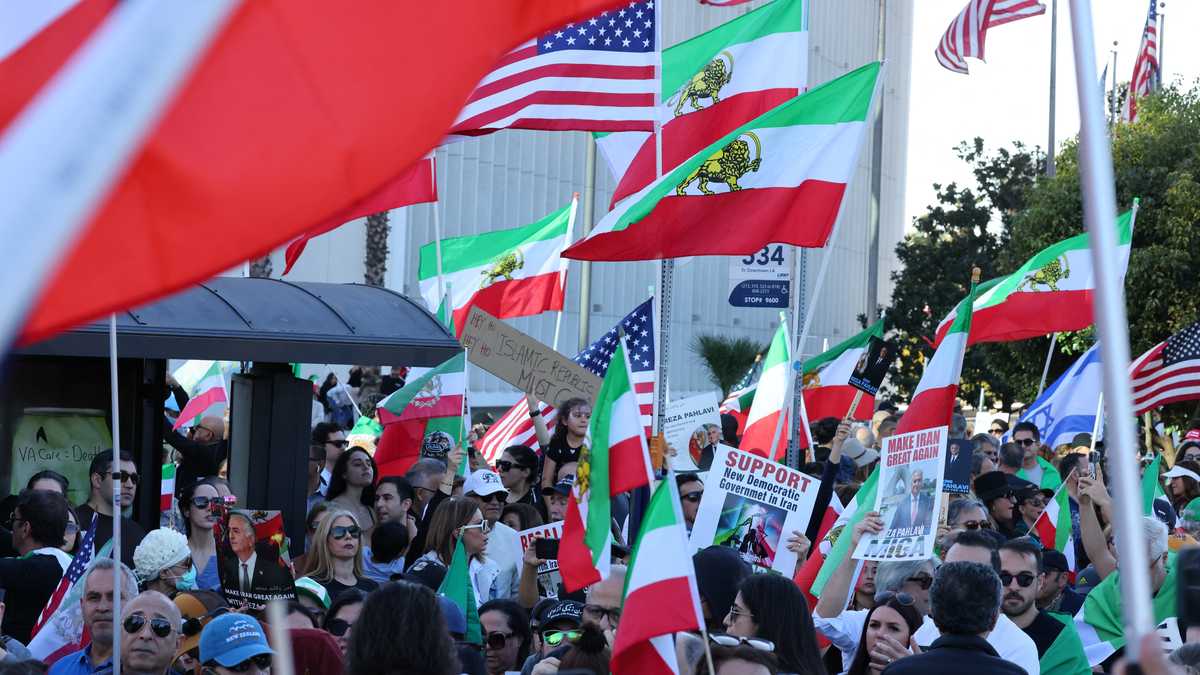
A key framework agreement between the United States and Iran is set to expire Monday, six months after it was signed in June. WLKY reports the deal called for an end to military action and opened a 60-day window for negotiating a permanent settlement on Iran's nuclear program.
With the deadline looming, neither side has signaled a path forward. The White House has not responded to questions about whether the agreement can be extended, according to KMBC.
What the June Deal Was Supposed to Do
The memorandum of understanding, signed in June, was meant to be a starting point. WGAL reports it called for a permanent end to military action between the two countries. It also set up a structured negotiating period — 60 days — for the two sides to reach a final deal on Iran's nuclear program.
The agreement marked a rare moment of diplomacy between Washington and Tehran. But six months later, that momentum has stalled. Neither side has announced a follow-on deal, and the clock is running out.
Both Sides Trade Blame for Violations
Since the deal was signed, the relationship has soured. The U.S. and Iran have each accused the other of breaking the agreement, according to WCVB. No independent body has verified the claims from either side.
The mutual accusations have made it harder to restart talks. When both sides point fingers, building the trust needed for a final deal becomes nearly impossible. Diplomats have not publicly outlined any steps to resolve the dispute.
Strait of Hormuz Becomes the Sticking Point
Negotiations have hit a wall over the Strait of Hormuz, a narrow waterway that carries a huge share of the world's oil supply. KOAT reports both the U.S. and Iran claim to be in control of the strait. That dispute has become one of the biggest blocks to any new agreement.
The Strait of Hormuz matters because roughly 20% of global oil passes through it. Control of the waterway gives either side enormous leverage. With both countries refusing to back down, the standoff has deepened the deadlock in talks.
What Happens if the Deal Expires Monday
The White House has gone quiet on the question of extension. WVTM13 reports the administration did not respond to questions about whether the agreement could be extended past Monday's deadline. That silence has fueled uncertainty about what comes next.
If the deal expires without a replacement, the two countries would lose the fragile framework that has kept direct conflict at bay. Analysts warn that without a new agreement, the risk of military escalation rises sharply. No talks are publicly scheduled before the deadline.
Sentiment
NeutralPublishers
11
Articles
11
Reach
11


