Congo's Deadly Ebola Crisis
Congo's Ebola Outbreak Kills Over 1,000 Amid Community Resistance and Record Spread
Anonymous
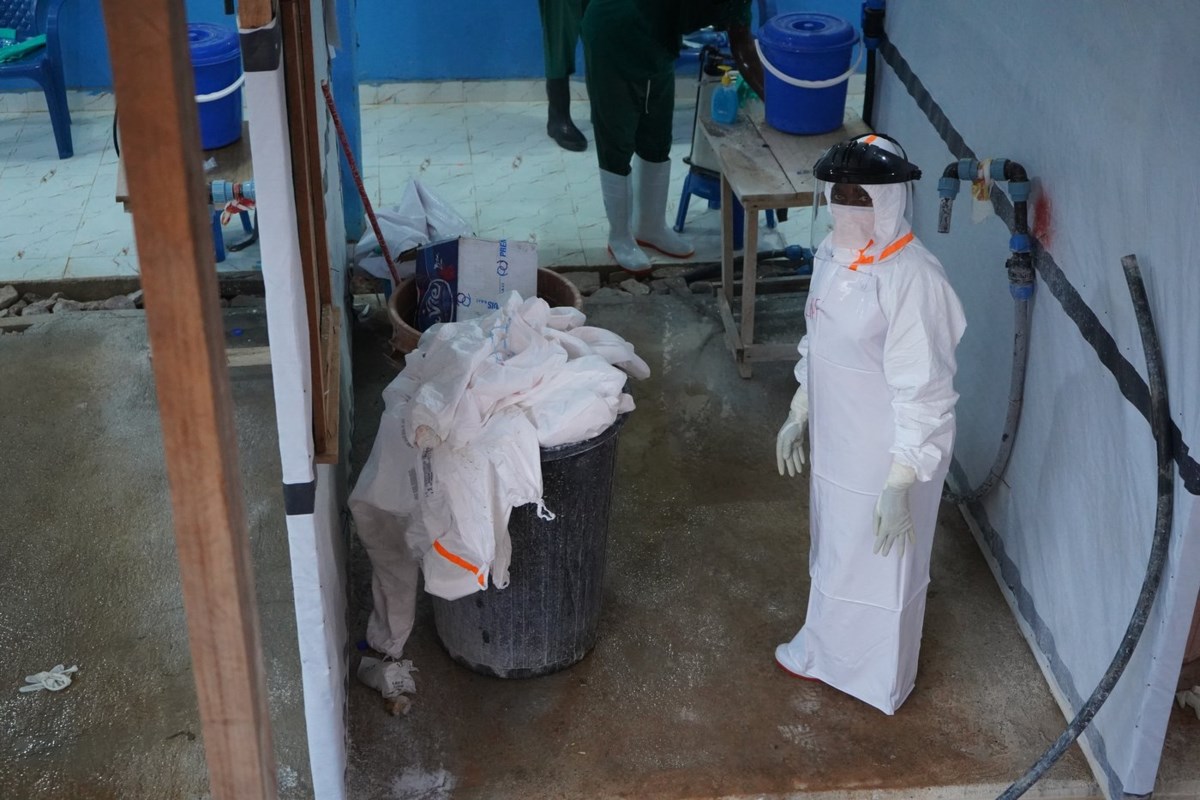
Congo's Ebola outbreak has killed more than 1,000 people, making it the deadliest and fastest-spreading outbreak in history, according to Africa CDC. Dr. Jean Kaseya, head of the Africa Centres for Disease Control and Prevention, confirmed the grim milestone. The outbreak was declared on May 15 and has moved faster than any previous Ebola outbreak on record.
As of Monday, Congo's Ministry of Health recorded 2,473 total cases. At least 737 patients were in isolation or hospitalized, according to Dayton Daily News. The World Health Organization warns the real scale could be two to four times larger than official numbers.
How This Outbreak Became the Fastest in History
The outbreak was declared on May 15. In just weeks, it surpassed the pace of every previous Ebola outbreak ever recorded. Herald Bulletin reported that health officials say it has killed more people at a faster rate than any prior event. That speed has overwhelmed local health systems trying to contain the spread.
The WHO estimates the true case count could be two to four times higher than the 2,473 confirmed cases. That means the real death toll could also be far above 1,000. Unreported deaths in remote communities make an accurate count very difficult, according to Lancaster Online.
Burial Teams Blocked, Slowing the Fight Against Spread
One of the biggest obstacles is getting safe burials done quickly. Unsafe burials are a major way Ebola spreads. But some communities in affected areas have refused to let burial teams operate, according to KDH News. This resistance puts entire neighborhoods at greater risk of new infections.
Shortages of burial supplies have also slowed the response. Some health zones do not even have active burial teams in place. When a death goes unattended for too long, the virus can spread to family members who handle the body, Idaho State Journal reported.
Official Case Count Likely a Fraction of True Toll
Health officials believe the numbers reported do not tell the full story. The WHO says the real outbreak could be two to four times larger. Many deaths in rural areas are never reported to health authorities. Weak infrastructure in eastern Congo makes tracking cases extremely hard, according to Airdrie City View.
With 737 patients currently in isolation or hospitals, the health system is under serious strain. Facilities in the affected zones were not built to handle an outbreak of this size or speed. Aid organizations are racing to scale up support before the outbreak grows further, Daily Advance reported.
Community Distrust Remains a Core Challenge for Responders
Health workers face deep mistrust in some communities. People have blocked Ebola response teams from entering neighborhoods. This kind of resistance is not new in eastern Congo, which has seen multiple outbreaks in recent years. But it remains one of the hardest problems to solve, according to Hastings Tribune.
Experts say building trust takes time that outbreak responders often do not have. Community leaders and local health workers are key to getting people to cooperate. Without that cooperation, stopping the spread becomes nearly impossible, KDH News reported.
Sentiment
NeutralNEGATIVENEUTRALPOSITIVE
Publishers
8
Articles
8
Reach
8
Topics
A
AnonymousAuthor


