Sandpapergate's Lasting Psychological Impact
Australian Cricketer Steve Smith Reveals Sandpapergate Flashbacks Ahead of South Africa Return
Anonymous
Key Points
1
Smith said Cricket Australia chief executive James Sutherland told him he would receive a one-year ban during the preceding 24 to 48 hours, a period he described as especially difficult.
2
The memories that continue to affect Smith include being mobbed by photographers at Johannesburg airport and breaking down during his Sydney press conference after returning home.
3
Smith said his mental state immediately after the scandal was “not great” and that he does not want to reach that point again.
4
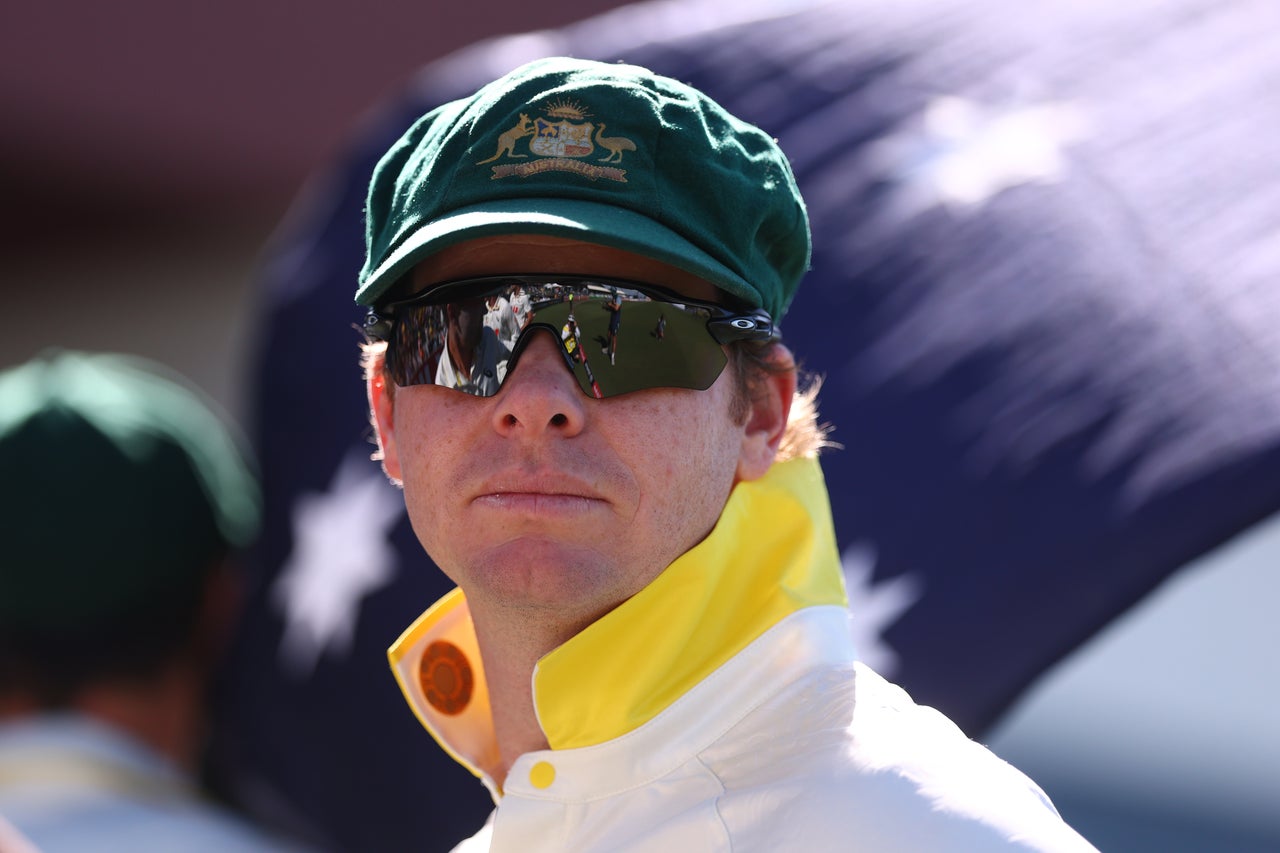
Smith described his anxiety around cameras as an ongoing consequence of the episode, saying he is “not a big fan of cameras” and that their flashes make him revisit the trauma.
Steve Smith says camera flashes still trigger flashbacks to the 2018 Sandpapergate scandal, nearly nine years after his year-long ban for ball-tampering. The former Australia captain told The Independent that he remains anxious around cameras and feels uncomfortable with photographers, stemming from intense media scrutiny he faced after the Cape Town Test controversy. Smith is scheduled to return to South Africa for a three-Test series starting October 9, marking his first tour there since the scandal that shook cricket.
The March 2018 scandal saw Smith and vice-captain David Warner suspended for 12 months and stripped of leadership roles after Cameron Bancroft used sandpaper to rough up the match ball. Smith described the 24 to 48 hours before Cricket Australia CEO James Sutherland told him about the ban as "especially difficult." He has since rebuilt his career, accumulating 10,920 Test runs at an average of 56, but the psychological wounds remain.
The Hardest Hours Before the Ban
Smith said the period immediately before his suspension was announced felt particularly brutal. The Independent reported that Sutherland informed Smith of the year-long ban during a 24 to 48-hour window that Smith described as especially challenging. The uncertainty and anticipation of what was coming made those hours feel endless for the captain, who had no public support from Cricket Australia during the media storm that followed.
Media Mob at Johannesburg Airport Remains Vivid
One of Smith's most painful memories is being mobbed by photographers at Johannesburg's O.R. Tambo International Airport as he tried to fly home. He later broke down in tears at his Sydney press conference upon arrival in Australia. Smith felt "thrown to the wolves" at the airport, abandoned by the organization during one of his lowest moments. The camera flashes from that day still haunt him today.
Ongoing Camera Anxiety Shapes Smith's Life
Smith told The Independent he is "not a big fan of cameras" and struggles with anxiety whenever photographers are nearby. Camera shutters trigger him back to those traumatic hours at the airport and the relentless media coverage that followed. He acknowledged that his mental state in the immediate aftermath was "not great" and said he remains determined never to reach that low point again. The physical reaction to camera flashes is a lasting scar from Sandpapergate.
South Africa Return Brings Old Ghosts Back
Smith will face his first Test series in South Africa since the scandal when Australia arrives in Durban on October 9. Former South Africa captain Graeme Smith expects Australian players to face renewed questions about the controversy, which remains part of the team's permanent history. The three-Test tour will take Australia to Durban, Gqeberha, and Cape Town—the location where the scandal originated. The Independent noted that Smith has rebuilt his career impressively since the ban, including scoring a century against England, but the emotional toll of returning to the scene persists.
Sentiment
Mostly NegativeNEGATIVENEUTRALPOSITIVE
Publishers
38
Articles
71
Reach
109
A
AnonymousAuthor


