US Imposes Brazil Tariffs
US Imposes 25% Tariffs on Brazilian Imports Starting July 22 Over Unfair Trade Practices
Anonymous
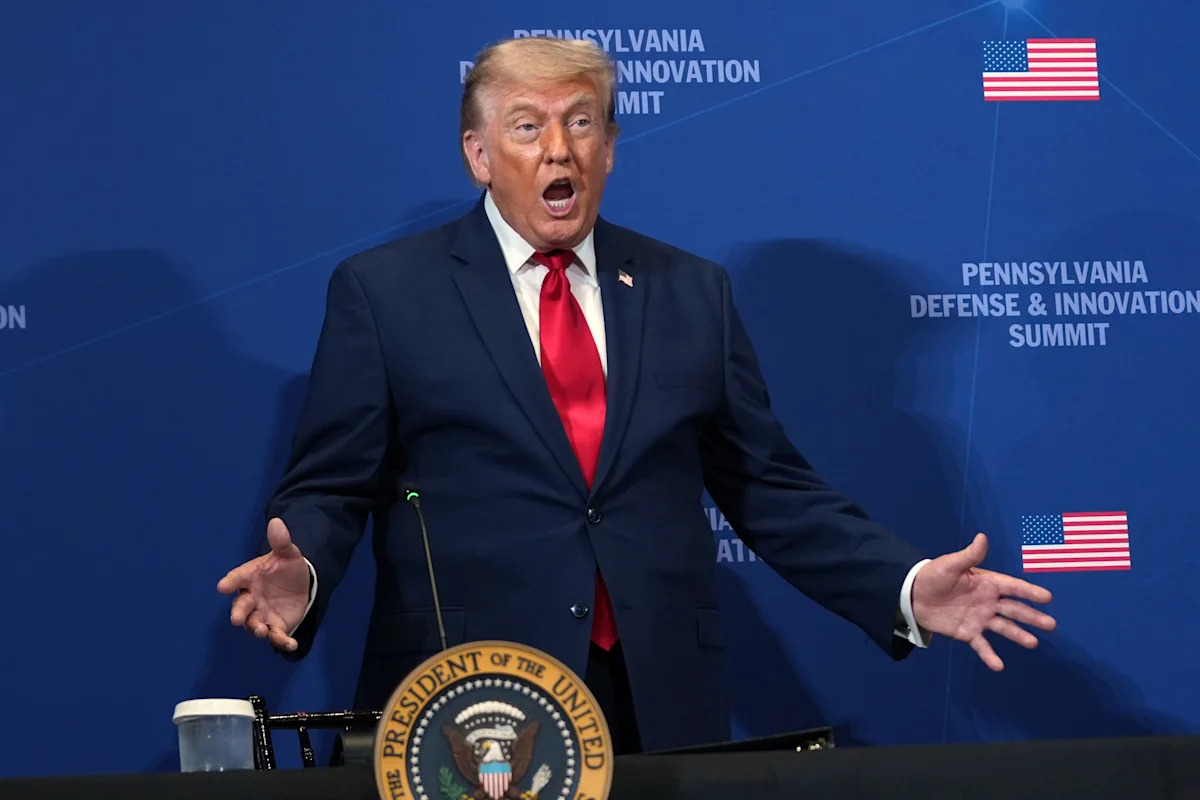
The United States will impose 25% tariffs on a range of Brazilian imports starting July 22, the White House announced, citing unfair trade practices by the world's 10th-largest economy, according to AP News. The tariffs were first proposed last month and follow a yearlong investigation by the Office of the US Trade Representative.
Some goods are exempt. The order carves out products not made in the US or those whose tariffs could disrupt supply chains, Newsday reported. Brazilian President Luiz Inácio Lula da Silva reacted angrily, blaming political motives for the decision.
Year-Long Probe Found Wide Range of Unfair Practices
The US Trade Representative spent a full year investigating Brazil before reaching its conclusion. Investigators found multiple unfair practices, according to AP News. These included lax enforcement of anti-corruption rules and Brazil imposing its own steep tariffs on American goods.
The tariffs were authorized under Section 301 of the Trade Act of 1974. That law gives the US the power to investigate and respond to unfair trade practices by other countries. It is a different legal tool than the one the Supreme Court largely struck down earlier this year.
Supreme Court Ruling Pushed White House Toward Section 301
In February, the Supreme Court ruled against many of Trump's tariffs. Those tariffs had been imposed under the International Emergency Economic Powers Act of 1977, known as IEEPA. The court's decision blocked that approach for broad tariff use, SF Chronicle reported.
By turning to Section 301 instead, the White House found a legal path that survived the court's scrutiny. The 1974 law has a longer track record of surviving legal challenges. Analysts say the Brazil tariffs could become a template for future trade actions.
Lula Fires Back, Calling Tariffs Politically Motivated
Brazilian President Lula da Silva did not hold back in his response. He blamed political considerations, not economics, for the decision, according to MyNorthwest. The anger signals a possible strain in US-Brazil relations heading into the second half of 2025.
Brazil is a major supplier of goods to the US, including steel, agricultural products, and manufactured items. A 25% tariff on those goods could raise prices for American buyers. The exemptions for goods not made in the US are meant to soften that impact.
What Gets Taxed, What Gets a Pass
Not every Brazilian product will face the new 25% rate. The order exempts goods that have no US-made alternative, The Republic News reported. It also exempts items where tariffs could seriously disrupt supply chains that American businesses depend on.
The July 22 start date gives importers a short window to adjust. Businesses that rely on Brazilian goods will need to decide quickly whether to stock up, find new suppliers, or absorb the added cost. The full list of exempted products has not yet been made widely public.
Sentiment
NeutralNEGATIVENEUTRALPOSITIVE
Publishers
14
Articles
14
Reach
14
A
AnonymousAuthor


