Panama Canal Leadership
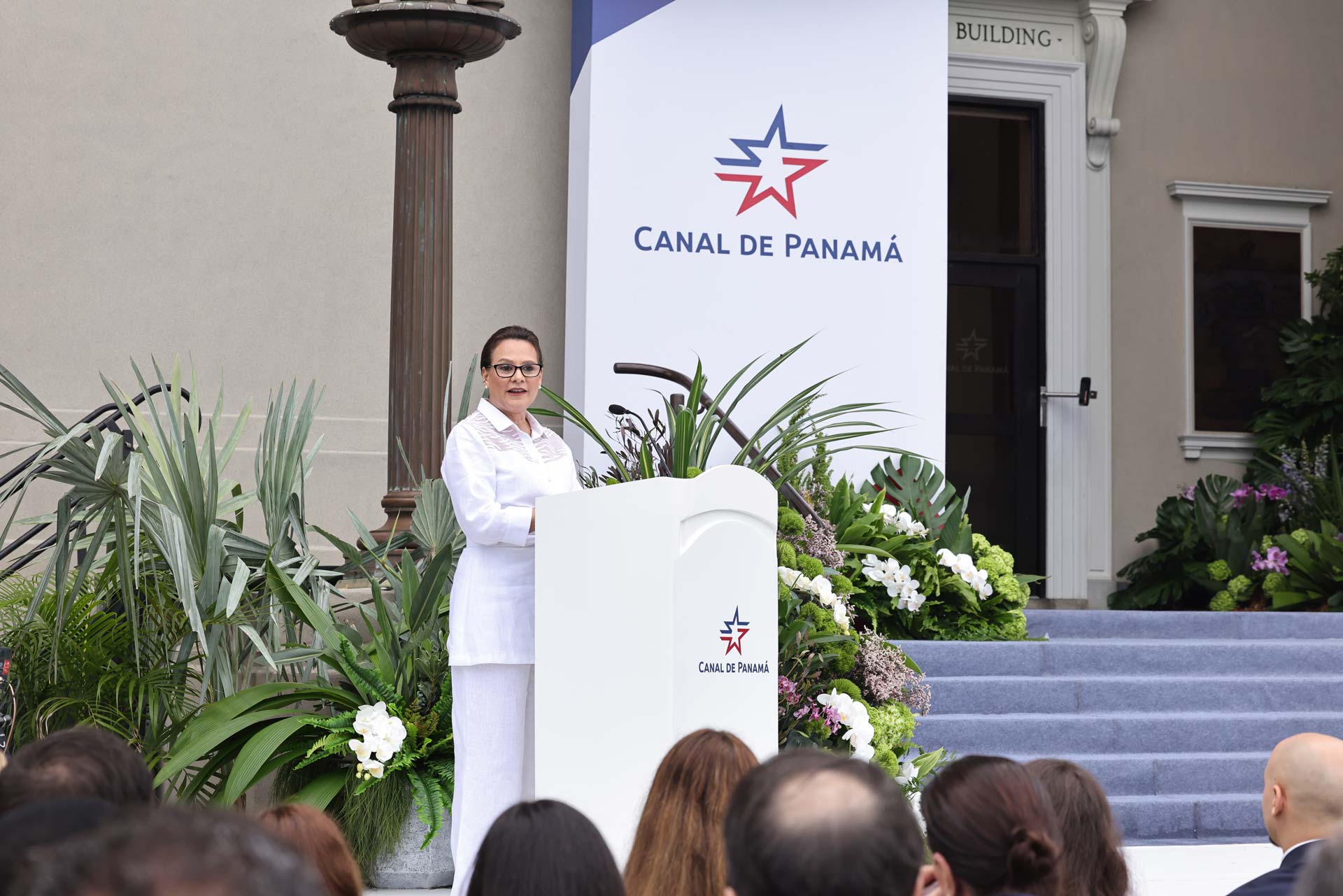
Ilya Espino de Marotta becomes the first woman to lead the Panama Canal.
Anonymous
Key Points
1
Espino de Marotta’s career at the canal began in 1985, when she was a marine engineer and the only woman engineer at the shipyard’s former Industrial Division. She later held posts in dredging, engineering, accounting, maritime operations and project management before becoming executive vice president for engineering and program management.
2
The Panama Canal handles nearly 3% of global maritime trade and is widely viewed as an engine of Panama’s economy, increasing the international and national significance of Espino de Marotta’s appointment.
3
Only three other Panamanians have led the canal since the United States transferred control of the waterway to Panama in late 1999, underscoring the historic nature of Espino de Marotta becoming its first female administrator.
4
Officials expect the Río Indio reservoir to be completed in late 2031 or 2032. The project has already sparked protests among some communities because of its resettlement and environmental implications.
5
Espino de Marotta has warned that shipping customers could move cargo to alternative routes if they conclude that the canal is not pursuing a dependable long-term water solution, making water security central to the waterway’s commercial competitiveness.
Ilya Espino de Marotta became the first woman to lead the Panama Canal, taking office for a seven-year term through 2033. World Cargo News reports she brings four decades of experience at the institution, from marine engineer to executive vice president. She takes command as the canal faces urgent water shortages from drought and El Niño that have already forced shipping restrictions.
The canal handles nearly 3% of global maritime trade, making Espino de Marotta's appointment historically significant for Panama's economy. Rio Times notes she is only the fourth Panamanian to lead the waterway since the U.S. transferred control in 1999. Her immediate challenge: securing long-term water supplies to keep the canal competitive against alternative shipping routes.
A Career Built on Engineering and Expansion
Espino de Marotta started at the canal in 1985 as a marine engineer—the only woman in the shipyard's Industrial Division. Safety4Sea reports her early roles spanned dredging, maritime operations, and accounting. She later managed the canal's previous expansion project, the experience that prepared her for leading the institution through its next phase of growth.
Her path reflects decades of internal advancement. World Cargo News confirms she rose to executive vice president for engineering and program management before her appointment as administrator. This progression signals continuity: the canal's new leader understands both its mechanics and its business.
Water Shortage Threatens Shipping and Revenue
Drought and El Niño have already forced the canal to restrict daily transit numbers, disrupting global shipping. Wall Street Journal reports that water scarcity poses an existential threat: customers may reroute cargo through alternative passages if the canal cannot guarantee reliable operations. This makes water security a competitive issue, not just an environmental one.
The canal needs freshwater to operate its lock systems and to supply drinking water for Panama City and much of the country. Espino de Marotta has warned that failing to solve this problem long-term risks the waterway's global dominance. Low rainfall and climate uncertainty make the situation increasingly urgent.
$1.5 Billion Río Indio Reservoir Plan Faces Delays and Opposition
The canal's main solution is the proposed Río Indio reservoir, budgeted at $1.5 billion. Officials expect completion in late 2031 or 2032. World Cargo News notes the project would support both canal operations and provide drinking water for much of Panama's population, addressing two crises at once.
But the reservoir has sparked protests. Local communities worry about resettlement requirements and environmental damage. Rio Times reports Espino de Marotta must balance these concerns while keeping the project on track. Failure to build the reservoir risks permanent constraints on shipping capacity—and Panama's economic growth.
Expanding Beyond Water: New Terminals and Energy
Espino de Marotta's vision extends beyond water management. World Cargo News reports the canal plans to add new container terminals, develop energy infrastructure, and expand into logistics businesses. These moves aim to diversify revenue and strengthen Panama's role in global trade.
Her background managing the previous canal expansion puts her in a strong position to oversee this growth. But success depends on solving the water crisis first. Without reliable transit capacity, no terminal expansion will matter. The next seven years will define whether the canal thrives or fades.
Sentiment
Mostly NegativeNEGATIVENEUTRALPOSITIVE
Publishers
15
Articles
80
Reach
95
A
AnonymousAuthor


