Texas Gas Deal
South Korea and U.S. Near $22.3B Texas Gas Deal to Power AI Data Centers
Anonymous
Key Points
1
The project’s estimated cost reportedly rose in stages—from $16.8 billion initially to $19.8 billion during negotiations—before settling at $22.3 billion. Washington sought more than $5 billion in additional funding late in the talks, citing water infrastructure and other costs.
2
The proposed agreement is expected to include language committing the two countries to discussions about future U.S. nuclear construction, potentially covering as many as eight reactors, although South Korea’s ministry has said no nuclear-project decision has been made.
3
The broader $350 billion investment pledge reportedly consists of $200 billion for cash and strategic projects and $150 billion for shipbuilding cooperation; in return, the United States agreed to maintain a 15% tariff rate on South Korean goods.
4
South Korean engineering and construction companies—including Samsung C&T, Hyundai E&C and Doosan Enerbility—are expected to compete for leading roles in building the facility, with commercial operations targeted for 2030.
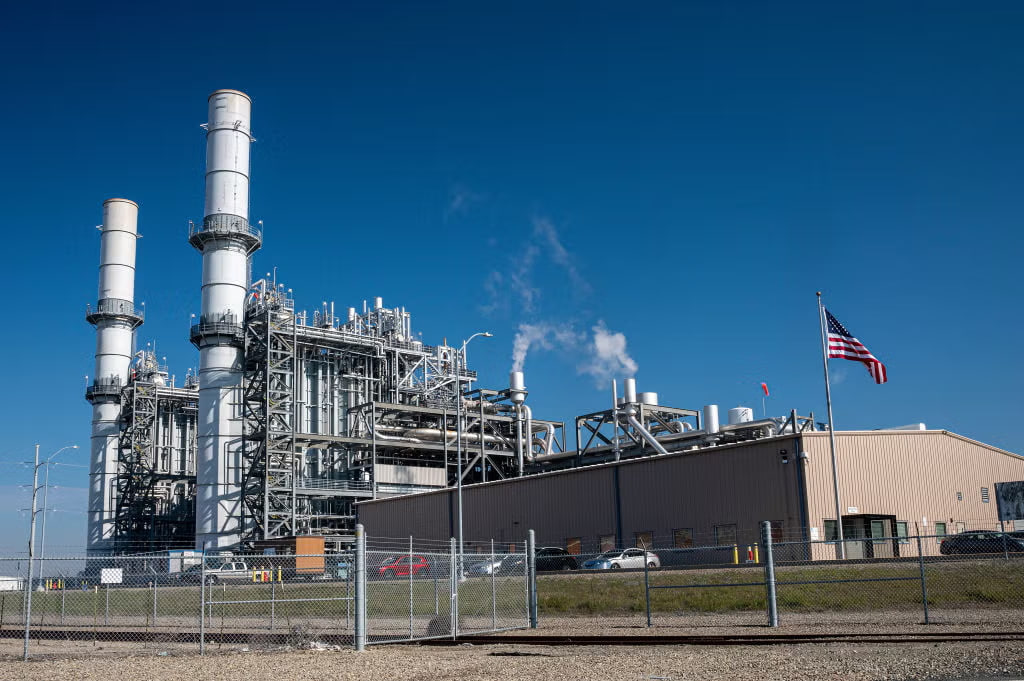
South Korea is close to finalizing a $22.3 billion investment in a natural gas power plant in Texas, according to Benzinga. The 6.3-gigawatt facility would be the first major U.S. project under a 2025 trade deal where Seoul promised $350 billion in American investments. The complex would supply electricity to artificial intelligence data centers, which consume massive amounts of power.
South Korea's government said the reports are premature and negotiations remain active, SANA reported. Officials emphasized that financing details are still unsettled and parliament must approve any final agreement. The project cost has risen from an initial $16.8 billion estimate to the current $22.3 billion figure.
How the Texas Project Fits a Massive Trade Deal
Under the 2025 U.S.-Korea trade framework, Seoul committed to spending $350 billion on American investments in exchange for favorable tariffs, VentureBurn reported. The $200 billion component covers cash and strategic projects, while $150 billion goes to shipbuilding cooperation. In return, the United States agreed to keep a 15% tariff rate on South Korean goods. The Texas gas plant would be the flagship project under this pact.
Beyond the gas facility, Seoul is also exploring nuclear and liquefied natural gas projects in Alaska, Benzinga noted. Preliminary discussions reportedly include potential commitments to build as many as eight nuclear reactors in the United States. However, South Korea's Industry Ministry said no final decision has been reached on nuclear investments.
Why the Project Cost Jumped From $16.8B to $22.3B
The estimated price tag has grown significantly throughout negotiations. Initial projections put the facility at $16.8 billion. The figure rose to $19.8 billion during talks, then climbed to $22.3 billion by late negotiations, according to BigGo Finance. Washington requested more than $5 billion in additional funding for water infrastructure and other costs related to the massive power complex.
The escalating costs reflect the project's scale and location demands. Building a 6.3-gigawatt facility in Encinal, Texas requires extensive infrastructure investment beyond the power plant itself. Local water systems, transmission lines, and other support systems add significant expense to the total development cost.
South Korean Construction Giants Competing for Lead Roles
Three major South Korean firms are expected to compete for leading positions in building the facility, according to TradingView. Samsung C&T, Hyundai E&C, and Doosan Enerbility would vie for contracts to oversee construction of the power plant. Commercial operations are targeted to begin in 2030, giving the companies roughly five years to complete the massive project.
The project represents a major opportunity for South Korea's construction industry to expand into the U.S. energy market. Winning contracts would secure high-profile work and deepen Seoul's economic ties to America. The facility's size and strategic importance make it one of the most significant infrastructure deals between the two nations in recent years.
Sentiment
Mostly PositiveNEGATIVENEUTRALPOSITIVE
Publishers
25
Articles
95
Reach
120
A
AnonymousAuthor


