Preserving a 150-year streak.
Stefanos Tsitsipas fights to save tennis's historic one-handed backhand streak at the US Open.
Anonymous
Key Points
1
Tsitsipas reached the fourth round by defeating Arthur Fils, Lloyd Harris and Jiri Lehecka, a specific sequence of wins not detailed in the summary.
2
Tsitsipas publicly embraced the pressure on X, writing: “I have a 150-year streak to preserve.”
3
The 28-year-old Tsitsipas is attempting to revive the form that once took him to world No. 3, while Shelton is described as the world No. 9 and one of the tournament’s crowd favorites.
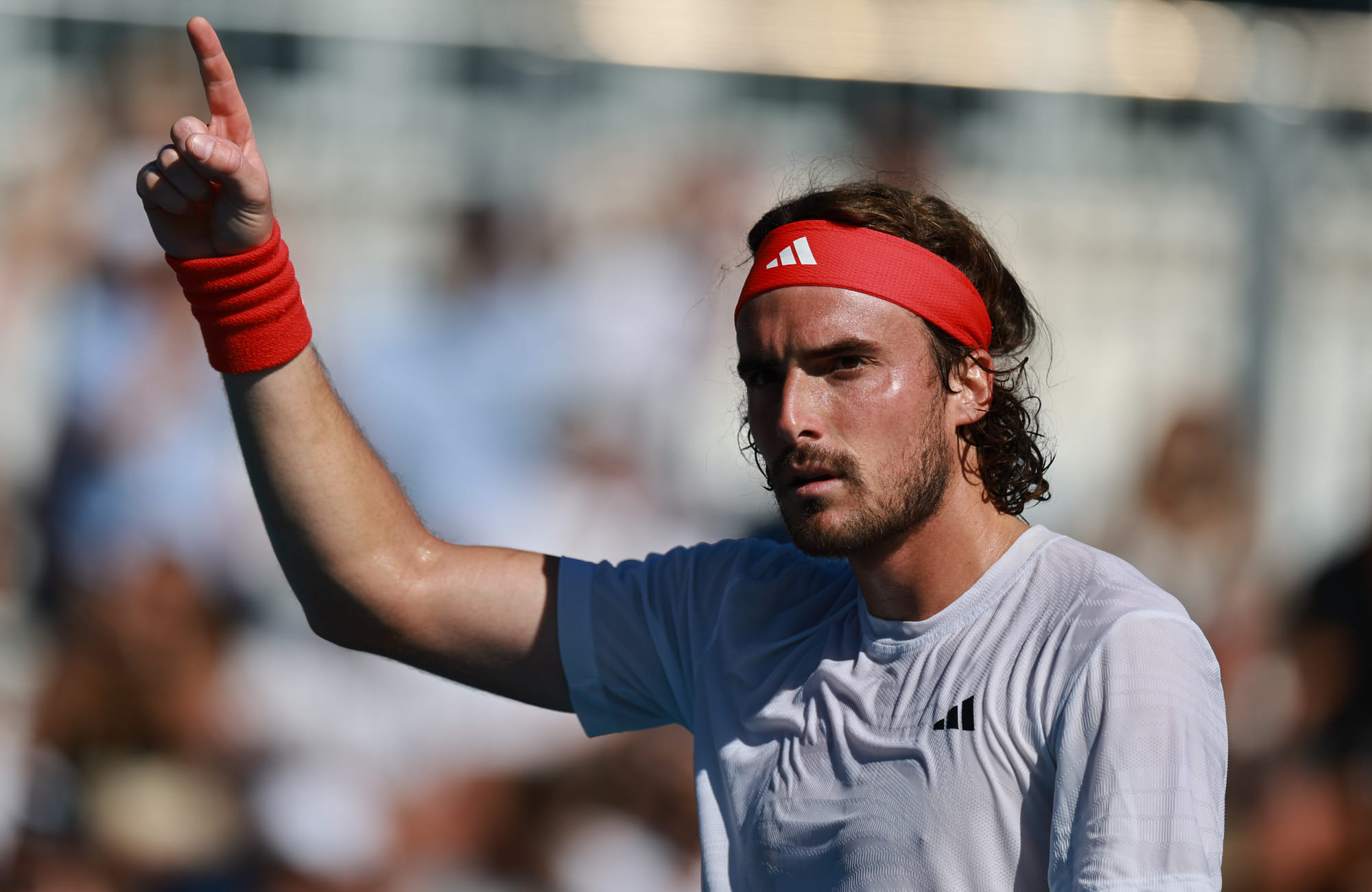
Stefanos Tsitsipas faces a historic test at the US Open: defeat American Ben Shelton in the fourth round or watch a 150-year tennis record crumble. The Greek star is the last one-handed backhand player left in the men's draw. If he loses, no player using a one-handed backhand will reach a Grand Slam semifinal for the first time since Operation Sports said the streak began at Wimbledon in 1877.
Tsitsipas has publicly embraced the pressure, writing on X: "I have a 150-year streak to preserve." Khel Now reports the 28-year-old, once ranked world No. 3, is attempting to revive his form after reaching this stage of a major for the first time since the 2024 French Open. He will face Shelton, the world No. 9 and a crowd favorite.
Why This Streak Matters in Modern Tennis
The one-handed backhand is vanishing from professional tennis. No player using this stroke reached a semifinal at the Australian Open, French Open, or Wimbledon this year. Khel Now notes that Tsitsipas is the sole hope to keep alive a record that has held for 149 years. The decline reflects a shift: modern players favor the two-handed backhand for power and consistency.
Tsitsipas Acknowledges the Unusual Technique Gap
Tsitsipas has explained why maintaining his one-handed backhand is difficult in today's game. He switches between one- and two-handed backhands during rallies—an unusual hybrid approach he struggles to replicate consistently. This mixing strategy, once an advantage, now puts him at a disadvantage against modern players who specialize in one pure stroke.
The technique demands a level of adaptability few players possess. Tsitsipas cannot simply copy the old masters; he must innovate within the constraints of modern racket technology and opponent tactics. His path through the draw—defeating Arthur Fils, Lloyd Harris, and Jiri Lehecka—shows he can compete, but Shelton will test whether that form holds up.
Shelton Stands Between History and the Quarterfinals
Ben Shelton is no easy out. Yahoo Sports reports the American is working on power serves and brings elite athleticism to every match. TeleSUR English confirms that Shelton defeated Tsitsipas in their fourth-round encounter, ending the historic streak. Shelton's aggressive game and speed could overwhelm Tsitsipas's style if the Greek fails to control the pace early.
What a Loss Means for Tennis History
If Shelton wins, TeleSUR English reported that it marks the first time in 150 years that no one-handed backhand player reaches a Grand Slam semifinal. This is not just a record; it symbolizes the end of an era. The one-handed backhand, once the mark of elegance and technical mastery, will have been pushed out of the sport's highest stages entirely.
Sentiment
Mostly NegativeNEGATIVENEUTRALPOSITIVE
Publishers
19
Articles
23
Reach
42
A
AnonymousAuthor


