Sharpton Defamation Battle in Nolan Wells Case Escalates
Sharpton Defamation Battle in Nolan Wells Case Escalates
Anonymous
Key Points
1
Sharpton's alleged remarks were made at multiple public settings, including a July 14 interview with TMZ, a National Association of Black Journalists convention appearance, and an Aug. 19 Wells birthday prayer vigil, according to the defamation claims.
2
The friends’ presuit-letter claims Sharpton publicly accused them of felonies in Mississippi—specifically murder, hindering prosecution in the first degree, and tampering with evidence—along with assertions of inflammatory racial rhetoric.
3
Sharpton’s lawyers have signaled they will seek dismissal of a potential defamation suit at the earliest stage and may pursue counterclaims, including seeking compensatory and punitive damages and attorney’s fees, invoking New York protections for speech on public concerns.
4
A presuit demand letter from Wells’ friends’ lawyers was issued on Aug. 21, and the Wells investigation remains active with autopsy results inconclusive and a grand jury review pending, underscoring ongoing questions and calls for transparency.
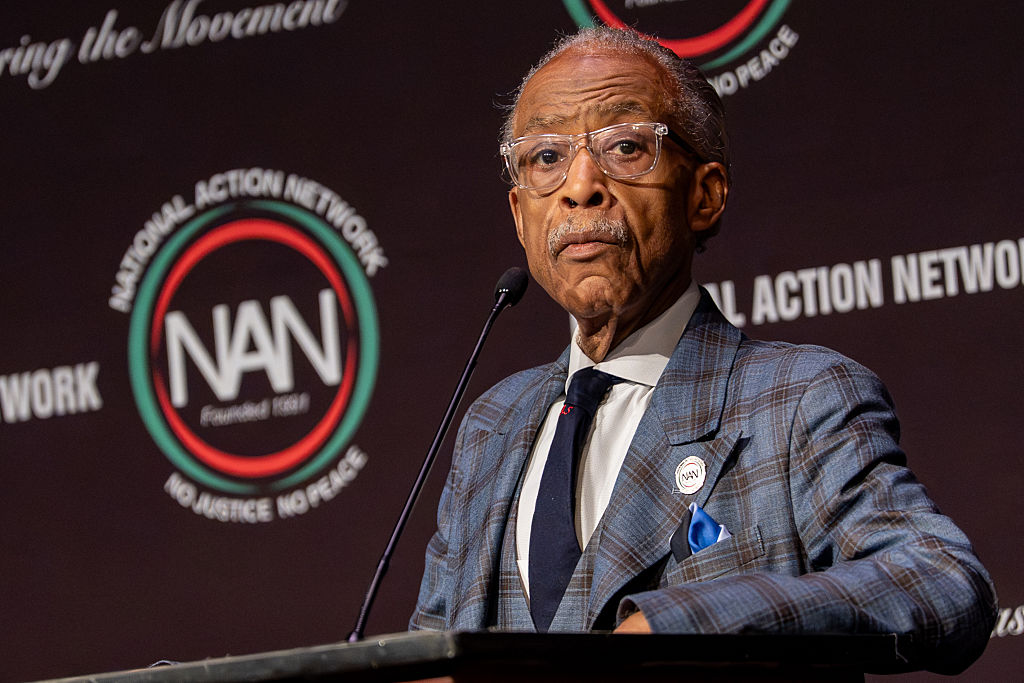
Rev. Al Sharpton is refusing to back down after three friends of 18-year-old Nolan Wells threatened to sue him for defamation. Warren Hudson, Jax Pitalo, and Morgan Seymour sent presuit demand letters on August 21 claiming Sharpton publicly accused them of serious crimes—murder, hindering prosecution, and tampering with evidence—according to Radar Online. Sharpton's camp welcomed the fight, vowing to defend against the claims and potentially sue in return.
The dispute centers on Sharpton's public remarks about Wells' mysterious death on Horn Island in July. Chicago Defender reports that Sharpton made statements at a TMZ interview, a journalism convention, and an August 19 birthday vigil for Wells. Sharpton's attorneys argue he asked questions about the investigation—he did not name or accuse the three men of crimes. The case remains under investigation with inconclusive autopsy results, fueling calls for transparency from authorities.
Sharpton Doubles Down on Refusing Apology
Sharpton has made clear he will not apologize or retract any statements. According to Bossip, his legal team signaled they plan to fight the defamation claims at the earliest stage and may file counterclaims seeking damages and attorney's fees. His lawyers invoked New York protections for speech on matters of public concern, arguing that discussing an ongoing death investigation falls within protected speech.
The civil rights leader's stance reflects a broader legal position: that he was invited to participate in discussions about Wells' death and raised legitimate questions rather than made criminal accusations. Yahoo reports Sharpton stated he won't be silenced by the threat of litigation. His refusal to back down sets the stage for a costly legal battle over free speech boundaries in high-profile cases.
Friends Allege Inflammatory Accusations on Public Stages
The three friends claim Sharpton's remarks came at multiple high-profile venues. Radar Online documents that Sharpton spoke about the case in a July 14 TMZ interview, at a National Association of Black Journalists convention, and at the August 19 Wells birthday prayer vigil. The friends' lawyers contend these public statements—at widely covered events—specifically accused Hudson, Pitalo, and Seymour of felonies and used inflammatory racial rhetoric tied to their accusations.
By choosing public forums, the friends argue Sharpton amplified allegations that reached broad audiences. Blavity reports that the presuit demand letter served formal notice of the defamation claim and signaled the friends' intent to sue if Sharpton did not comply with demands to apologize, retract statements, and delete related content. The public nature of the remarks—and their reach—forms a key part of the damages claim.
Investigation Remains Open With Unanswered Questions
Nolan Wells, 18, disappeared on July 4 from Horn Island. Chicago Defender states that autopsy results have been inconclusive and a grand jury review is pending. The ongoing nature of the investigation—with no clear answers about how Wells died—has fueled public scrutiny and calls from advocates like Sharpton for transparency and accountability from authorities.
Sharpton's legal team will likely argue that the unresolved circumstances justify his public questioning. Without definitive answers, they contend, raising questions about the case and the people present at the time falls within protected speech. The defamation case now hinges on whether stating questions about an investigation—rather than direct accusations—constitutes defamation. Both sides are preparing for a protracted fight over speech limits.
Sentiment
Mostly NegativeNEGATIVENEUTRALPOSITIVE
Publishers
13
Articles
14
Reach
27
Topics
A
AnonymousAuthor


