Protecting Young Health
UK Government to Ban Energy Drink Sales to Under-16s from April 2027
Anonymous
Key Points
1
The public consultation drew nearly 1,100 responses from a broad mix of stakeholders—including businesses, public health organisations, enforcement bodies and members of the public—indicating broad support for introducing an age restriction on high-caffeine energy drinks.
2
Industry engagement notes that about 80% of independent retailers already operated voluntary policies restricting energy drink sales to under-16s, and the British Soft Drinks Association’s code of practice also guides members away from marketing these drinks to children.
3
A separate consultation on the sale of high-caffeine energy drinks to under-16s took place in September 2025, informing the government’s later policy steps.
4
The legislation is subject to parliamentary approval, meaning the ban will only come into effect if and when it passes through Parliament.
5
The policy has been framed as meeting a Labour manifesto pledge, a point highlighted by Jamie Oliver and reported by The Mirror as part of the broader public health campaign behind the ban.
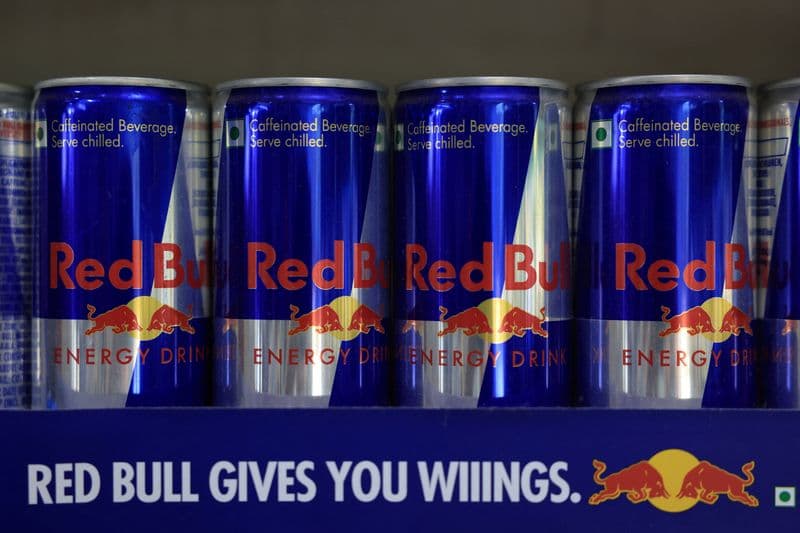
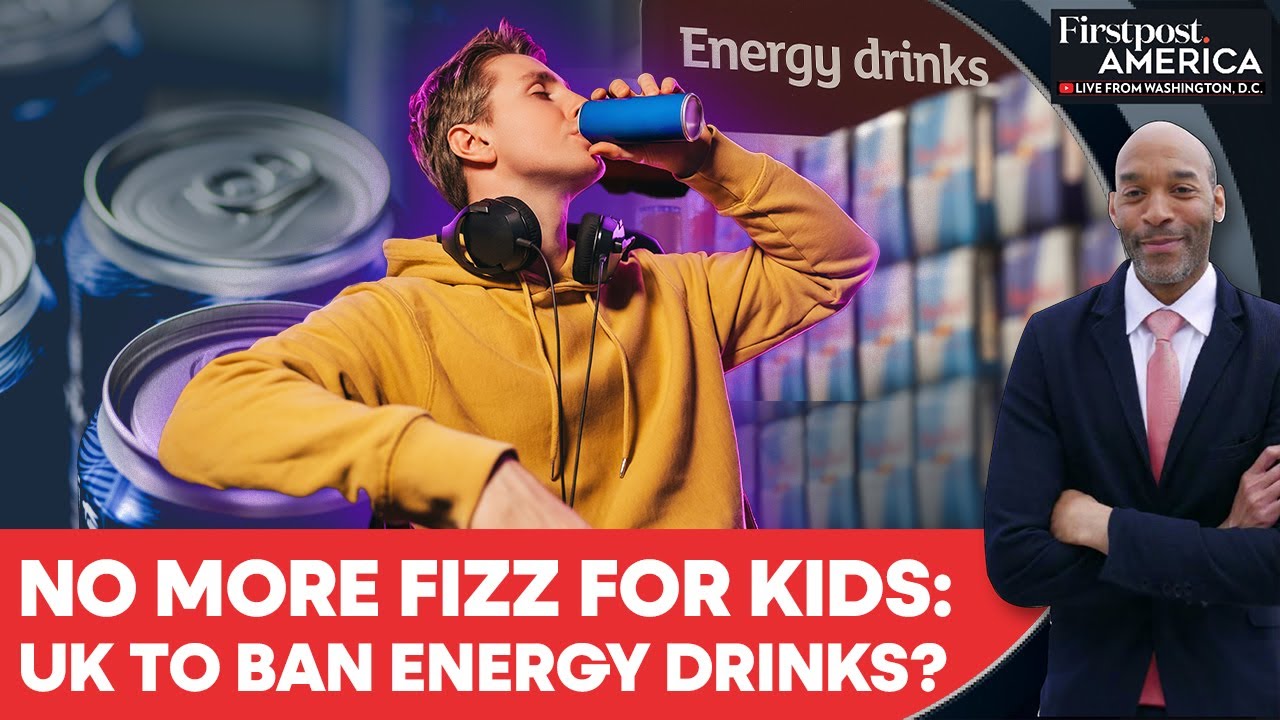
England will ban the sale of high-caffeine energy drinks to children under 16 starting April 2027, according to Yahoo Finance. The ban covers shops, vending machines, and online retailers — targeting any drink with more than 150mg of caffeine per litre. Officials say around 100,000 children drink these beverages every day.
The move fulfils a Labour manifesto pledge and follows a public consultation that drew nearly 1,100 responses from businesses, health groups, and the public. Enforcement will fall to local authorities, with fixed financial penalties for retailers caught selling to underage customers, US News reported.
100,000 Children a Day Drinking High-Caffeine Drinks
The government says the health case for the ban is clear. Officials point to links between high-caffeine drinks and poor physical health, mental health problems, and worse school performance. Consumption is also higher among children in more deprived areas, raising concerns about inequality, according to Yahoo Finance.
Energy drinks covered by the ban contain more caffeine per litre than a double espresso. For context, a standard 500ml can could contain over 75mg of caffeine — well above what experts recommend for children. The ban does not affect business-to-business sales, meaning wholesale supply chains are excluded.
Broad Support but Industry Asks for More Time
Health advocates, schools, and public campaigners have broadly welcomed the ban. Celebrity chef Jamie Oliver has been among the most vocal supporters, framing the policy as a major win for children's health and a step toward better classroom behaviour, 95kqds.com reported.
Industry voices have been more cautious. About 80% of independent retailers already had voluntary policies stopping sales to under-16s. The British Soft Drinks Association also guides its members away from marketing these drinks to children. Still, trade groups are urging the government to allow more time and training before the law takes effect.
Parliament Must Still Approve Before April 2027
The ban is not yet law. It still needs to pass through Parliament before it can take effect. A separate government consultation on the same issue was held in September 2025, helping shape the policy's final form, according to Yahoo Finance.
If Parliament approves the legislation, England would join a growing number of countries that restrict children's access to high-caffeine products. The government has framed the policy as part of a broader push to raise a healthier generation and cut the disruption energy drinks cause in schools.
What Changes — and What Stays the Same
From April 2027, no shop, vending machine, or online store in England may sell a high-caffeine energy drink to anyone under 16. Fixed penalty notices will be issued for violations. Local councils will be responsible for policing the rules, not a central government agency.
Business-to-business sales are carved out of the legislation entirely. That means wholesale purchases between companies are unaffected. The government says the focus is on the point where drinks reach children directly — the shop counter, the vending machine, and the online checkout, Yahoo Finance reported.
Sentiment
Mostly NegativeNEGATIVENEUTRALPOSITIVE
Publishers
12
Articles
88
Reach
100
A
AnonymousAuthor