MI5 Deception Uncovered
Watchdog Finds MI5 Officers Gave False Evidence to Courts Amid Systemic Failings
Anonymous
Key Points
1
Agent X, a neo-Nazi informant, used his MI5 status to coerce his girlfriend Beth, including attacking her with a machete; he later moved abroad while MI5 was still investigating him.
2
MI5 initially told IPCO and the courts that it could neither confirm nor deny its relationship with Agent X, a standard 'no comment' stance that frustrated Beth’s legal actions and was later contradicted by reporting on his status.
3
IPCO’s review described 'systemic failures' and 'candour failures' within MI5, warning that lies or misdirection to regulators and courts undermine the entire basis of oversight and accountability.
4
There is potential for contempt of court proceedings against individual MI5 officers; a panel of judges will decide whether to initiate such actions over the false evidence related to Agent X.
5
Beth’s compensation settlement with MI5 was agreed after the Investigatory Powers Tribunal action over Agent X, with the payment amount undisclosed.
Britain's domestic spy agency MI5 lied to three courts about its ties to a violent neo-Nazi informant known as Agent X, a government watchdog has found. CP24 reported that Home Secretary Shabana Mahmood is now taking what she called "urgent action" to strengthen oversight of MI5 following the damning findings.
Agent X, a far-right extremist on MI5's payroll, used his protected status to abuse his girlfriend Beth — including attacking her with a machete. When Beth tried to take legal action, MI5 officers told courts they could neither confirm nor deny any link to the man. That claim, watchdogs say, was false.
How MI5 Officers Lied to Protect a Violent Informant
The Investigatory Powers Commissioner's Office (IPCO) — the body that oversees spy agencies — reviewed MI5's conduct and found what it called "systemic failures" and "candour failures." The Canary reported that Deputy Commissioner Sir John Goldring specifically criticised MI5 officers for lying or misleading both the regulator and multiple courts during the case.
MI5 used a standard legal shield, telling courts it could "neither confirm nor deny" its relationship with Agent X. That stance blocked Beth's legal efforts for years. Investigators later confirmed MI5 did have an active relationship with the man — making those courtroom denials false. A panel of judges will now decide whether to launch contempt of court proceedings against individual officers.
Agent X's Abuse and Beth's Long Fight for Justice
Agent X was a neo-Nazi whom MI5 used as an informant. The BBC uncovered that he had violently abused his partner Beth, including an attack with a machete. The Hour reported that MI5 continued investigating him even after he moved abroad, suggesting the agency was aware of serious concerns about his behaviour.
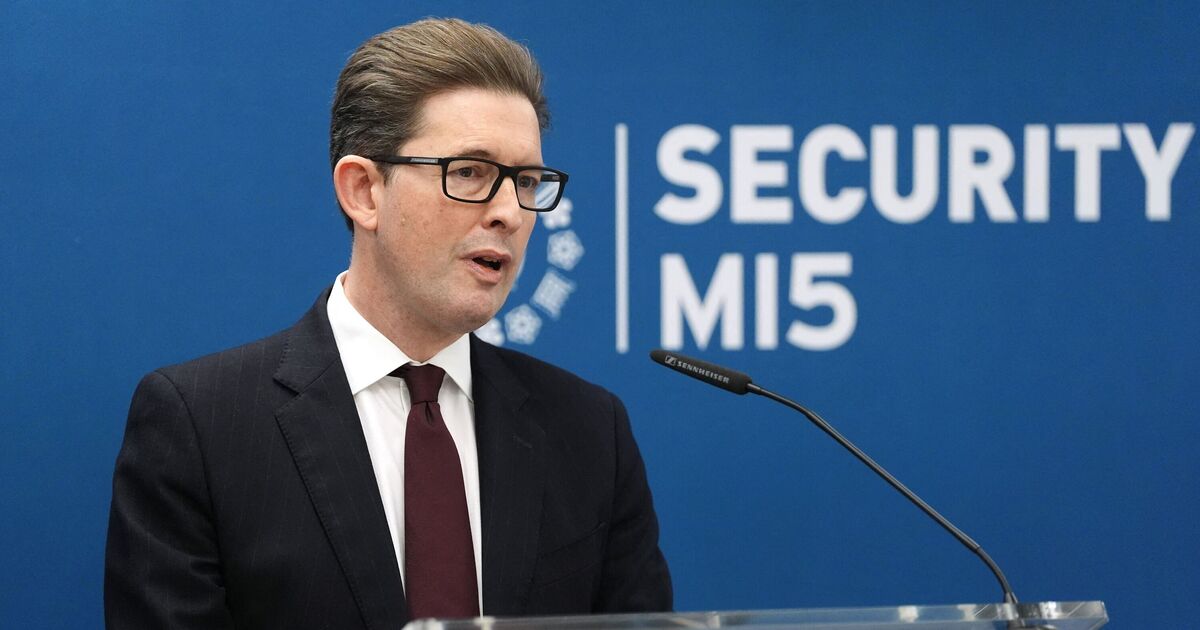
Beth took her case to the Investigatory Powers Tribunal, a specialist court that handles complaints against spy agencies. MI5 eventually agreed to a compensation settlement with her. The exact payment amount was not disclosed. MI5 Director General Sir Ken McCallum apologised to Beth and promised reforms.
Watchdog Warns That Lies Rot the Entire Oversight System
IPCO's findings go beyond this one case. The office warned that when spy agency officers lie to regulators and courts, it destroys the foundation that makes oversight possible at all. VinNews noted that the watchdog's report raised the possibility of contempt proceedings, a rare and serious step that signals deep institutional concern.
Oversight of spy agencies depends almost entirely on trust. MI5 operates in near-total secrecy. Judges and commissioners must rely on what officers tell them. The IPCO report found that trust was broken — not by accident, but through deliberate misdirection by multiple officers across several court hearings.
Government Promises Reform as Scrutiny of MI5 Deepens
Home Secretary Mahmood pledged to act fast. Express reported that MI5 has been "slammed" by the IPCO, and that pressure is now growing on the agency to show real change rather than just apologies. McCallum's public apology was seen as unusually direct for a spy chief, but critics say words are not enough.
The case has sparked a broader debate about how Britain oversees its security services. MI5 works largely in the dark, with few checks visible to the public. The Agent X scandal has made clear that even the hidden checks — the courts and commissioners — were being misled. Lawmakers are now calling for stronger, independent accountability measures.
Sentiment
Mostly NegativeNEGATIVENEUTRALPOSITIVE
Publishers
10
Articles
54
Reach
64
A
AnonymousAuthor


