Compromise Budget Approved
Michigan Lawmakers Approve Compromise Budget to Close $1 Billion Gap After 23-Hour Session
Anonymous
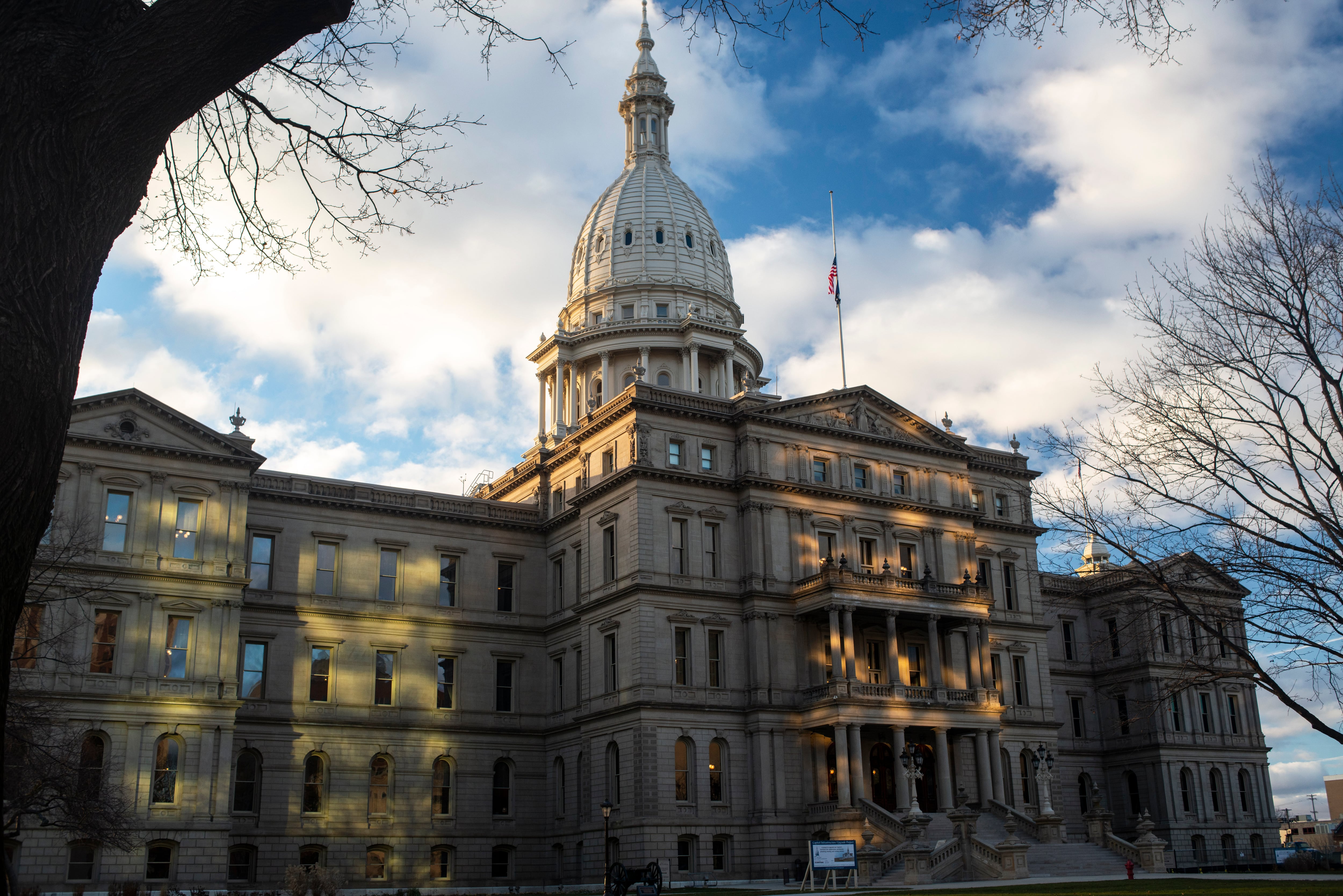
Michigan lawmakers approved a new state budget early Friday after a grueling 23-hour marathon session, closing a $1 billion tax revenue gap through spending cuts and financial maneuvers, according to Idaho Statesman. The Senate passed the main budget bill 27-9, and the House followed with an overwhelming 99-7 vote.
The final budget lands at roughly $84 billion — close to the current year's total — but getting there required painful trade-offs that left 10 state departments with less money than before, Daily Item reported.
A $1 Billion Gap Closed With Cuts and Maneuvers
Michigan faced a $1 billion shortfall in tax revenue heading into budget talks. Lawmakers responded with a mix of spending cuts and funding shifts to make the numbers work, according to Fresno Bee. No single fix closed the gap — it took an array of moves across multiple areas of the state budget.
Ten state departments will receive less funding than the previous fiscal year. Programs like Pure Michigan, the arts and culture initiative, and the Office of Global Michigan all took cuts, Kansas City Star reported. Those programs had been priorities in earlier budget proposals but did not survive the final compromise.
Schools Get a Boost, With $125 Million for Special Projects
Not everything in the budget shrank. Michigan will increase its basic per-student funding for public schools. Literacy programs will also see a boost under the new plan, according to Charlotte Observer.
Lawmakers also set aside $125 million for special projects that individual legislators requested for their districts. These are sometimes called "earmarks" — targeted spending that elected officials secure for their home communities. That pot of money survived even as other programs were cut.
Senate Leader Calls It a Budget 'Full of Compromises'
Senate Appropriations Chairwoman Sarah Anthony did not pretend the process was easy. She described the budget as "full of compromises" but also called it the "proudest thing" of the legislative session, according to Union Bulletin. That kind of frank language is rare from a budget leader defending a difficult final product.
The session ran through the night, with lawmakers working more than 23 straight hours to reach a deal. The wide margin in the House — 99-7 — suggested broad bipartisan support for the final package, even after a painful negotiation process.
What Comes Next for Michigan's Tight State Finances
The $84 billion budget now heads to Governor Gretchen Whitmer for her signature. The overall size of the budget is similar to the current year, but the mix of spending looks different. Departments that lost funding will need to adjust how they operate, according to Idaho Statesman.
The $1 billion revenue gap reflects a broader slowdown in state tax collections. Michigan is not alone — many states are tightening budgets after several years of strong post-pandemic revenue. How the cuts affect services on the ground will become clearer in the months ahead.
Sentiment
NeutralNEGATIVENEUTRALPOSITIVE
Publishers
6
Articles
6
Reach
6
A
AnonymousAuthor