Smart Protein Swaps
Nutrition Experts Advocate Whole Food Snacks Instead of Processed Protein Bars for Healthier Intake
Anonymous
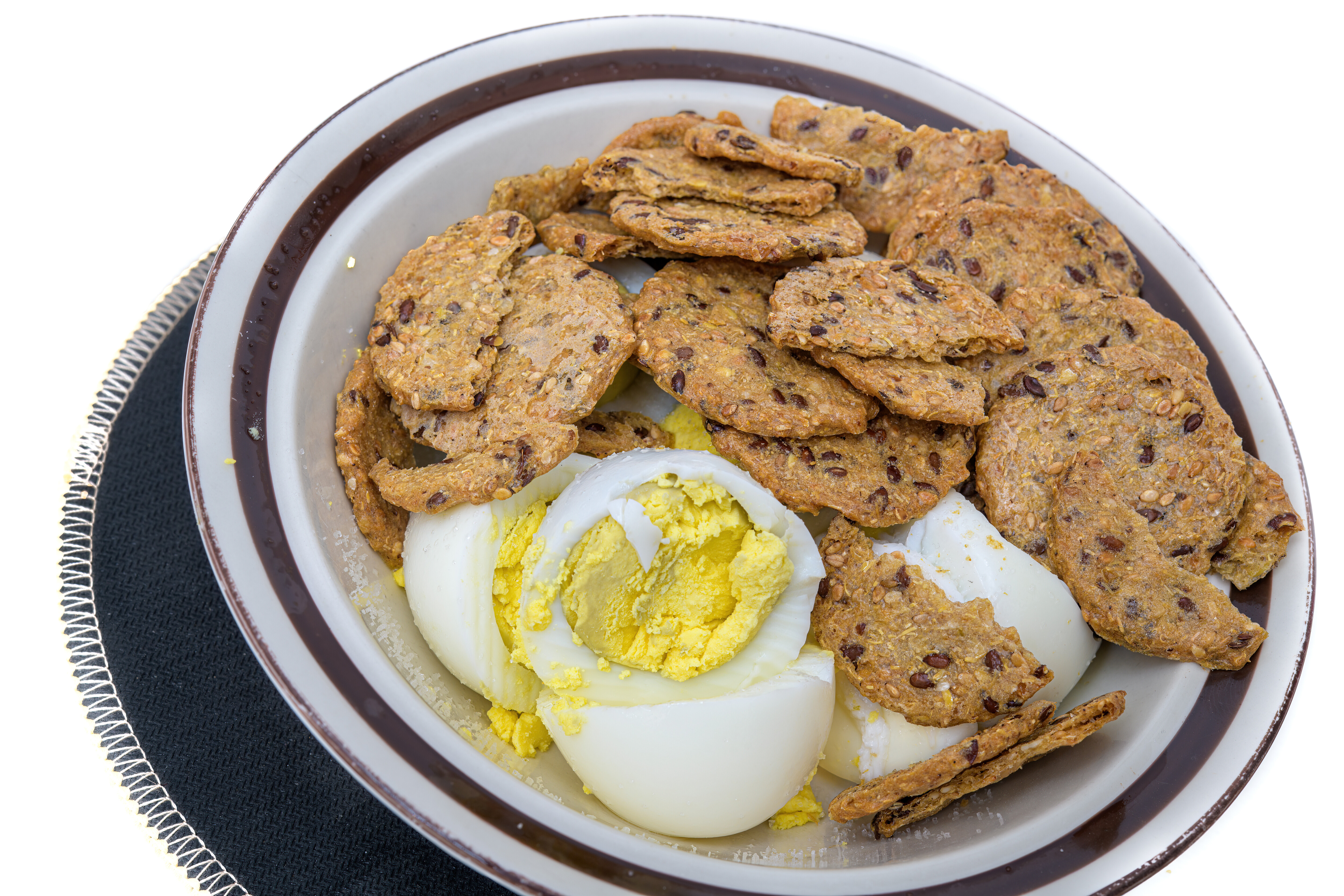
Protein bars are a popular snack, but experts say they are often not the best way to boost your protein intake. According to NBC Philadelphia, these bars are classified as dietary supplements — meaning they do not replace a healthy diet built around whole foods.
Many protein bars contain incomplete proteins, artificial sweeteners, and saturated fats. Some sweeteners can cause indigestion and diarrhea. The good news: there are better, whole-food options already sitting in your pantry.
Why Protein Bars Fall Short as Everyday Snacks
Protein bars sound healthy, but NBC DFW reports they often contain incomplete proteins. Incomplete proteins lack all nine essential amino acids your body needs. They also tend to have lower digestibility rates, meaning your body absorbs less of the protein listed on the label.
On top of that, many bars are packed with artificial or low-calorie sweeteners. These additives can upset your stomach. NBC Chicago notes that these highly processed foods should not be an everyday snack for anyone trying to eat well.
How Much Protein You Actually Need Per Day
The Dietary Guidelines for Americans recommend adults eat 1.2 to 1.6 grams of protein per kilogram of body weight. For a 150-pound person, that works out to roughly 82 to 109 grams of protein per day. According to NBC Washington, that breaks down to about 20 to 40 grams per meal and 10 to 15 grams per snack.
Hitting those snack targets is easier than most people think. A handful of whole-food options can get you to 10 to 15 grams without the added sugars or artificial fillers found in most bars.
Top Whole-Food Snacks That Beat Processed Bars
NBC Miami highlights several easy, high-protein snacks to keep on hand. Greek yogurt delivers around 15 to 20 grams of protein per cup. A hard-boiled egg provides about 6 grams. A quarter-cup of roasted edamame packs roughly 9 grams. These are all complete proteins, meaning they contain all nine essential amino acids.
Other strong options include cottage cheese, canned tuna, and a small handful of mixed nuts. According to NBC San Diego, these foods are minimally processed, easier for your body to digest, and widely available at most grocery stores.
Simple Swaps to Build a Protein-Rich Snack Routine
Making the switch from protein bars to whole foods does not require much effort. NBC Connecticut suggests pairing foods to hit your protein target. For example, two tablespoons of peanut butter on whole-grain crackers gives you about 8 grams of protein. Add a small cup of cottage cheese and you are well past 15 grams.
The key is keeping these snacks accessible. Stock your fridge with hard-boiled eggs and Greek yogurt. Keep canned tuna or sardines in the pantry. Small, consistent choices like these help you meet daily protein goals without relying on processed bars.
Sentiment
NeutralNEGATIVENEUTRALPOSITIVE
Publishers
7
Articles
7
Reach
7
A
AnonymousAuthor


