Retina Implant Restores Sight
Stanford Scientists Develop Tiny Chip That Restores Reading to Blind Patients
Anonymous
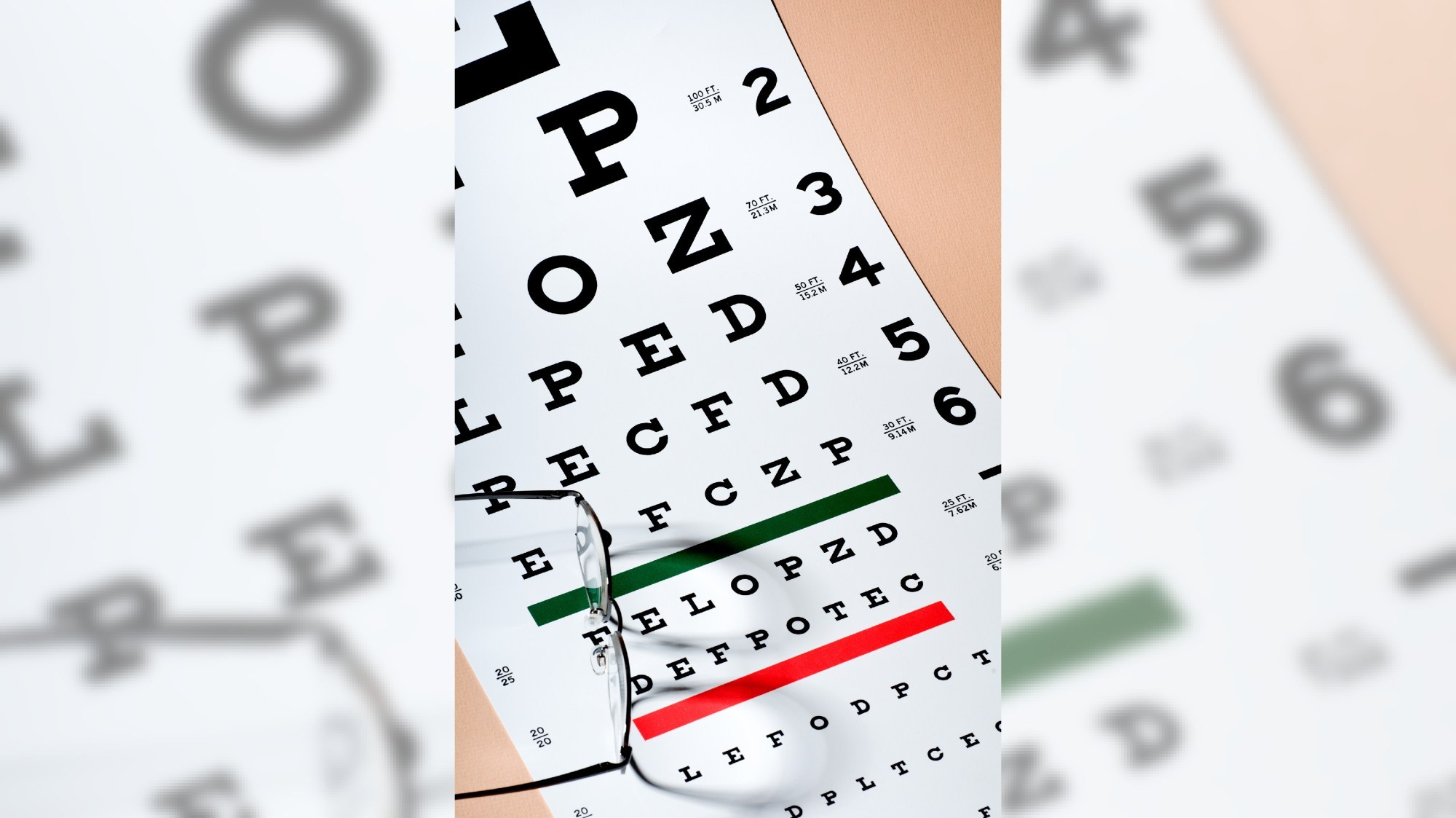
Stanford scientists have developed a tiny implant called PRIMA that restores sight to people with age-related blindness. Times Tribune reports that the device, placed behind the eye, converts images into electrical signals that replace damaged photoreceptors. Combined with special glasses, the implant can zoom in and boost contrast. In a trial of 38 people with severely degraded vision, 27 showed measurable improvement within 12 months.
The breakthrough is powered by light itself. The PRIMA chip uses ambient light energy to function, meaning no battery or external power source is needed. New England Journal of Medicine published the results in October 2025, marking a major milestone in treating vision loss.
How the Implant Works Inside the Eye
PRIMA sits behind the retina, the light-sensitive tissue at the back of the eye. When light enters the eye, the chip captures it and converts the images into electrical pulses. These pulses stimulate remaining nerve cells, allowing the brain to interpret visual signals. Greeley Tribune explains that this approach effectively replaces the photoreceptors that die off during age-related macular degeneration.
The implant works without surgery to connect wires or implant batteries inside the body. Its small size and wireless power design make it safer than earlier attempts. Patients wear glasses that optimize the light reaching the chip, enhancing what they can see.
Trial Results Show Strong Vision Recovery
In the first human trial, 38 people with vision worse than 20/320 received the implant. After 12 months, 32 participants could be assessed. Of those, 27 showed measurable vision improvement. News Herald reports that patients regained the ability to read, recognize faces, and navigate independently. Some experienced functional vision where none existed before.
The results represent a significant victory for people losing sight to age-related macular degeneration, the leading cause of vision loss in older adults. Daily Breeze notes that the implant brings hope to millions worldwide who face this condition.
Digital Enhancements Give Eyes Superpowers
The special glasses paired with PRIMA offer abilities natural eyes cannot. Users can zoom in on distant objects, increase contrast to see better in dim light, and adjust brightness. Daily Camera explains that these digital features adapt to each person's needs and lighting conditions. The glasses essentially become a personal vision assistant.
This marks a shift from simply restoring lost vision to actually improving on natural sight. Patients can customize their visual experience through the glasses' software, making everyday tasks easier and safer.
Next Steps Toward Wider Availability
The October 2025 publication in the New England Journal of Medicine opens the door to larger trials and potential FDA approval. McCall, Press Telegram, and San Bernardino Sun all report that Stanford is preparing to expand testing to more patients. Researchers aim to refine the implant and improve long-term outcomes before broader clinical use.
The technology could eventually help millions of aging adults keep their independence and quality of life. Journal Advocate notes that this breakthrough represents decades of research finally reaching patients in need.
Sentiment
NeutralNEGATIVENEUTRALPOSITIVE
Publishers
11
Articles
10
Reach
11
A
AnonymousAuthor


