South Asia Flood Alerts
Heavy rains trigger severe flood threats and river breaches across eastern India and South Asia.
Anonymous
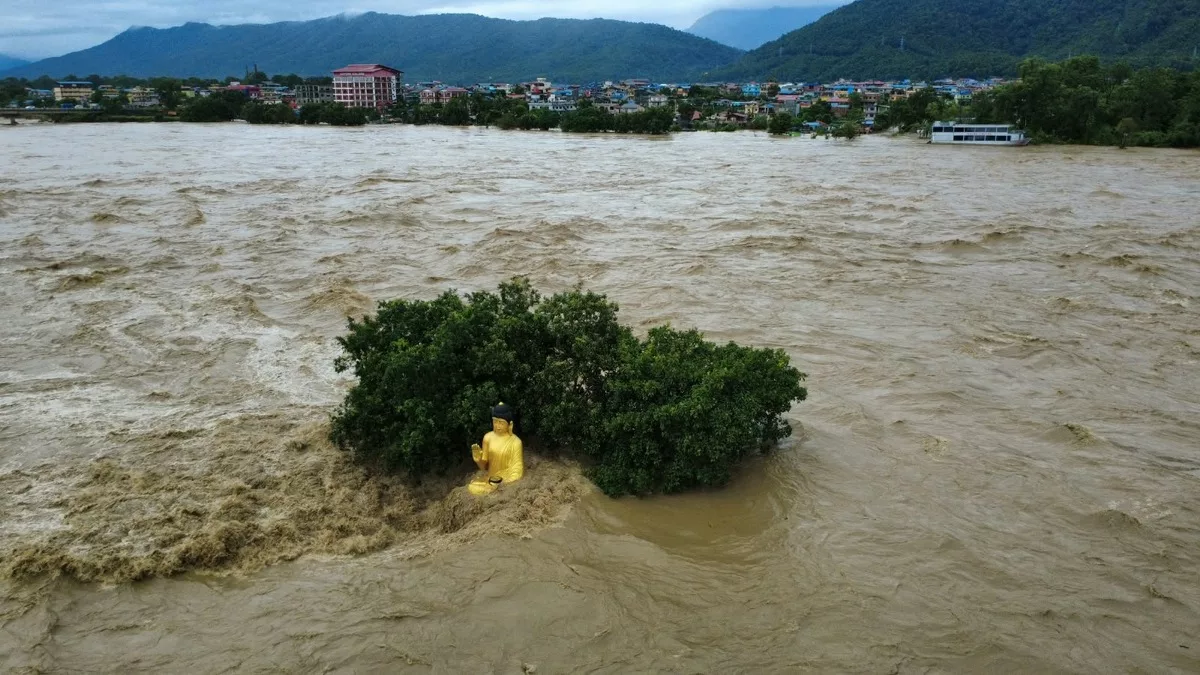
Heavy rain across parts of South Asia has raised river levels and heightened flood risks, with communities and authorities on alert. In Bangladesh’s Lalmonirhat district, the Teesta approached its danger mark, with forecasts warning of possible temporary flooding in nearby low-lying areas. In Odisha, the Baitarani rose above the danger mark and a breach reopened along the Kani River in Jajpur, prompting rescue operations and relief preparations; the Rushikulya in Ganjam also neared its danger mark. Rain and dam releases in Jharkhand brought several rivers close to danger levels, flooded homes and fields, and disrupted roads and local travel. In Nepal and adjoining areas, rising Gandak flows and heavy Kosi Barrage releases prompted red alerts and warnings to residents near rivers.
Key Points
1
In Odisha’s Jajpur district, the reopened Kani River breach was about 60 feet wide. Officials said two panchayats had been affected, while a local fire official reported that flooding had affected 20 of the block’s 35 panchayats and that two rescue teams were operating.
2
In Jharkhand’s Kolhan region, three kutcha houses collapsed in Rangring village and more than 50 houses were submerged in Chakradharpur block; flooding also put agricultural fields in more than 30 villages under water.
3
Authorities opened 31 gates at the Kosi Barrage as discharge reached 2.40 lakh cusecs, triggering a red alert. Traffic over the Kosi bridge was still allowed, but officials were prepared to restrict it if inflows rose further.
4
In Lalmonirhat, the Teesta was measured at 52.11 metres at the Dalia point—four centimetres below its 52.15-metre danger mark. A local resident said late-September floods have historically caused severe hardship for riverbank communities.
Sentiment
Mostly NegativeNEGATIVENEUTRALPOSITIVE
Publishers
18
Articles
10
Reach
28
A
AnonymousAuthor


