Cyprus IVF Donor Deception
BBC investigation reveals dozens of IVF parents misled about donors in northern Cyprus
Key Points
In northern Cyprus, EU laws do not apply and the territory is only legally recognised by Turkey, leading to looser regulation of IVF clinics and less robust oversight of donor provenance.
Cryos International has blacklisted the Doğuş IVF Centre since 2016, highlighting long-standing concerns about the provenance of donors used at the clinic.
A concrete example from the BBC reporting: a mother, identified as Rachel, learned the clinic had used a different donor than the Danish Cryos donor she had chosen (nicknamed 'Ditto'), in a treatment reportedly costing about €4,000.
The Ministry of Health in the north says it has launched an official investigation into the allegations, though BBC reporting notes it has not received responses to repeated inquiries.
At least 30 children — most of them British — may have been conceived through IVF using the wrong sperm or egg donors, according to a BBC investigation into clinics in northern Cyprus. BBC found that parents carefully chose anonymous donors based on medical history, appearance, and personality, only to discover a different donor was used.
Half of the cases involve a single clinic: the Doğuş IVF Centre. Eleven children who took DNA tests showed genetic links to Turkey or nearby regions — not the European donors their parents had selected, Yahoo News reported.
How Parents Were Allegedly Misled at Doğuş Clinic
Parents say they picked anonymous donors from detailed profiles listing education, interests, and health history. One mother, identified as Rachel, chose a Danish donor from Cryos International — a sperm bank she nicknamed 'Ditto.' The treatment cost her around €4,000. She later learned the clinic used a completely different donor, BBC reported.
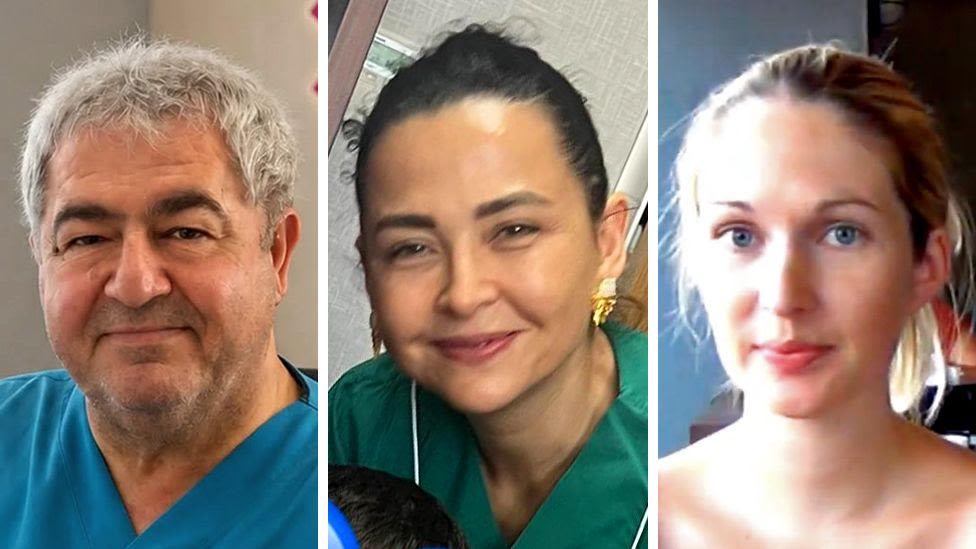
Three Doğuş staff members are named in the BBC investigation as potentially having misled families: Dr. Firdevs Uguz Tip, Dr. Sevket Alpturk, and patient coordinator Julie Hodson. All three are connected to many of the affected patients. Medical representatives for the staff deny any wrongdoing, according to Yahoo News.
Northern Cyprus Operates in a Regulatory Grey Zone
Northern Cyprus is only legally recognised by Turkey. That means EU laws — including strict rules on IVF donor transparency — do not apply there. Oversight of clinics is weak, and patients have little legal recourse if something goes wrong, IBTimes noted.
This loose regulatory environment has made northern Cyprus a popular destination for cheaper fertility treatment. But it also means clinics face far less scrutiny than those in the UK or Europe. The BBC's investigation suggests that gap in oversight may have allowed these alleged practices to continue for years.
World's Largest Sperm Bank Blacklisted Doğuş in 2016
Cryos International — the world's largest sperm bank — blacklisted the Doğuş IVF Centre in 2016. That was nearly a decade ago. The blacklisting suggests concerns about donor provenance at the clinic go back years, well before the current BBC investigation, Daily Mail reported.
Despite that, parents continued to travel to Doğuş for treatment, apparently unaware of Cryos's decision. The blacklisting raises urgent questions about how clinics source donors when major international suppliers cut them off — and what they tell patients in the meantime.
Authorities Launch Probe But Families Wait for Answers
The Ministry of Health in northern Cyprus says it has opened an official investigation into the allegations. But BBC noted it did not receive responses to repeated inquiries sent to health authorities. Families are left in legal limbo, with little clarity on how — or whether — they will get answers.
The case is now raising wider questions about consent, donor transparency, and governance of fertility clinics in unrecognised territories. For the children involved, the implications are profound — they may never know the true identity of their biological donor, Yahoo News reported.
Sentiment
Mostly NegativePublishers
14
Articles
14
Reach
28


